
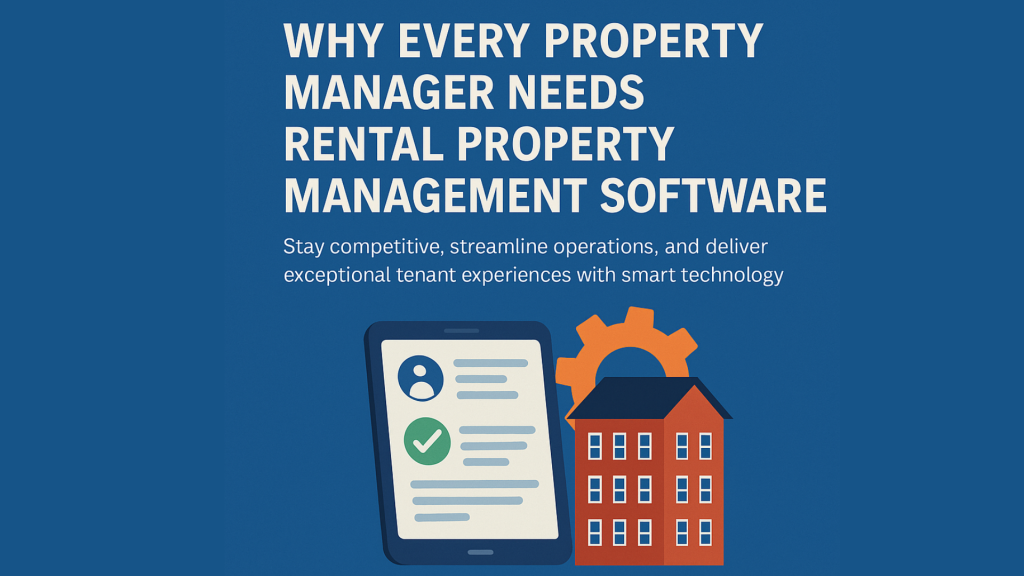
Ultimate Guide to Rental Management System
Managing rental properties can be complex, involving tenant communications, rent collection, lease tracking, and maintenance requests. A rental management system simplifies these processes by centralizing all tasks in one digital platform. This guide explores everything you need to know about rental management systems, their benefits, features, and how they help landlords, property managers, and tenants.

What is a Rental Management System?
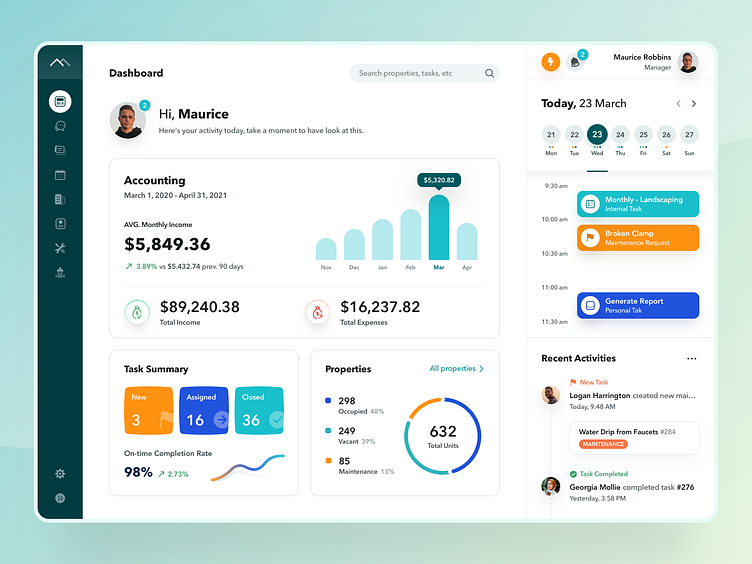
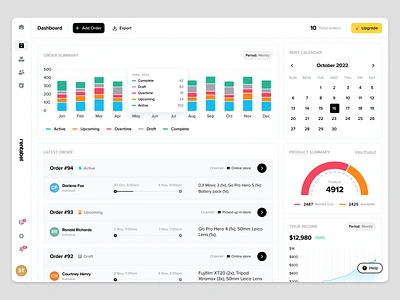
A rental management system is a software platform designed to streamline the management of rental properties. It enables property managers and landlords to automate key operations like:
-
Tracking rental income
-
Managing tenants and leases
-
Scheduling maintenance requests
-
Sending automated notifications for payments or renewals
By using a rental management system, property managers can reduce manual work, improve accuracy, and enhance tenant satisfaction.
Key Features of a Rental Management System
When choosing a rental management system, look for features that save time and improve efficiency:
-
Tenant Database Management
Centralized storage of tenant information, lease agreements, and payment history. -
Automated Rent Collection
Online payment processing, automatic reminders, and reconciliation of accounts. -
Lease Tracking and Management
Monitoring lease expiration, renewals, and rental contract compliance. -
Maintenance and Work Order Management
Tenants can submit requests, and property managers can track progress and costs. -
Financial Reporting
Generate detailed reports on rental income, expenses, and overall property performance. -
Communication Tools
Direct messaging and notifications between tenants and property managers. -
Mobile Accessibility
Access the system anytime, anywhere, via smartphone or tablet.
Benefits of Using a Rental Management System
A well-implemented rental management system can transform property management by providing:
-
Efficiency and Automation: Reduce manual tasks and errors.
-
Transparency: Tenants have access to their payment history and lease information.
-
Time Savings: Automate recurring tasks like rent reminders and lease renewals.
-
Improved Tenant Experience: Quick response to maintenance requests and easy payment options.
-
Data-Driven Decisions: Financial and operational analytics help optimize property management.


How to Choose the Right Rental Management System
Selecting the best rental management system requires evaluating your property management needs. Consider the following:
-
Number of Properties: Ensure the system can handle your portfolio size.
-
Integration Options: Compatibility with accounting, CRM, or payment platforms.
-
Ease of Use: User-friendly interface for both property managers and tenants.
-
Security: Strong encryption and data protection features.
-
Scalability: Ability to grow with your property management business.
Top Tips for Implementing a Rental Management System
-
Train Your Team: Make sure your staff and tenants understand the system.
-
Start with Core Features: Begin with rent collection and tenant management, then expand.
-
Regularly Backup Data: Protect critical property and tenant information.
-
Monitor Performance: Use reports to track efficiency and ROI.
Conclusion
A rental management system is an essential tool for modern landlords and property managers. By automating core operations, improving tenant communication, and providing actionable insights, these systems enhance both efficiency and profitability. Whether managing a single property or an extensive portfolio, investing in the right rental management system ensures smooth operations, happy tenants, and optimized revenue.
