


📌 What Is a Property Management System (PMS)?
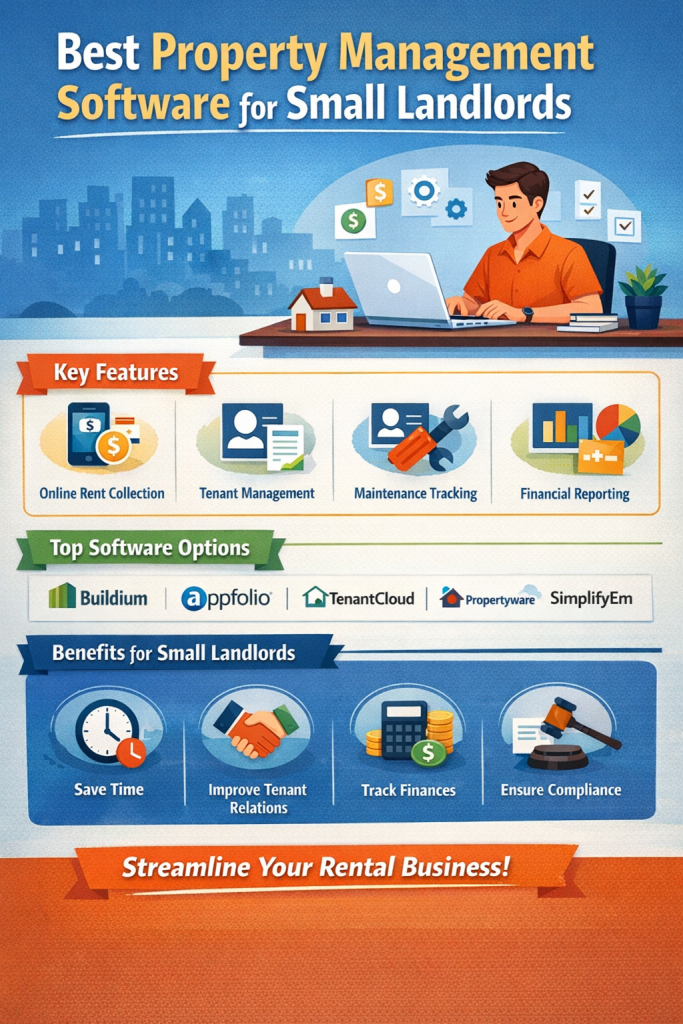
A Property Management System (PMS) is software designed to streamline and automate the operations of property owners, managers, and real estate professionals. In today’s fast‑paced digital world, a PMS is essential for managing bookings, tenants, finances, maintenance, communications, and reporting — all from one centralized platform.
A modern property management system goes beyond basic organization. It integrates technology, analytics, and automation to help property businesses scale, increase profitability, improve tenant experiences, and eliminate repetitive manual tasks.
🔑 Core Functions of a Property Management System
A powerful property management system typically includes the following features:
🏢 1. Tenant & Lease Tracking
This function stores tenant details, lease terms, renewals, and compliance documents. It eliminates spreadsheets and ensures every contract detail is tracked and reported accurately.
💰 2. Financial Management
The PMS handles:
-
Rent billing and collections
-
Expense tracking
-
Automated invoicing
-
Financial reports and dashboards
This improves cash flow visibility and reduces human error.
🛠 3. Maintenance & Work Orders
Property managers can log maintenance issues directly, assign tasks to vendors, and track completions — all in real time. This leads to faster turnaround and higher tenant satisfaction.
📆 4. Booking & Reservation Management
For hotels, serviced apartments, or vacation rentals, a PMS serves as the central hub for managing room availability, pricing, and reservations.
📣 5. Communication Tools
Built‑in messaging helps property managers communicate with tenants and vendors via email or SMS — reducing confusion and lost messages.
📊 6. Reporting & Analytics
Accurate dashboards and custom reports give actionable insights into performance metrics like occupancy, revenue, expenses, ROI, and market trends.
🌐 Why Your Business Needs a Property Management System
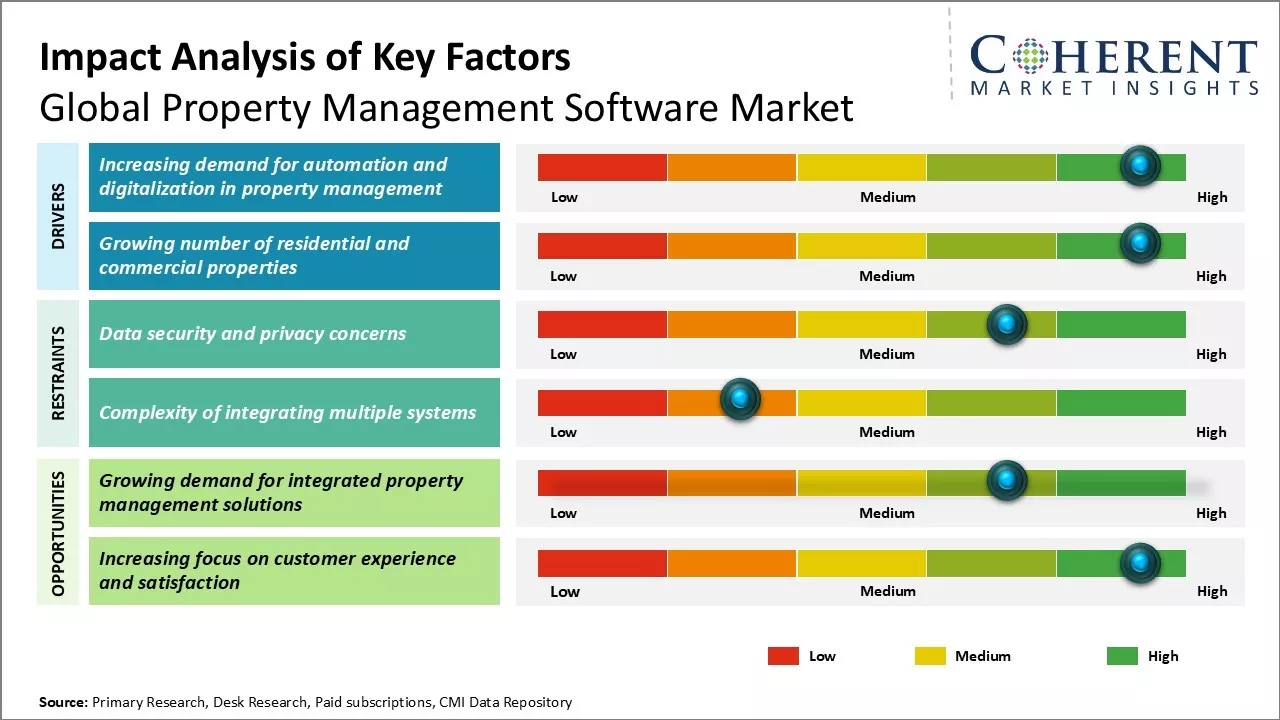
A PMS isn’t just “nice to have” — it’s essential. Here’s why:
🚀 1. Boost Operational Efficiency
Manual property management systems (like spreadsheets and paper files) are prone to mistakes. A PMS automates repetitive tasks, freeing property managers to focus on strategy.
📈 2. Enhanced Revenue Optimization
With automated pricing tools and accurate reporting, property managers can:
-
Maximize rental income
-
Adjust pricing in real time
-
Forecast profitability
🧠 3. Better Decision‑Making with Real‑Time Data
Data is power. A PMS gives you instant access to the health of your property business, so decisions are well‑informed and proactive.
💼 4. Streamlined Compliance and Recordkeeping
A PMS stores all important documents — leases, licenses, tax records — in one secure digital repository. This reduces legal risk and improves audit readiness.
🤝 5. Elevated Tenant Experiences
Tenants today expect convenient online access for rent payments, maintenance requests, and communication. A PMS delivers exactly that.
📦 Types of Property Management Systems
Different property types require specialized systems. Choosing the right PMS depends on your business needs.
🏨 1. Hospitality PMS
Used by hotels, resorts, and serviced apartments to manage reservations, room rates, housekeeping, and OTA integrations.
🏠 2. Residential PMS
Designed for apartments, condos, and multifamily buildings. Focuses on tenant communication, lease renewals, rent collection, and maintenance schedules.
🌴 3. Vacation Rental PMS
Popular with Airbnb and VRBO hosts, this system handles:
-
Dynamic pricing
-
Calendar syncing
-
Channel integrations
-
Guest communications
🏢 4. Commercial PMS
Used for office spaces, retail, and industrial properties. Emphasizes lease administration, space utilization, and complex billing.

🧠 Key Features to Look For
When selecting a property management system, prioritize these features:
🔄 1. Cloud‑Based Accessibility
Cloud PMS solutions allow remote access, automatic backups, and real‑time syncing across devices — ideal for teams that work on the go.
🛰 2. Mobile App Integration
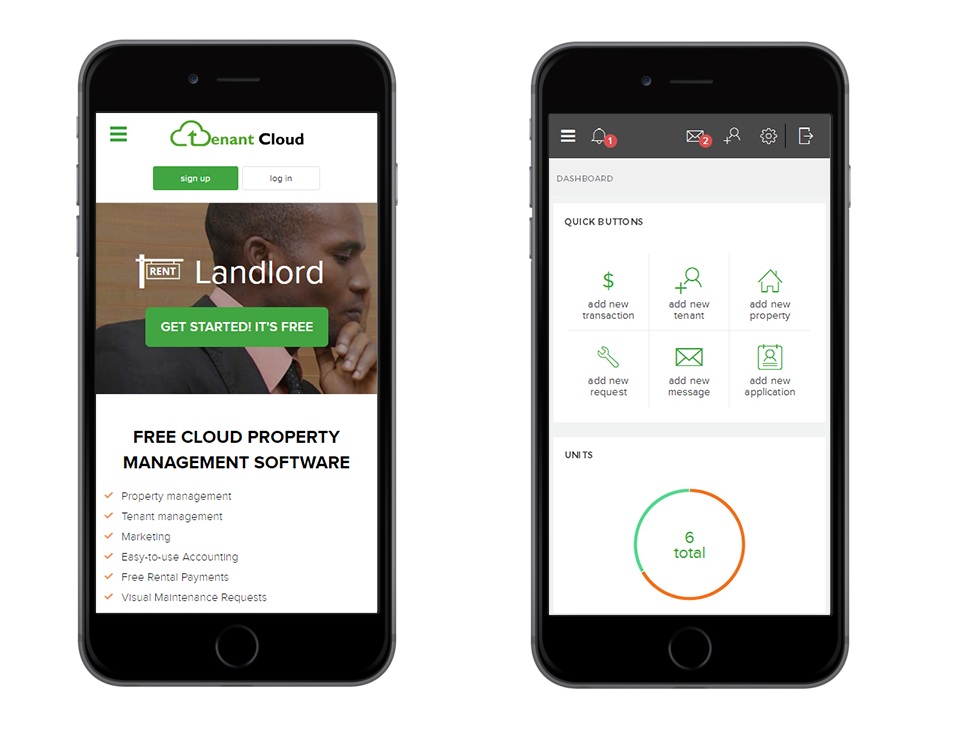
Mobile apps make it easier to handle maintenance requests, check reports, and communicate with tenants from anywhere.
🔁 3. Channel Manager Integration
For hospitality and vacation rentals, seamless integration with booking platforms like Airbnb, Booking.com, and Expedia is crucial.
🧾 4. Automated Billing & Payments
A PMS with integrated payment processing reduces late payments and simplifies accounting workflows.
🔒 5. Security and User Permissions
Top systems let administrators set permission levels so team members only access what they need.
🤖 6. AI & Automation Tools
Emerging PMS platforms offer AI‑driven pricing, chatbot support, and automated workflows for repetitive tasks.
💹 How a Property Management System Improves Profitability
Here are specific ways a PMS can boost your bottom line:
✔️ Minimize Vacancy Rates
Smart forecasting and analytics help property managers set competitive prices and fill vacancies faster.
✔️ Reduce Administrative Costs
Automation means fewer administrative hours and reduced dependency on large staff teams.
✔️ Improve Tenant Retention
Better communication and faster maintenance responses lead to satisfied tenants who stay longer — reducing turnover costs.
✔️ Data‑Driven Growth Strategies
Long‑term reports empower leaders to plan expansions, capture market trends, and allocate resources efficiently.
🧩 Best Practices for Implementing Your PMS
Getting the most out of your property management system requires thoughtful planning:
📌 1. Clean Existing Data Before Migration
Before importing tenant records, leases, and financials, ensure data is accurate and organized.
📌 2. Train Your Team
Conduct comprehensive training sessions so staff can fully use PMS features.
📌 3. Utilize Support Resources
Choose a system with strong vendor support — onboarding assistance, tutorials, and responsive help desks make implementation smoother.
📌 4. Regularly Review KPIs
Use your PMS reports to track key performance indicators — occupancy, revenue per property, maintenance response times, etc.
📈 Case Studies: Real Results with PMS
📍 Example 1: Residential Portfolio Growth
A property management firm with 500+ units adopted a cloud PMS and observed:
-
30% faster rent collections
-
50% reduction in manual paperwork
-
Enhanced tenant satisfaction
📍 Example 2: Vacation Rental Optimization
A VRBO/Airbnb property manager used a dynamic pricing engine within their PMS and achieved:
-
28% revenue increase during peak seasons
-
Fewer booking conflicts
-
Automated channel syncing
🧮 Cost & ROI of a Property Management System
💲 Pricing Models
PMS platforms usually charge:
-
Monthly subscription fees
-
Per‑unit or per‑property pricing
-
Add‑on fees for integrations (payments, channel managers, AI tools)
📍 Return on Investment
Even at $50–$200 per month, a PMS can deliver ROI through:
-
Reduced labor costs
-
Higher occupancy
-
Fewer errors and overdue payments
-
Better financial planning
🧑💼 Who Should Use a Property Management System?
A PMS is valuable for:
-
Property managers
-
Real estate investors
-
Hospitality operators
-
Vacation rental hosts
-
Commercial property firms
Whether managing 5 units or 500+ rooms, a PMS scales with your business.
📊 Future Trends in Property Management Systems
🚀 1. More AI‑Driven Workflows
From automated tenant screening to dynamic pricing and maintenance predictions, AI is transforming property tech.
🌐 2. Greater Integration with IoT
Smart building systems will connect with PMS platforms for remote energy management, occupancy sensors, and security systems.
🧠 3. Predictive Analytics
Advanced analytics will help predict market demand, tenant behavior, and maintenance cycles — increasing performance accuracy.
📝 Final Thoughts: Why Invest in a Property Management System Today
In a competitive property market, efficiency, accuracy, and data insight aren’t luxuries — they’re necessities. A property management system helps property owners and managers:
✔ Eliminate manual processes
✔ Improve financial outcomes
✔ Deliver exceptional tenant experiences
✔ Scale operations with confidence
If you’re serious about growing your property business and staying ahead of the competition, investing in a PMS is one of the smartest decisions you can make.
📌 Suggested Images To Add With This Content
You can use the following types of visual content to support SEO and user engagement:
-
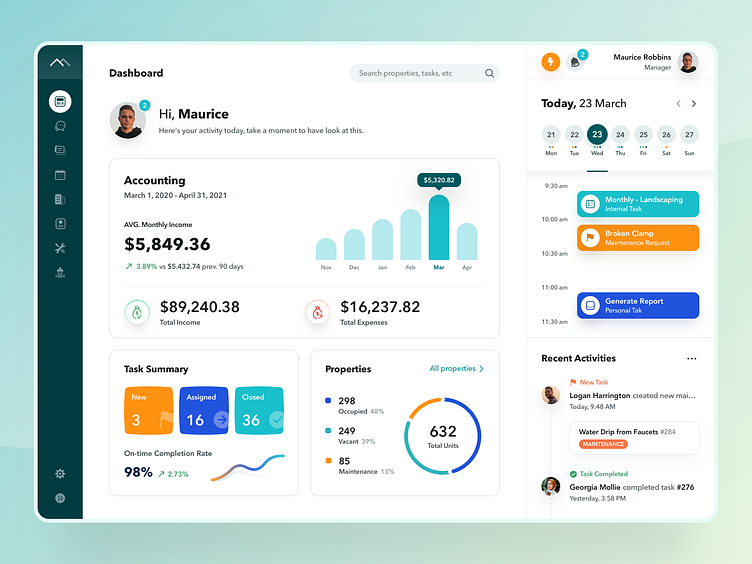
Screenshots of the PMS dashboard: highlight features like bookings, tenant profiles, and financial reports.
-
Mobile app interface images: show how users access the PMS on the go.
-
Team collaboration visuals: teams interacting with a property management system.
-
Infographics: workflow diagrams showing automation from tenant request to resolution.
-
Before & after comparisons: manual vs automated property management.
