
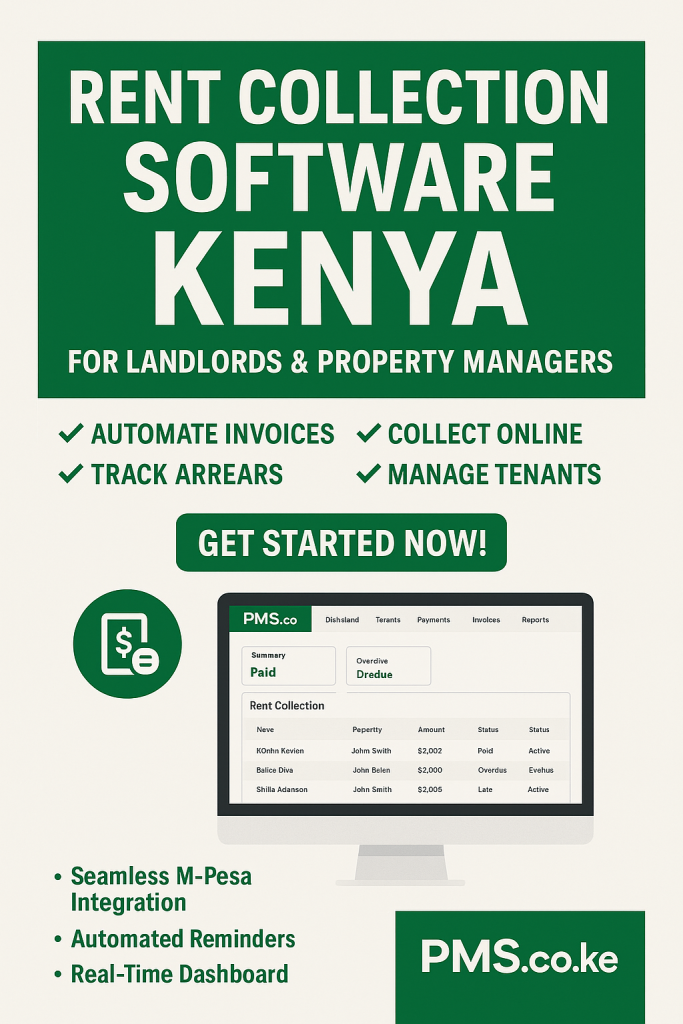

Tenant Management System: Revolutionizing Property Management
Managing rental properties can be overwhelming, especially when juggling multiple tenants, rent payments, maintenance requests, and lease agreements. Traditional methods—manual spreadsheets, paper records, and ad-hoc communication—are no longer sufficient. This is where a tenant management system becomes invaluable. By automating and streamlining operations, landlords, property managers, and real estate professionals can save time, reduce errors, and enhance tenant satisfaction.
What Is a Tenant Management System?
A tenant management system (TMS) is software designed to simplify and automate the administrative and operational aspects of managing rental properties. It provides a centralized platform where landlords can handle:
-
Tenant onboarding and records
-
Lease management
-
Rent collection and payment tracking
-
Maintenance requests
-
Communication with tenants
-
Reporting and analytics
By digitizing these processes, a TMS reduces paperwork, minimizes errors, and provides real-time insights into property performance.
Key Features of a Tenant Management System
When choosing a tenant management system, it’s crucial to understand the core features that can transform your property management process. Some of the most important features include:
1. Centralized Tenant Database
A robust tenant management system stores all tenant information in one secure location. This includes personal details, lease agreements, payment history, and contact information. Centralization makes it easy to access records anytime, which improves efficiency and compliance.
2. Automated Rent Collection
Automating rent collection ensures timely payments and reduces the risk of missed or late payments. Tenants can pay online via multiple channels such as mobile money, bank transfers, or credit cards. Automated reminders help keep tenants informed, reducing follow-up calls.
3. Lease Tracking and Management
Managing leases manually can lead to missed deadlines, expired contracts, and disputes. A tenant management system automatically tracks lease durations, renewal dates, and legal compliance, helping landlords stay on top of lease obligations.
4. Maintenance Management
Handling maintenance requests efficiently improves tenant satisfaction. A TMS allows tenants to submit requests online, while property managers can assign, track, and resolve tasks promptly. This ensures a smooth process for both tenants and landlords.
5. Tenant Communication Platform
Clear and consistent communication is key to maintaining positive tenant relationships. A tenant management system provides a platform for sending announcements, payment reminders, or emergency notifications, eliminating miscommunication.
6. Reporting and Analytics
A modern tenant management system provides detailed reports on rent collection, occupancy rates, tenant demographics, and financial performance. These insights help landlords make data-driven decisions to optimize property operations.
Benefits of Using a Tenant Management System
Investing in a tenant management system offers numerous benefits for landlords and property managers:
1. Time Savings
By automating repetitive tasks like rent reminders, invoice generation, and lease tracking, landlords can focus on strategic decisions rather than administrative chores.
2. Improved Accuracy
Manual record-keeping often leads to errors. A tenant management system reduces mistakes in rent calculations, lease dates, and tenant information.
3. Enhanced Tenant Satisfaction
Quick response times to maintenance requests, clear communication channels, and easy payment options enhance the tenant experience, leading to longer tenancies and fewer disputes.
4. Legal Compliance
Many TMS platforms include compliance features to ensure leases, payments, and notices meet local laws and regulations, reducing legal risks for landlords.
5. Financial Transparency
With detailed financial reports and analytics, landlords gain a clear picture of property performance, helping optimize revenue streams and reduce losses.
Choosing the Right Tenant Management System
Selecting the right tenant management system is crucial for maximizing efficiency. Consider the following factors:
1. Ease of Use
A user-friendly interface ensures that landlords, property managers, and tenants can navigate the system without extensive training.
2. Integration Capabilities
The system should integrate with accounting software, payment gateways, and communication tools to create a seamless property management ecosystem.
3. Cloud-Based Access
Cloud-based TMS platforms provide access from anywhere, enabling property managers to oversee operations remotely and in real time.
4. Security and Privacy
Since tenant data is sensitive, a secure system with encryption, access controls, and regular backups is essential.
5. Scalability
Choose a system that can grow with your property portfolio. Whether managing a single unit or multiple properties, the software should adapt to changing needs.
How a Tenant Management System Improves Rent Collection
Late or missed rent payments are one of the biggest challenges for landlords. A tenant management system simplifies rent collection by:
-
Sending automated payment reminders
-
Providing online payment options
-
Tracking payment history and generating invoices
-
Sending late notices and generating reports for follow-up
These features help maintain steady cash flow and reduce financial stress for landlords.
Enhancing Tenant Engagement Through Technology
Modern tenants expect digital convenience. A tenant management system enhances tenant engagement by:
-
Offering online portals for rent payment and maintenance requests
-
Sending timely notifications and updates
-
Allowing easy communication with property managers
-
Providing mobile apps for accessibility on the go
Engaged tenants are more likely to renew leases, respect property rules, and maintain good relationships with landlords.
The Role of Reporting and Analytics in Property Management
Data-driven decision-making is essential for successful property management. A tenant management system provides:
-
Financial reports: Track rent collection, expenses, and profitability
-
Occupancy reports: Monitor vacancies and lease durations
-
Tenant reports: Understand tenant behavior and demographics
-
Maintenance reports: Evaluate response times and recurring issues
These analytics help landlords identify trends, forecast revenue, and make strategic investment decisions.
Cloud vs On-Premise Tenant Management Systems
Tenant management systems are available in two main formats:
1. Cloud-Based Systems
-
Accessible from anywhere with internet connectivity
-
Automatic updates and backups
-
Lower upfront costs
2. On-Premise Systems
-
Installed on local servers
-
Greater control over data
-
Requires IT support and maintenance
Cloud-based solutions are increasingly popular due to their flexibility, scalability, and cost-effectiveness.
Case Study: Transforming Property Management with a TMS
Consider a mid-sized property management company with 200 tenants across multiple units. Before implementing a tenant management system, the company faced:
-
Delayed rent payments
-
Lost lease documents
-
Inefficient communication with tenants
-
Difficulty tracking maintenance requests
After adopting a tenant management system, the company experienced:
-
30% faster rent collection
-
50% reduction in administrative workload
-
Improved tenant satisfaction scores
-
Streamlined maintenance tracking
This demonstrates how a TMS can revolutionize property management, saving time, reducing costs, and enhancing tenant relationships.
Future of Tenant Management Systems
The future of tenant management systems is bright, with emerging technologies such as:
-
AI-powered analytics: Predictive insights on tenant behavior, rent defaults, and property performance
-
IoT integration: Smart devices for energy monitoring, security, and maintenance alerts
-
Mobile-first solutions: Fully functional mobile apps for landlords and tenants
-
Blockchain technology: Secure and transparent lease agreements and payment records
These innovations will continue to make property management more efficient, secure, and tenant-friendly.
Conclusion
A tenant management system is no longer a luxury—it’s a necessity for modern property management. By centralizing tenant data, automating rent collection, streamlining communication, and providing actionable insights, landlords and property managers can significantly improve efficiency and tenant satisfaction. Whether managing a single rental unit or an extensive property portfolio, investing in a robust tenant management system is a smart choice for long-term success.
