Residential Landlord Management Software: A Complete Guide for Managing Rental Properties

residential landlord management software

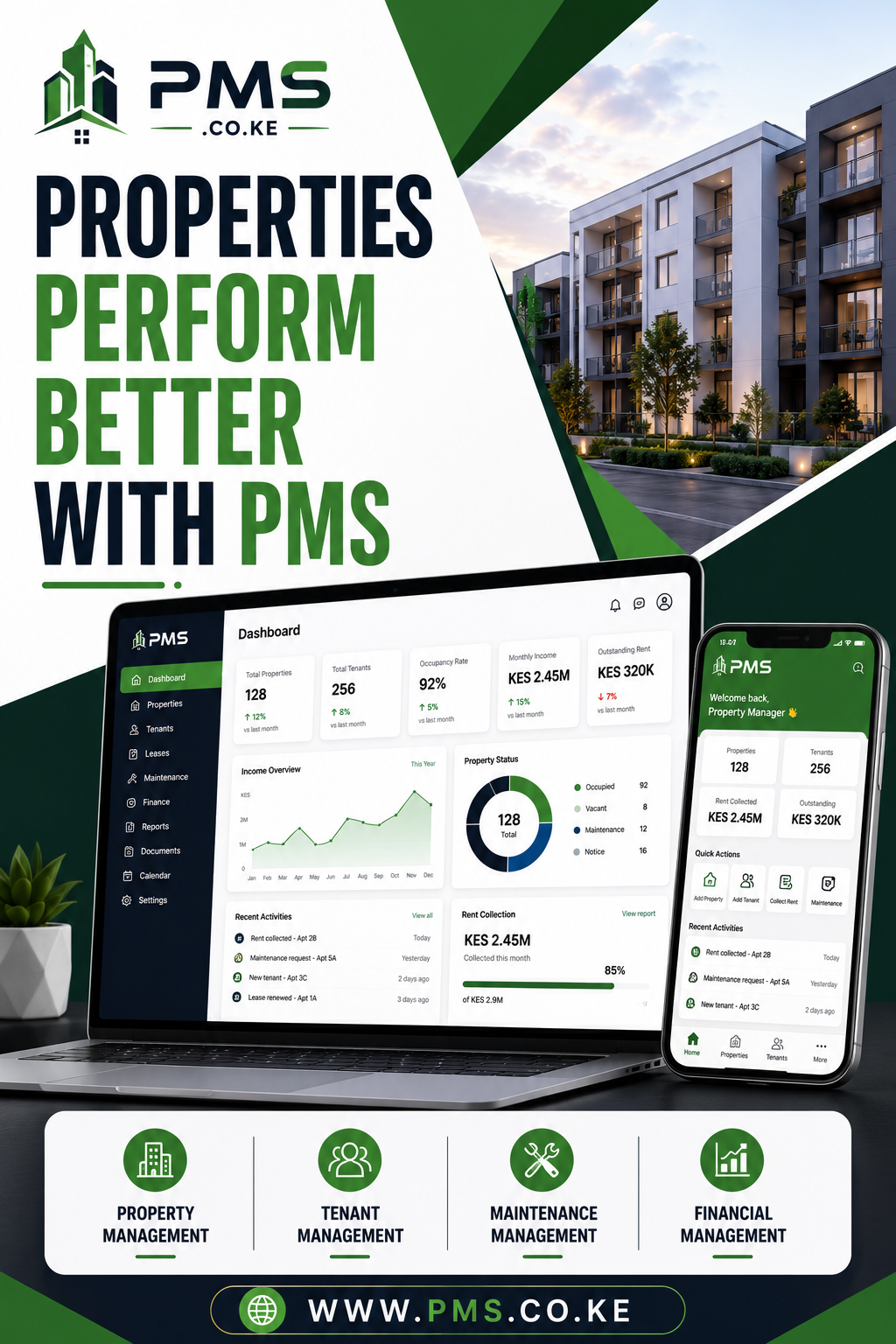
Residential Landlord Management Software helps landlords, property owners, and rental managers organize the daily operations of residential properties from a centralized platform. Instead of relying on notebooks, spreadsheets, messaging applications, and separate payment records, landlords can use Residential Landlord Management Software to manage tenants, rental units, rent payments, maintenance requests, leases, expenses, and property records more efficiently.

For landlords managing several apartments, houses, flats, or residential units, having a centralized system can reduce administrative work, improve financial visibility, and make tenant management easier. Residential Landlord Management Software can also help landlords keep accurate records and provide better services to tenants.

Table of Contents

What Is Residential Landlord Management Software?

Residential Landlord Management Software is a digital platform designed to help landlords manage residential rental properties and their associated administrative activities.

Depending on the platform, landlords can manage:

  • Rental properties
  • Individual units
  • Tenant records
  • Lease agreements
  • Rent payments
  • Outstanding balances
  • Maintenance requests
  • Property expenses
  • Income records
  • Tenant communication
  • Reports
  • Documents

Instead of managing information across different files, the landlord can access important property information from one centralized system.

Why Landlords Need Residential Landlord Management Software

Managing rental properties manually becomes increasingly difficult as the number of units grows.

A landlord may need to keep track of:

  • Which tenants have paid rent
  • Which tenants have outstanding balances
  • When leases expire
  • Which units are vacant
  • Maintenance requests
  • Property expenses
  • Tenant contact details
  • Monthly rental income

Using separate spreadsheets and paper records can increase the risk of errors and make it difficult to retrieve information quickly.

Residential Landlord Management Software organizes these processes and provides landlords with better control over their rental operations.

Property Management

A landlord can use the software to create records for individual properties.

Property information may include:

  • Property name
  • Property location
  • Property type
  • Number of units
  • Unit numbers
  • Rental rates
  • Occupancy status
  • Property expenses

This makes it easier to manage multiple residential properties from one platform.

Rental Unit Management

Each property can contain multiple rental units.

Residential Landlord Management Software can help landlords monitor:

  • Occupied units
  • Vacant units
  • Reserved units
  • Unit rental rates
  • Current tenants
  • Lease information
  • Payment status

A clear unit management system gives landlords an overview of their property portfolio.

Tenant Management

Tenant information is an important component of rental property administration.

A landlord can maintain records containing:

  • Tenant names
  • Phone numbers
  • Email addresses
  • Identification details
  • Occupied unit
  • Lease information
  • Payment history
  • Outstanding balances
  • Communication records

Centralized tenant records make it easier to retrieve information whenever it is needed.

Rent Collection Management

Rent collection is one of the most important responsibilities of a residential landlord.

Residential Landlord Management Software can help track:

  • Monthly rent charges
  • Payments received
  • Outstanding balances
  • Payment dates
  • Partial payments
  • Payment history
  • Tenant balances

Instead of manually checking several payment records, landlords can view rental income information from a centralized dashboard.

Rent Payment Tracking

A good system should make it easy to determine whether a tenant has paid.

For each tenant, the landlord can potentially view:

  • Amount billed
  • Amount paid
  • Payment date
  • Outstanding balance
  • Previous payments
  • Payment status

This provides better financial visibility and reduces confusion around rental payments.

Automated Rent Records

Automated records can make rental administration more efficient.

When a payment is recorded, the system can update the tenant’s account and maintain a historical record.

This can help landlords avoid repeatedly updating spreadsheets or manually calculating balances.

Tenant Statements

Tenant statements provide a detailed history of financial activity.

A statement may include:

  • Previous balances
  • Rent charges
  • Payments
  • Adjustments
  • Outstanding amounts
  • Current balance

Statements can help landlords and tenants understand exactly how an account balance was calculated.

Lease Management

Lease agreements contain important information about rental arrangements.

Residential Landlord Management Software can help landlords keep track of:

  • Lease start dates
  • Lease expiry dates
  • Rental amounts
  • Security deposits
  • Tenant information
  • Renewal dates
  • Unit information

Keeping lease information organized helps landlords avoid missing important dates.

Lease Expiry Notifications

A property management platform can help landlords monitor upcoming lease expirations.

This allows landlords to prepare for:

  • Lease renewal
  • Rent adjustments
  • Tenant communication
  • Property inspections
  • Vacancy management

Early awareness of lease expiry dates can improve property planning.

Maintenance Management

Maintenance is another major part of residential property management.

Tenants may report problems involving:

  • Plumbing
  • Electricity
  • Water systems
  • Doors
  • Windows
  • Roofing
  • Appliances
  • Common areas

Residential Landlord Management Software can organize these requests and help landlords track them until completion.

Maintenance Request Tracking

A maintenance workflow may include:

  1. Tenant submits a request.
  2. Landlord reviews the issue.
  3. Maintenance personnel are assigned.
  4. Work is completed.
  5. The request is marked as resolved.

This creates a record of maintenance activities for future reference.

Property Expense Management

Landlords need to track expenses associated with maintaining rental properties.

Expenses may include:

  • Repairs
  • Utilities
  • Cleaning
  • Security
  • Landscaping
  • Property management costs
  • Maintenance materials
  • Service providers

Recording these expenses provides a clearer picture of property profitability.

Occupancy Management

Residential Landlord Management Software can help landlords monitor property occupancy.

A dashboard may show:

  • Total units
  • Occupied units
  • Vacant units
  • Available units
  • Upcoming vacancies

This allows landlords to identify vacancies quickly and begin finding new tenants.

Financial Reporting

Reporting provides landlords with insights into property performance.

Reports may include:

  • Rental income
  • Outstanding rent
  • Expenses
  • Property profitability
  • Occupancy
  • Tenant balances
  • Payment history
  • Maintenance costs

Financial reports can help landlords understand how individual properties and units are performing.

Tenant Communication

Good communication contributes to better landlord-tenant relationships.

A property management platform can help organize communications relating to:

  • Rent reminders
  • Maintenance updates
  • Notices
  • Lease renewals
  • Property announcements
  • Payment confirmations

Centralizing communication can make tenant management more organized.

Document Management

Landlords often need to store important documents.

These may include:

  • Lease agreements
  • Tenant documents
  • Property records
  • Maintenance documents
  • Receipts
  • Notices
  • Inspection reports

Digital document management makes these records easier to retrieve and organize.

Residential Landlord Management Software for Kenya

Residential Landlord Management Software is increasingly useful for landlords managing apartments, rental houses, estates, and residential units across Kenya.

Landlords operating properties in Nairobi, Mombasa, Kisumu, Nakuru, Eldoret, Thika, and other locations can use property management technology to centralize rental operations.

A suitable system can help manage:

  • Tenants
  • Units
  • Rent collection
  • Payment records
  • Maintenance
  • Expenses
  • Leases
  • Reports

For landlords with multiple properties, centralized management can significantly reduce administrative complexity.

Mobile Access

Landlords and property managers may need access to information while away from their offices.

A cloud-based Residential Landlord Management Software platform can provide access through computers, tablets, or smartphones, depending on the system.

Mobile access can be useful when landlords need to:

  • Check tenant balances.
  • Review maintenance requests.
  • Confirm payments.
  • View property information.
  • Check vacancies.

Security and Access Control

Rental management systems contain sensitive property and tenant information.

A professional platform should provide appropriate security measures such as:

  • Secure login
  • User permissions
  • Data backups
  • Access controls
  • Secure connections
  • Activity tracking

Different employees can also be given different permissions depending on their responsibilities.

Why Choose a Centralized Rental Management Platform?

A centralized system provides landlords with one location for managing their rental operations.

Instead of maintaining separate records for:

  • Tenants
  • Payments
  • Maintenance
  • Leases
  • Expenses
  • Properties

the landlord can manage these areas within one connected system.

This reduces duplication and makes it easier to obtain a complete view of property performance.

Choosing Residential Landlord Management Software

Before selecting a system, landlords should consider:

Property Management Features

Does the platform support multiple properties and rental units?

Tenant Management

Can tenant records be created and maintained easily?

Rent Management

Can the system track rent charges, payments, and outstanding balances?

Maintenance

Can tenants and property managers record and monitor maintenance requests?

Reporting

Does the platform provide useful financial and property reports?

Scalability

Can the software support additional properties and tenants as the landlord expands?

Security

Does the system protect tenant and financial information?

Ease of Use

Can landlords and staff learn the system without extensive technical training?

Conclusion

Residential Landlord Management Software provides landlords with a centralized way to manage properties, tenants, rent payments, leases, maintenance, expenses, documents, and reports. By replacing fragmented manual processes with an organized digital system, landlords can improve efficiency and gain greater visibility into their rental operations.

For landlords managing residential properties in Kenya, a suitable platform can simplify rent collection management, tenant administration, maintenance coordination, occupancy monitoring, and financial reporting. As rental portfolios grow, adopting Residential Landlord Management Software can provide the organization and control needed to manage properties more efficiently.

Benefits of Residential Landlord Management Software

Residential Landlord Management Software gives landlords a centralized platform for managing the financial, administrative, and operational responsibilities associated with rental properties. Instead of switching between spreadsheets, paper files, payment records, messaging applications, and separate maintenance records, landlords can manage important activities from one connected system.

For landlords with several apartments, rental houses, flats, or residential units, Residential Landlord Management Software can make everyday management more organized while improving visibility into property performance.

Managing Multiple Properties From One Platform

Landlords with multiple properties can face significant administrative challenges.

Each property may have different:

  • Rental units
  • Tenants
  • Rental rates
  • Lease agreements
  • Payment schedules
  • Maintenance requirements
  • Expenses

A centralized system allows landlords to manage these properties from one dashboard.

Instead of checking individual spreadsheets, a landlord can view the overall portfolio and then drill down into specific properties or units.

Managing Rental Units Efficiently

A property management platform can provide a clear picture of every rental unit.

Landlords can identify:

  • Occupied units
  • Vacant units
  • Units awaiting tenants
  • Units undergoing maintenance
  • Units with outstanding rent
  • Units with upcoming lease expirations

This makes it easier to understand the current state of a rental portfolio.

Improving Rent Collection

Rent collection is one of the most important areas of residential property management.

Residential Landlord Management Software can help landlords organize the entire rental payment process.

The system can track:

  • Expected rent
  • Payments received
  • Outstanding balances
  • Payment dates
  • Partial payments
  • Previous transactions
  • Tenant account balances

This provides a clearer financial picture and makes it easier to identify tenants who have outstanding balances.

Automated Rent Reminders

Late payments can create cash-flow problems for landlords.

A management system can support automated reminders for upcoming or overdue payments.

Depending on the platform, landlords may send reminders through:

  • SMS
  • Email
  • In-system notifications

Automated reminders reduce the need for landlords or property managers to manually contact every tenant.

Tracking Tenant Arrears

Tenant arrears need to be identified quickly so landlords can take appropriate action.

A centralized system can display outstanding balances and help management identify:

  • Tenants with overdue rent
  • Amounts outstanding
  • Previous payment history
  • Payment dates
  • Current account status

This can make rent follow-up more systematic.

Managing Security Deposits

Security deposits are an important part of many rental agreements.

A property management platform can help landlords maintain records relating to:

  • Deposit amounts
  • Deposit dates
  • Tenant information
  • Unit information
  • Deposit adjustments
  • Refund information

Maintaining organized records can reduce confusion when tenants move out.

Lease Management and Renewals

Lease management becomes increasingly important as the number of tenants grows.

Residential Landlord Management Software can help landlords track:

  • Lease start dates
  • Expiration dates
  • Renewal dates
  • Rental rates
  • Security deposits
  • Tenant information
  • Unit information

This allows landlords to prepare for lease renewals and upcoming vacancies.

Managing Vacant Units

Vacancies can affect rental income and property performance.

A centralized system can help landlords identify vacant units quickly and monitor their availability.

Landlords can use vacancy information to:

  • Plan marketing activities
  • Prepare units for new tenants
  • Schedule inspections
  • Track occupancy trends
  • Coordinate repairs

Better vacancy management can help reduce the time a property remains unoccupied.

Maintenance Management

Maintenance requests can quickly become difficult to manage when they are reported through phone calls, text messages, and informal conversations.

A Residential Landlord Management Software platform can centralize maintenance requests.

Each request can include:

  • Tenant details
  • Property
  • Unit
  • Description of the problem
  • Date reported
  • Assigned technician
  • Status
  • Completion details

This provides a structured maintenance workflow.

Maintenance Status Tracking

Maintenance requests can be assigned statuses such as:

  • New
  • Assigned
  • In progress
  • Awaiting parts
  • Completed
  • Closed

This makes it easier for property managers to determine which issues still require attention.

Managing Contractors and Service Providers

Landlords frequently work with plumbers, electricians, cleaners, security companies, technicians, and other service providers.

A property management system can help maintain records of:

  • Contractor details
  • Services provided
  • Assigned maintenance jobs
  • Job costs
  • Completion dates
  • Payment information

This creates a useful history of maintenance work performed across the property portfolio.

Property Inspection Management

Regular inspections help landlords monitor the condition of rental properties.

Inspection records can cover:

  • Unit condition
  • Plumbing
  • Electrical systems
  • Doors
  • Windows
  • Walls
  • Floors
  • Fixtures
  • Common areas

Digital inspection records can make it easier to compare property conditions over time.

Tracking Property Expenses

Rental income is only one side of property management.

Landlords also need to monitor expenses such as:

  • Repairs
  • Maintenance
  • Cleaning
  • Security
  • Utilities
  • Landscaping
  • Property improvements
  • Contractor payments

Residential Landlord Management Software can organize these expenses by property or unit.

Understanding Property Profitability

A landlord needs to understand whether a property is financially performing well.

By comparing rental income against expenses, landlords can evaluate:

  • Monthly income
  • Operating expenses
  • Maintenance costs
  • Outstanding rent
  • Net property performance

This information can support better decisions about property investment and management.

Property Financial Reports

Financial reports provide a clearer overview of rental operations.

Useful reports may include:

  • Rent collection reports
  • Tenant balance reports
  • Income reports
  • Expense reports
  • Property performance reports
  • Outstanding payment reports
  • Maintenance cost reports

These reports can also help landlords maintain better financial records.

Tenant Communication

Communication is an important part of landlord-tenant relationships.

Residential Landlord Management Software can help organize communication relating to:

  • Rent reminders
  • Payment confirmations
  • Maintenance requests
  • Maintenance updates
  • Lease renewals
  • Property notices
  • General announcements

Centralized communication records can make it easier to review previous interactions.

Tenant Self-Service

Some property management platforms allow tenants to interact with the system directly.

Depending on the platform, tenants may be able to:

  • View rent balances
  • Review payment history
  • Submit maintenance requests
  • Receive notices
  • Access documents
  • View account information

Tenant self-service reduces the administrative burden on landlords and property managers.

Managing Residential Estates

Larger residential developments can contain many units and shared facilities.

Residential Landlord Management Software can help estate managers organize:

  • Buildings
  • Blocks
  • Units
  • Tenants
  • Payments
  • Maintenance
  • Service providers
  • Expenses

This makes the platform useful not only for individual landlords but also for larger residential property portfolios.

Managing Utility Charges

Some residential properties require landlords or managers to track utility-related charges.

These may include:

  • Water
  • Electricity
  • Garbage collection
  • Security
  • Shared services
  • Other property-related charges

A centralized system can help associate applicable charges with individual tenants or units.

Tenant Records and History

Maintaining a complete tenant history helps landlords understand the lifecycle of each tenancy.

Records can include:

  • Tenant details
  • Lease information
  • Payment history
  • Maintenance requests
  • Communication
  • Notices
  • Previous balances
  • Move-in and move-out information

A complete record makes future reference easier.

Move-In and Move-Out Management

Tenant transitions should be properly documented.

A landlord can use the system to record:

Move-In

  • Tenant details
  • Unit assignment
  • Lease details
  • Deposit
  • Starting meter readings
  • Property condition

Move-Out

  • Final inspection
  • Outstanding balances
  • Final payments
  • Repairs
  • Deposit adjustments
  • Unit availability

This helps create a more organized transition process.

Residential Landlord Management Software for Kenya

The need for Residential Landlord Management Software continues to grow as property owners and managers across Kenya manage increasingly complex rental portfolios.

Landlords in Nairobi, Mombasa, Kisumu, Nakuru, Eldoret, Thika, and other towns can use centralized property management systems to organize rental operations.

The software can help manage:

  • Apartments
  • Rental houses
  • Flats
  • Residential estates
  • Multi-unit properties
  • Property portfolios

A system designed around local property management needs can help landlords improve efficiency and maintain better rental records.

Cloud-Based Property Management

Cloud-based platforms allow authorized users to access property information from different locations.

This can be useful for landlords who manage properties remotely or have property managers working from different locations.

Cloud access can make it easier to:

  • Check tenant balances
  • Review maintenance requests
  • Monitor occupancy
  • View reports
  • Access property records

It also reduces dependence on a single computer containing important property information.

Security and User Permissions

Property management systems contain sensitive information.

A professional Residential Landlord Management Software platform should use appropriate controls to protect:

  • Tenant information
  • Financial records
  • Property records
  • Payment information
  • Lease documents

User permissions can ensure that staff only access information relevant to their responsibilities.

For example, a maintenance employee may need access to maintenance requests but not detailed financial information.

Common Problems With Manual Property Management

Managing rental properties manually can lead to:

  • Missing payment records
  • Incorrect balances
  • Lost documents
  • Delayed maintenance
  • Forgotten lease expirations
  • Poor communication
  • Difficult reporting
  • Duplicate records

As the portfolio grows, these problems can become more difficult to control.

Digital property management reduces many of these administrative challenges by centralizing information.

How to Choose Residential Landlord Management Software

Before selecting a system, landlords should evaluate the following:

Property Management

Can the system manage multiple properties, buildings, and units?

Tenant Management

Can landlords maintain complete tenant records?

Rent Management

Can the platform track rent charges, payments, arrears, and balances?

Maintenance

Can maintenance requests be submitted, assigned, tracked, and closed?

Financial Management

Can landlords track income and expenses?

Reporting

Does the system provide useful property and financial reports?

Communication

Can landlords communicate with tenants through organized channels?

Scalability

Can the platform support additional units and properties as the portfolio grows?

Security

Does the platform protect financial and tenant information?

Why RentalDesk Can Help Landlords Manage Properties

For landlords searching for Residential Landlord Management Software, RentalDesk provides a centralized approach to property management.

The platform can help organize key areas such as:

  • Tenant management
  • Maintenance management
  • Financial management
  • Rental property records
  • Payment information

By connecting these areas in one platform, landlords can reduce reliance on disconnected manual records and gain greater visibility into their properties.

Future of Residential Landlord Management Software

Property management technology will continue developing as landlords adopt more digital tools.

Future systems are likely to incorporate:

Automated Communication

More tenant communication will be triggered automatically by rent schedules, maintenance events, and lease dates.

Mobile Property Management

Landlords and property managers will increasingly manage properties through smartphones and tablets.

Digital Payments

Rental payment processes will become increasingly integrated into property management platforms.

Artificial Intelligence

AI can assist with property analytics, maintenance prediction, tenant communication, and financial forecasting.

Smart Property Integration

Property management systems may increasingly connect with:

  • Smart meters
  • Access control
  • Security systems
  • IoT sensors
  • Building monitoring systems

This can provide landlords with more information about property operations.

Conclusion

Residential Landlord Management Software can transform the way landlords manage rental properties by bringing tenants, units, leases, rent collection, maintenance, expenses, communication, and reporting into one centralized platform.

For landlords managing properties in Kenya, adopting a structured digital system can reduce administrative work and provide greater visibility into rental operations. Whether managing a few rental units or a large residential portfolio, the right Residential Landlord Management Software can help improve rent collection, maintenance coordination, tenant communication, occupancy management, and overall property performance.