
Best Property Management Software for Small Landlords
Managing rental properties can be a challenging and time-consuming task, especially for small landlords who may not have a dedicated team. From tracking rent payments to handling maintenance requests and keeping accurate financial records, the responsibilities can quickly pile up. This is where the best property management software for small landlords comes in, simplifying everyday tasks and allowing property owners to focus on growing their rental portfolio.
In this guide, we will explore the top property management software options that are ideal for small landlords, highlighting features, pricing, and benefits to help you make an informed decision.
Why Small Landlords Need Property Management Software
Small landlords often juggle multiple roles—marketing their properties, screening tenants, collecting rent, handling repairs, and keeping financial records. Traditional manual methods like spreadsheets and paper files are prone to errors and inefficiencies. Property management software provides several key advantages:
-
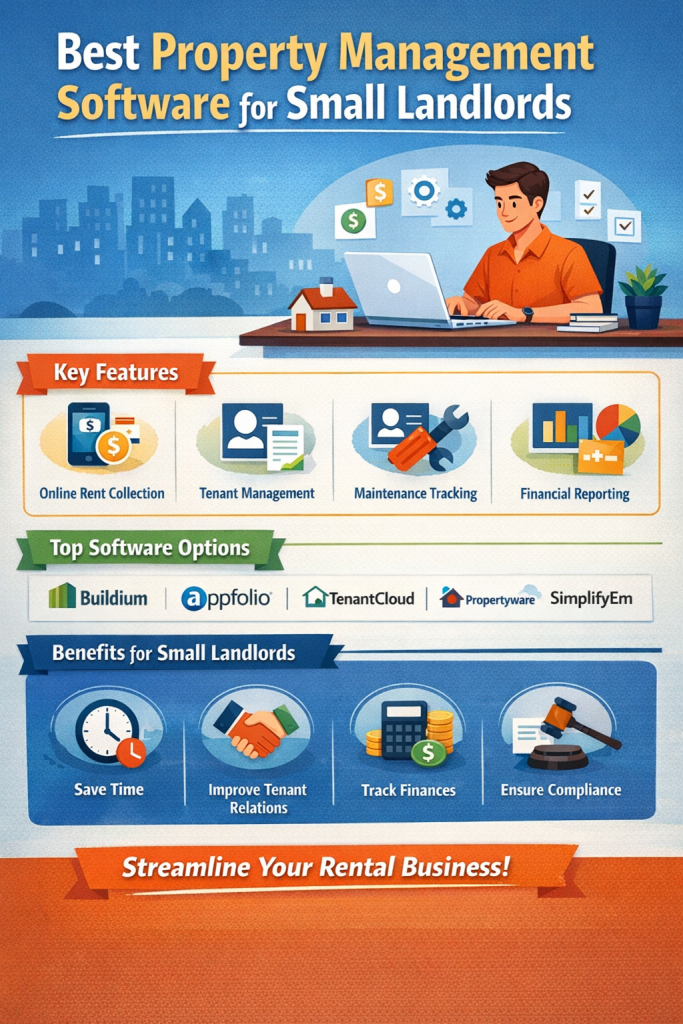
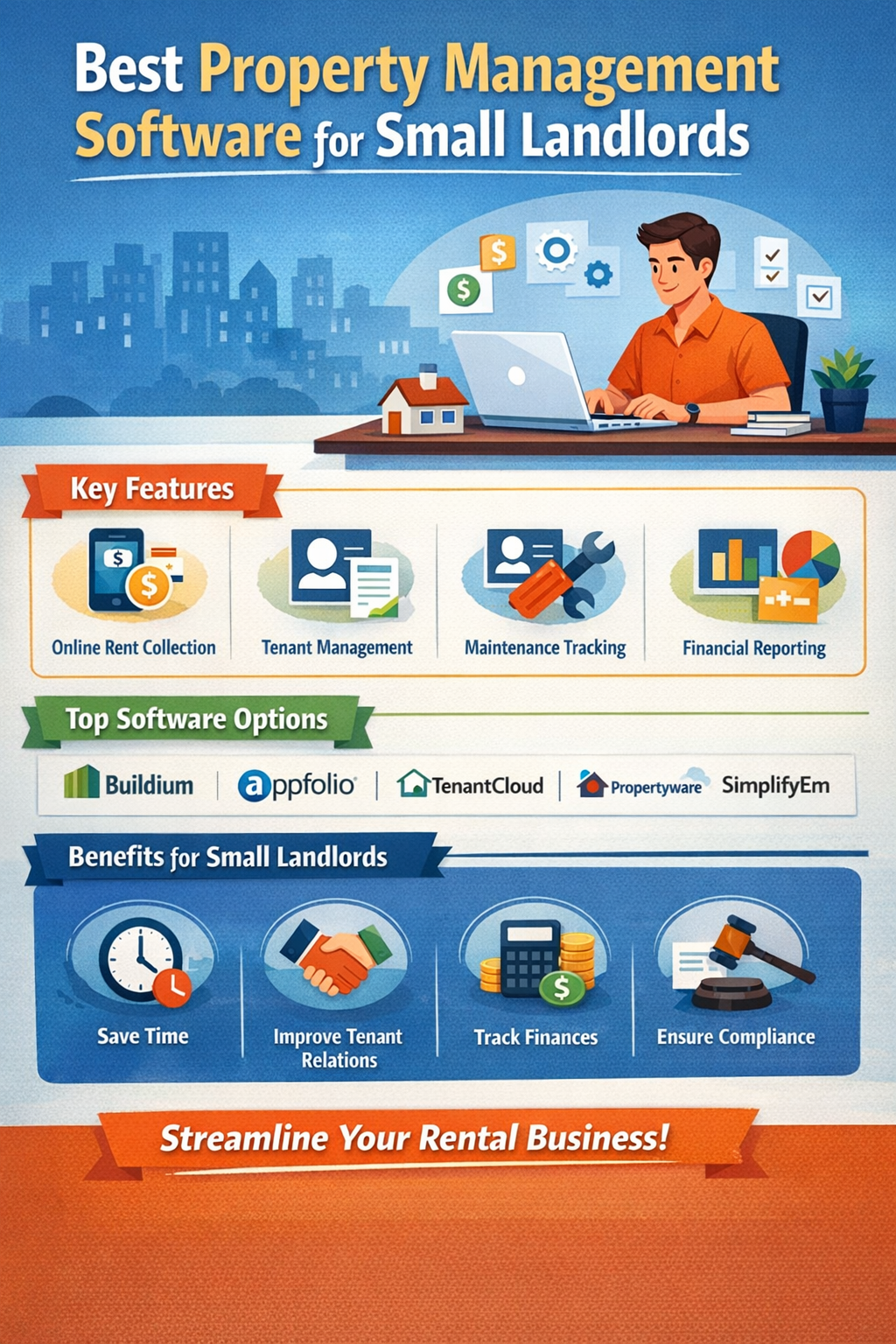
Streamlined Rent Collection – Automated invoicing, reminders, and online payment processing reduce late payments and improve cash flow.
-
Tenant Management – Keep track of tenant information, lease agreements, and communication history in one secure platform.
-
Maintenance Tracking – Quickly respond to maintenance requests and track progress, ensuring tenant satisfaction.
-
Financial Reporting – Generate comprehensive financial reports to monitor income, expenses, and profitability.
-
Legal Compliance – Stay compliant with local rental laws, automated lease templates, and document storage.
-
Time-Saving Automation – Reduce repetitive administrative tasks and free up time for strategic property growth.
By using property management software, small landlords can run their rental operations more efficiently, reduce errors, and provide a better experience for tenants.
Key Features to Look for in Property Management Software
Not all tools are created equal. When choosing software as a small landlord, focus on these critical features:
1. Ease of Use
A simple and intuitive interface is crucial for landlords who may not be tech-savvy. Look for software that requires minimal training and has user-friendly dashboards.
2. Tenant and Lease Management
The ability to store tenant information, manage leases, track renewals, and maintain a communication log helps in building strong landlord-tenant relationships.
3. Online Rent Collection
Online payment solutions reduce missed payments, provide automatic reminders, and offer multiple payment options for tenants.
4. Maintenance and Work Orders
A system to submit, track, and resolve maintenance requests ensures timely repairs and improves tenant retention.
5. Accounting and Reporting
Integrated accounting features and customizable reports allow landlords to track income, expenses, and profitability without relying on separate tools.
6. Mobile Accessibility
Mobile apps enable landlords to manage properties on the go, respond to tenant requests, and monitor finances in real-time.
7. Scalability
Even small landlords may grow over time. Choose software that can handle additional units or properties as your business expands.
Top Property Management Software for Small Landlords
Here is a curated list of the best property management software options designed specifically for small landlords:
1. Buildium
Overview: Buildium is a comprehensive property management solution that caters to landlords with small to medium portfolios.
Key Features:
-
Online rent collection and payments
-
Tenant screening and application management
-
Maintenance request tracking
-
Accounting and financial reporting
Pros: Easy-to-use interface, cloud-based access, excellent customer support
Cons: Slightly higher pricing for very small portfolios
2. AppFolio
Overview: AppFolio offers cloud-based property management software for landlords of all sizes but works particularly well for small landlords seeking automation.
Key Features:
-
Mobile-friendly platform
-
Automated rent reminders
-
Lease tracking and e-signature
-
Maintenance and vendor management
Pros: Modern interface, robust automation, and strong mobile app
Cons: Monthly fees may be higher for very small portfolios
3. TenantCloud
Overview: TenantCloud is a free-to-use property management platform with premium options, ideal for small landlords.
Key Features:
-
Free tenant management and online rent collection
-
Expense tracking and accounting
-
Maintenance request management
-
Tenant screening services
Pros: Affordable, easy to start, cloud-based
Cons: Limited features in free plan; advanced features require paid subscription
4. Propertyware
Overview: Propertyware is suitable for landlords who need strong reporting tools and customizable features for their rental business.
Key Features:
-
Accounting and financial reporting
-
Online rent collection
-
Customizable dashboards
-
Maintenance tracking
Pros: Highly customizable, strong reporting capabilities
Cons: Interface can be complex for beginners
5. SimplifyEm
Overview: SimplifyEm is designed specifically for small landlords and independent property managers, emphasizing simplicity and efficiency.
Key Features:
-
Automated rent reminders
-
Easy tenant and lease management
-
Expense tracking and financial reports
-
Maintenance request tracking
Pros: Affordable, intuitive, small-portfolio-friendly
Cons: Limited advanced features compared to larger platforms
How to Choose the Best Property Management Software for You
Selecting the right property management software depends on your specific needs. Here’s a step-by-step approach:
-
Identify Your Priorities – Are you focused on online rent collection, tenant communication, or financial reporting?
-
Evaluate Budget Constraints – Some software options charge per unit or per month. Calculate your ROI before committing.
-
Check Integration Options – Look for software that integrates with your accounting software, bank, and other tools.
-
Trial Versions – Many platforms offer free trials. Test multiple options to determine ease of use and feature relevance.
-
Customer Support – Responsive support is critical, especially for landlords managing properties independently.
Benefits of Using Property Management Software for Small Landlords
The right software transforms the way small landlords manage their rental properties. Key benefits include:
-
Time Efficiency: Automating routine tasks reduces manual work.
-
Improved Tenant Experience: Quick responses to requests and easy rent payments increase tenant satisfaction.
-
Financial Transparency: Clear reporting helps landlords make better business decisions.
-
Legal Compliance: Digital record-keeping ensures leases and transactions comply with local laws.
-
Scalable Growth: Systems grow with your rental business, allowing you to manage more properties without additional staff.
Tips for Maximizing Your Property Management Software
-
Keep Tenant Records Updated – Regularly update contact info, lease terms, and payment history.
-
Leverage Automation – Use automated reminders and recurring invoices to minimize late payments.
-
Track Maintenance Effectively – Log every repair request and monitor resolution times.
-
Use Reporting Tools – Run monthly financial reports to track income, expenses, and profitability.
-
Regularly Review Features – Software updates can introduce new tools; stay informed to get maximum value.
Conclusion
For small landlords, managing rental properties can be overwhelming without the right tools. Investing in the best property management software for small landlords not only saves time but also improves tenant satisfaction, ensures financial clarity, and supports growth.
From free solutions like TenantCloud to comprehensive platforms like Buildium and AppFolio, there is software to fit every budget and need. By carefully assessing your priorities, budget, and desired features, you can select a solution that transforms your property management business and makes running rentals a seamless experience.
