Easy Landlord Management Software: A Simple Guide for Managing Rental Properties

easy landlord management software

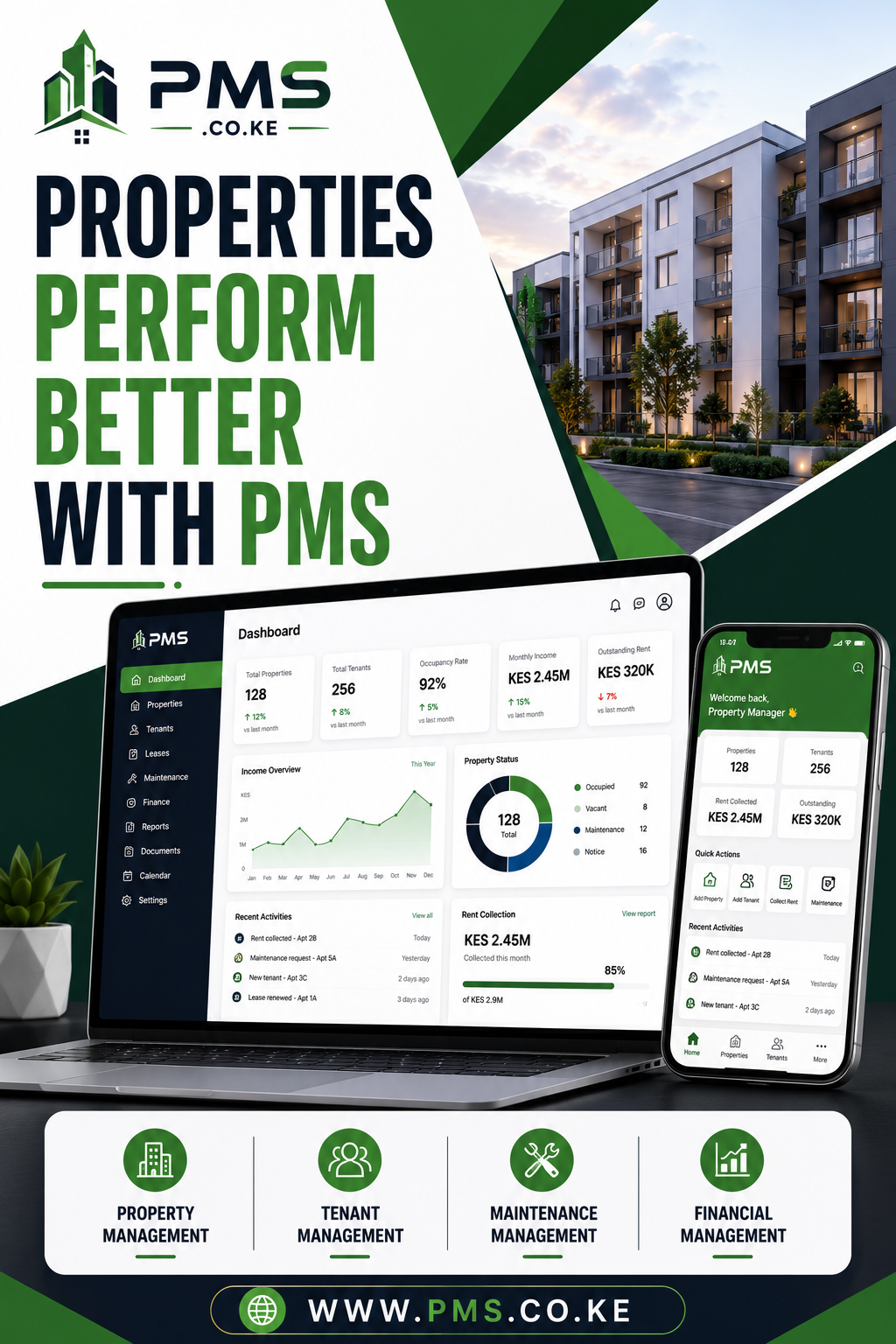
Easy Landlord Management Software helps property owners manage rental properties without dealing with complicated spreadsheets, paper records, or disconnected applications. Easy Landlord Management Software is designed to simplify everyday tasks such as tenant management, rent collection, payment tracking, maintenance requests, lease management, property records, and financial reporting. For landlords managing apartments, rental houses, flats, or multiple residential units, an easy-to-use property management platform can save time, reduce administrative mistakes, and provide a clearer view of rental operations.

Table of Contents

What Is Easy Landlord Management Software?

Easy Landlord Management Software is a digital property management platform designed to make rental property administration simpler and more organized.

Instead of maintaining separate records for tenants, rent payments, maintenance requests, leases, and expenses, landlords can manage these activities from one centralized system.

Depending on the platform, landlords can use the software to manage:

  • Properties
  • Rental units
  • Tenants
  • Rent charges
  • Payments
  • Arrears
  • Leases
  • Maintenance
  • Expenses
  • Documents
  • Reports
  • Tenant communication

The main advantage is simplicity. A landlord should be able to find important information without spending hours searching through spreadsheets or physical files.

Why Landlords Need Easy Property Management Software

Property management can become complicated when landlords have several rental units.

A landlord may need to know:

  • Which tenants have paid rent.
  • Who has outstanding balances.
  • Which units are vacant.
  • When leases expire.
  • Which maintenance issues are pending.
  • How much rental income was collected.
  • How much was spent on repairs.
  • Which properties are performing well.

Managing all of this manually can take considerable time.

Easy Landlord Management Software brings these activities together, making it easier for landlords to monitor their rental businesses.

Simple Tenant Management

Tenant information is one of the most important types of data in property management.

A simple system can allow landlords to create tenant records containing:

  • Full name
  • Phone number
  • Email address
  • Identification details
  • Property
  • Unit
  • Lease information
  • Rent amount
  • Payment history
  • Outstanding balance

Having tenant information in one location makes it easier to retrieve records whenever necessary.

Easy Rental Property Management

Landlords can use Easy Landlord Management Software to organize their properties and rental units.

A property record may contain:

  • Property name
  • Location
  • Building information
  • Number of units
  • Unit numbers
  • Rental rates
  • Occupancy status
  • Tenant information

This is especially useful for landlords who own multiple properties.

Instead of maintaining separate files for each building, the landlord can manage the entire portfolio from one platform.

Easy Rent Collection Management

Rent collection is one of the most important responsibilities of a landlord.

A good property management platform makes it easier to monitor rent charges and payments.

The system can show:

  • Rent expected
  • Rent received
  • Payment date
  • Outstanding balance
  • Previous payments
  • Tenant account status

This makes it easier to identify unpaid rent and follow up with tenants.

Rent Payment Tracking

An Easy Landlord Management Software solution should make it simple to record and review rental payments.

For each tenant, landlords can view the tenant’s financial history and determine whether the current month’s rent has been paid.

This reduces the need to manually calculate balances using spreadsheets or notebooks.

A clear payment history can also help resolve disagreements between landlords and tenants.

Tracking Tenant Arrears

Late or incomplete payments can affect a property’s cash flow.

A centralized system can help landlords identify tenants with outstanding balances.

The landlord can see:

  • Tenant name
  • Unit
  • Amount due
  • Amount paid
  • Outstanding amount
  • Payment history

This makes rent follow-up more organized.

Easy Lease Management

Lease agreements contain important information about the tenancy.

Easy Landlord Management Software can help landlords keep track of:

  • Lease start dates
  • Lease expiry dates
  • Rental amounts
  • Security deposits
  • Tenant information
  • Unit information
  • Renewal dates

Keeping these details in one place makes it easier to manage tenancy agreements.

Lease Expiration Tracking

Landlords should know when leases are approaching expiration.

A management system can help identify upcoming lease expirations so landlords can prepare for:

  • Renewals
  • Rent reviews
  • Tenant communication
  • Property inspections
  • Potential vacancies

This can reduce the risk of forgetting important lease dates.

Easy Maintenance Management

Property maintenance is another area where landlords can benefit from a simple digital system.

Tenants may report problems involving:

  • Plumbing
  • Electrical systems
  • Water supply
  • Doors
  • Windows
  • Roofing
  • Appliances
  • Common areas

Instead of keeping maintenance requests in phone messages or handwritten notes, landlords can organize them within the software.

Maintenance Request Tracking

A simple maintenance workflow can follow these stages:

  1. Tenant reports a problem.
  2. Landlord reviews the request.
  3. A technician or contractor is assigned.
  4. Work begins.
  5. Repairs are completed.
  6. The request is closed.

This provides a clear record of maintenance activity.

Easy Property Expense Management

Landlords need to track more than rental income.

Property expenses can include:

  • Repairs
  • Cleaning
  • Security
  • Landscaping
  • Plumbing
  • Electrical work
  • Maintenance materials
  • Contractor payments
  • Property improvements

Easy Landlord Management Software can organize these expenses by property or unit.

This helps landlords understand where their money is going.

Understanding Rental Property Profitability

Rental income alone does not show whether a property is performing well.

Landlords need to consider expenses alongside rental income.

A property management system can help provide information about:

  • Rental income
  • Outstanding rent
  • Maintenance costs
  • Operating expenses
  • Occupancy
  • Property performance

This can help landlords make better decisions about their properties.

Easy Occupancy Management

Landlords need to know which units are occupied and which are vacant.

An occupancy dashboard can show:

  • Total units
  • Occupied units
  • Vacant units
  • Units under maintenance
  • Available units
  • Upcoming vacancies

This makes it easier to identify vacant units that require attention.

Easy Tenant Communication

Communication is an important part of rental management.

A property management platform can help landlords organize communication relating to:

  • Rent reminders
  • Payment confirmations
  • Maintenance updates
  • Lease renewals
  • Property notices
  • General announcements

Centralized communication can make interactions more organized.

Tenant Self-Service

Some Easy Landlord Management Software platforms can provide tenants with access to their own accounts.

Depending on the system, tenants may be able to:

  • View rent balances
  • Check payment history
  • Submit maintenance requests
  • Receive notices
  • Access documents
  • Review account information

Tenant self-service can reduce the amount of routine work landlords need to perform.

Easy Landlord Management Software for Multiple Properties

Landlords managing multiple properties need a system that can organize information without becoming complicated.

A centralized platform can allow landlords to manage:

  • Multiple properties
  • Multiple buildings
  • Multiple units
  • Multiple tenants
  • Different rental rates
  • Different payment records

This makes it easier to manage a growing rental portfolio.

Easy Landlord Management Software for Kenya

Easy Landlord Management Software can be particularly useful for Kenyan landlords managing apartments, rental houses, flats, and residential estates.

Landlords in Nairobi, Mombasa, Kisumu, Nakuru, Eldoret, Thika, and other towns can use property management technology to organize rental operations.

A suitable system can help manage:

  • Tenant records
  • Rental units
  • Rent collection
  • Payment history
  • Arrears
  • Maintenance
  • Expenses
  • Leases
  • Property reports

For landlords managing multiple units, centralizing these activities can make daily operations much easier.

What Makes Landlord Management Software Easy to Use?

Not every property management system is equally simple.

When looking for Easy Landlord Management Software, landlords should consider the following:

Simple Dashboard

The main dashboard should provide an easy overview of important information such as occupancy, rent payments, arrears, and maintenance.

Easy Navigation

Landlords should be able to quickly move between properties, tenants, payments, and maintenance records.

Clear Tenant Records

Tenant information should be organized in a way that makes individual accounts easy to find.

Simple Payment Tracking

Recording and reviewing payments should not require complicated procedures.

Easy Reporting

Reports should be understandable and accessible without requiring advanced accounting or technical knowledge.

Mobile Access

Landlords may need to manage properties while away from their offices, making mobile-friendly access valuable.

Cloud-Based Landlord Management Software

Cloud-based property management platforms allow landlords to access information from different devices and locations.

Depending on the platform, landlords may be able to access their property information using:

  • Desktop computers
  • Laptops
  • Tablets
  • Smartphones

This can be useful for landlords who manage properties remotely or have property managers working in different locations.

Security and User Access

Property management software contains sensitive information about tenants, properties, and finances.

A professional system should provide appropriate security measures such as:

  • Secure login
  • User permissions
  • Data backups
  • Access controls
  • Secure connections
  • Activity records

Different employees can also receive different levels of access based on their responsibilities.

Choosing Easy Landlord Management Software

Before choosing a platform, landlords should consider:

Property Management

Can it manage multiple properties and rental units?

Tenant Management

Can landlords easily create and maintain tenant records?

Rent Management

Can it track rent charges, payments, arrears, and balances?

Maintenance

Can landlords record and monitor maintenance requests?

Financial Management

Can the system track rental income and property expenses?

Reporting

Can landlords generate useful property and financial reports?

Ease of Use

Can landlords learn to use the platform without extensive technical training?

Scalability

Can the software support more properties and tenants as the business grows?

Why RentalDesk Can Be an Easy Landlord Management Solution

For landlords looking for Easy Landlord Management Software, RentalDesk provides a centralized approach to managing rental property operations.

The platform focuses on key areas such as:

  • Tenant management
  • Maintenance management
  • Financial management
  • Property records
  • Rental operations

By bringing these functions together, landlords can reduce reliance on disconnected spreadsheets and manual records.

Conclusion

Easy Landlord Management Software simplifies the everyday work involved in managing rental properties. From tenant records and rent collection to maintenance, leases, expenses, occupancy, and reporting, a centralized system can help landlords manage their properties more efficiently.

For Kenyan landlords managing apartments, rental houses, flats, and residential estates, choosing software that is simple to understand and easy to operate can make a significant difference. The right Easy Landlord Management Software should provide the features landlords need without making everyday property management unnecessarily complicated.

Why Easy Landlord Management Software Matters

Easy Landlord Management Software can simplify many responsibilities that landlords handle every day. Managing rental properties involves more than collecting rent. Landlords also need to keep tenant records, monitor vacancies, follow up on maintenance, manage leases, record expenses, and understand property performance.

When these activities are managed manually, information can become scattered across notebooks, spreadsheets, receipts, messaging applications, and paper documents. Easy Landlord Management Software brings these activities into a centralized platform, making information easier to access and manage.

Managing Multiple Rental Properties

Managing one rental property can be relatively straightforward, but managing several properties creates additional administrative work.

A landlord may have:

  • Several apartment buildings
  • Multiple rental houses
  • Different rental rates
  • Hundreds of tenants
  • Different lease dates
  • Multiple maintenance requests
  • Various property expenses

A centralized property management platform allows landlords to organize all these records from one location.

Instead of checking individual files, landlords can select a property and view the units, tenants, payments, maintenance requests, and other information associated with it.

Easy Rental Unit Management

Every rental unit has its own status and information.

A simple system can help landlords identify whether a unit is:

  • Occupied
  • Vacant
  • Reserved
  • Under maintenance
  • Awaiting a new tenant

The landlord can also associate each unit with its current tenant, rent amount, lease information, and payment records.

This makes it easier to understand the status of the entire property portfolio.

Simplifying Tenant Management

Tenant administration becomes easier when every tenant has a centralized digital record.

A tenant profile can contain:

  • Name
  • Contact information
  • Identification details
  • Property
  • Unit
  • Rent amount
  • Lease details
  • Payment history
  • Outstanding balance
  • Maintenance requests

Instead of searching through multiple documents, landlords can retrieve a tenant’s information from one account.

Making Rent Collection Easier

Rent collection is one of the most important functions of Easy Landlord Management Software.

A centralized platform can help landlords monitor:

  • Rent expected
  • Rent received
  • Amount outstanding
  • Payment dates
  • Partial payments
  • Previous transactions

This gives landlords a clear understanding of their rental income without requiring manual calculations.

Managing Rent Arrears

Rent arrears can affect a landlord’s cash flow and make financial planning more difficult.

A property management system can identify tenants with outstanding balances and provide an overview of unpaid rent.

Landlords can use this information to:

  • Follow up with tenants
  • Send reminders
  • Review payment histories
  • Monitor outstanding balances
  • Prepare financial reports

This creates a more structured approach to managing arrears.

Automated Rent Reminders

Manually reminding every tenant about rent can consume a lot of time.

Depending on the platform, automated reminders can be sent before or after payment due dates.

Notifications may be used for:

  • Upcoming rent
  • Overdue rent
  • Payment confirmation
  • Outstanding balances
  • Other account updates

Automation helps reduce repetitive administrative work.

Tracking Rental Payments

A good system should maintain a complete payment history for each tenant.

This allows landlords to determine:

  • When rent was paid
  • How much was paid
  • Which month the payment covered
  • Whether there is a remaining balance
  • How the tenant’s payment history looks over time

Accurate payment records can also make it easier to resolve disputes.

Simplifying Lease Management

Lease agreements contain dates and terms that landlords need to monitor.

Easy Landlord Management Software can help organize:

  • Lease start dates
  • Lease expiry dates
  • Renewal dates
  • Rent amounts
  • Security deposits
  • Tenant information
  • Unit information

Having this information readily available makes lease administration easier.

Monitoring Lease Expirations

Landlords should avoid discovering that a lease has expired only after the date has passed.

A property management system can help identify upcoming lease expirations.

This gives landlords time to:

  • Contact tenants
  • Discuss renewal
  • Review rental terms
  • Conduct inspections
  • Prepare vacant units
  • Find replacement tenants if necessary

Managing Vacancies

Vacant units represent potential lost rental income.

A centralized system can help landlords monitor vacancies and identify which properties require attention.

Landlords can use vacancy information to coordinate:

  • Property cleaning
  • Repairs
  • Inspections
  • Advertising
  • Tenant screening
  • Move-in preparations

This can help reduce unnecessary vacancy periods.

Easy Maintenance Management

Maintenance requests can become difficult to track when tenants report them through different communication channels.

A centralized system allows landlords to record each issue in a structured format.

A maintenance request may contain:

  • Tenant name
  • Property
  • Unit
  • Problem description
  • Date reported
  • Assigned technician
  • Status
  • Completion date
  • Cost

This gives landlords a clear history of maintenance work.

Tracking Maintenance Progress

Maintenance jobs can be given different statuses, such as:

  • Reported
  • Assigned
  • In progress
  • Awaiting parts
  • Completed
  • Closed

This makes it easier to identify unresolved issues.

It also prevents important maintenance requests from being forgotten.

Managing Property Contractors

Landlords often depend on external professionals for property maintenance.

These can include:

  • Plumbers
  • Electricians
  • Painters
  • Carpenters
  • Cleaners
  • Security providers
  • General repair technicians

An Easy Landlord Management Software platform can maintain contractor information and connect service providers to maintenance jobs.

This creates a useful history of who worked on a property and what work was performed.

Tracking Maintenance Costs

Maintenance costs can have a significant effect on rental property profitability.

Landlords can record expenses associated with:

  • Repairs
  • Replacement parts
  • Labor
  • Cleaning
  • Electrical work
  • Plumbing
  • General maintenance

Organizing these expenses by property can help landlords understand which properties require the most maintenance spending.

Managing Property Expenses

Rental properties can generate many expenses beyond maintenance.

These can include:

  • Security
  • Cleaning
  • Landscaping
  • Utilities
  • Property improvements
  • Management costs
  • Service provider payments

Easy Landlord Management Software can help organize expenses and associate them with the appropriate property.

Understanding Property Performance

Landlords need to know whether their properties are performing well financially.

A property management system can provide information about:

  • Rental income
  • Rent arrears
  • Operating expenses
  • Maintenance costs
  • Occupancy
  • Vacancies

This gives landlords a better basis for evaluating individual properties and their overall portfolio.

Simple Property Reports

Reports should not be complicated to understand.

An easy property management system can provide reports covering:

  • Rent collection
  • Outstanding rent
  • Tenant balances
  • Property income
  • Property expenses
  • Maintenance
  • Occupancy
  • Vacancies

These reports can help landlords make better operational and financial decisions.

Tenant Communication

Landlords communicate with tenants about many different matters.

A property management platform can help organize communication involving:

  • Rent reminders
  • Payment confirmations
  • Maintenance updates
  • Lease renewals
  • Property notices
  • General announcements

Centralized communication makes it easier to keep track of important tenant interactions.

Tenant Self-Service

Tenant portals can make property management even easier.

Depending on the platform, tenants may be able to:

  • Check their rent balance
  • View payment history
  • Submit maintenance requests
  • Receive notices
  • Access documents
  • Review account information

This allows tenants to handle routine requests without requiring the landlord to perform every action manually.

Mobile Access for Landlords

Landlords are not always sitting in an office.

Mobile-friendly Easy Landlord Management Software can allow landlords to access important property information using smartphones and tablets.

For example, a landlord visiting a property may need to:

  • Check tenant information
  • Confirm a payment
  • Review an outstanding balance
  • Check a maintenance request
  • Review property information

Mobile access makes property management more convenient.

Easy Landlord Management Software for Kenya

Kenyan landlords managing rental houses, apartments, flats, and residential estates can benefit from centralized property management technology.

Landlords in Nairobi, Mombasa, Kisumu, Nakuru, Eldoret, Thika, and other locations may manage properties remotely or across several different locations.

An organized platform can help them manage:

  • Tenants
  • Rental units
  • Rent
  • Arrears
  • Maintenance
  • Leases
  • Expenses
  • Property reports

This is especially valuable when a landlord has a growing portfolio.

Security and User Permissions

Property management platforms contain financial and personal information, so security should be an important consideration.

A professional platform should provide appropriate measures such as:

  • Secure user authentication
  • User permissions
  • Data backups
  • Access controls
  • Secure connections
  • Activity records

User permissions can also ensure that employees only access information relevant to their responsibilities.

What Makes Landlord Management Software Easy?

Not every property management system is genuinely easy to use.

When choosing Easy Landlord Management Software, landlords should look for:

Simple Dashboard

Important information should be visible without navigating through complicated menus.

Straightforward Tenant Management

Creating and finding tenant records should be quick.

Simple Rent Tracking

Landlords should easily identify paid and unpaid rent.

Easy Maintenance Tracking

Maintenance requests should be easy to record, assign, and monitor.

Clear Reports

Financial and property reports should be understandable without specialized technical knowledge.

Mobile-Friendly Design

The system should work properly on the devices landlords actually use.

Common Problems With Complicated Property Management Software

A system can have many features but still be difficult to use.

Complicated software may result in:

  • Slow adoption
  • Incorrect data entry
  • Staff confusion
  • Unused features
  • Increased training requirements
  • Delayed updates

The best Easy Landlord Management Software should balance functionality with simplicity.

Landlords should be able to perform routine tasks without unnecessary steps.

Why RentalDesk Can Help Simplify Property Management

For landlords searching for Easy Landlord Management Software, RentalDesk provides a centralized approach to managing rental operations.

The platform brings together important areas such as:

  • Tenant management
  • Maintenance management
  • Financial management
  • Property records
  • Rental operations

This allows landlords to manage important information from one system instead of relying on disconnected manual records.

How to Choose Easy Landlord Management Software

Before selecting a platform, landlords should ask:

  1. Can it manage multiple properties?
  2. Can it manage multiple rental units?
  3. Can it maintain tenant records?
  4. Can it track rent payments?
  5. Can it identify arrears?
  6. Can it manage leases?
  7. Can it track maintenance requests?
  8. Can it record property expenses?
  9. Can it generate reports?
  10. Is it easy for landlords and staff to learn?
  11. Can it support future portfolio growth?
  12. Can authorized users access it from different devices?

A system that answers these requirements can provide a strong foundation for rental property management.

Future of Easy Landlord Management Software

Property management is becoming increasingly digital.

Future platforms will likely focus on making complex processes even easier through:

Automation

Routine rent reminders, notifications, reports, and administrative tasks can increasingly be automated.

Mobile Property Management

Landlords will continue managing properties from smartphones and tablets.

Digital Payments

Payment systems will become increasingly integrated with property management platforms.

Smart Property Technology

Rental platforms may increasingly connect with smart meters, access control, security systems, and other connected property technologies.

Artificial Intelligence

AI can assist landlords with reporting, property analysis, maintenance prediction, and automated communication.

Conclusion

Easy Landlord Management Software can make rental property management simpler by bringing tenant records, rent collection, arrears, leases, maintenance, expenses, vacancies, and reporting into one organized platform.

For landlords managing properties in Kenya, simplicity is particularly important when selecting property management technology. A good system should provide powerful management capabilities while remaining easy enough for landlords and staff to use every day.

Whether managing a few rental units or a large residential portfolio, the right Easy Landlord Management Software can reduce repetitive administrative work, improve record keeping, simplify rent management, and give landlords better visibility into the performance of their properties.