
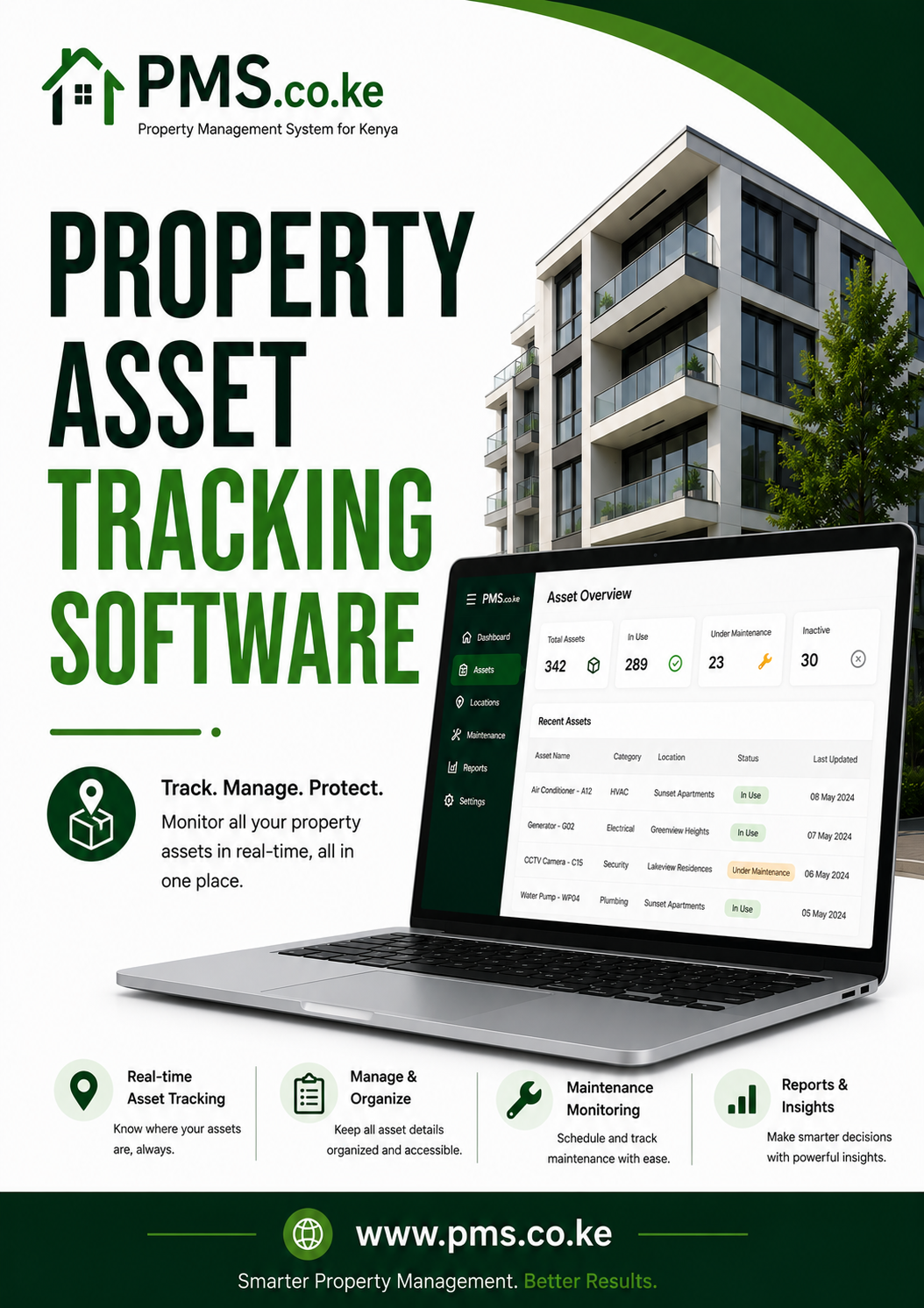
Property Asset Tracking Software is transforming how property managers monitor, manage, and maintain valuable assets across residential, commercial, and mixed-use properties. Every property portfolio contains assets that require continuous oversight, including equipment, furniture, appliances, security systems, generators, elevators, utility infrastructure, maintenance tools, and shared facilities. Without proper asset tracking, organizations often face operational inefficiencies, increased maintenance costs, asset losses, and reduced accountability.
Traditional asset management methods frequently rely on spreadsheets, paper records, manual inspections, and disconnected databases. While these approaches may be manageable for smaller properties, they become increasingly difficult as portfolios expand. Property managers often struggle to determine asset locations, maintenance histories, warranty information, replacement schedules, and ownership records.
Property Asset Tracking Software addresses these challenges by providing a centralized platform for tracking asset information throughout the asset lifecycle. The system enables property managers to record asset details, monitor usage, schedule maintenance, track movements, manage depreciation, and maintain complete visibility over property resources.
As Kenya’s property sector continues growing, asset management is becoming a strategic priority for landlords, developers, property managers, and facility management teams. Property Asset Tracking Software helps organizations improve operational efficiency while protecting investments and maximizing asset performance.
Modern property management requires accurate information and real-time visibility. Property Asset Tracking Software provides the tools necessary to maintain control over assets while reducing administrative workload and improving decision-making.
Organizations that implement Property Asset Tracking Software gain stronger accountability, better maintenance planning, improved reporting capabilities, and enhanced operational control across their property portfolios.
Table of Contents
- Understanding Property Asset Tracking
- Why Asset Visibility Matters in Property Management
- Core Features of Modern Asset Tracking Platforms
- Asset Registration and Classification
- Asset Location and Movement Tracking
- Maintenance History and Lifecycle Management
- Asset Performance Monitoring
- Challenges of Traditional Asset Management Methods
Understanding Property Asset Tracking
Property asset tracking refers to the process of identifying, recording, monitoring, maintaining, and managing physical assets throughout their lifecycle. These assets may include building equipment, maintenance tools, office equipment, security infrastructure, utility systems, appliances, and shared facilities.
Property Asset Tracking Software provides a centralized environment where organizations can maintain accurate asset records and monitor asset performance continuously.
Every asset represents an investment that contributes to property operations. Without structured tracking systems, organizations risk losing visibility into asset conditions, maintenance schedules, ownership records, and replacement requirements.
A Property Asset Tracking Software platform allows property managers to store detailed asset information, including acquisition dates, locations, serial numbers, maintenance history, warranty details, and operational status.
This centralized approach improves accountability while reducing the risk of asset loss, duplication, or underutilization.
Property managers can quickly access information whenever inspections, maintenance activities, audits, or financial reviews are conducted.
As property portfolios expand, asset inventories become increasingly complex. Property Asset Tracking Software helps organizations manage this complexity while maintaining operational efficiency.
Digital asset management creates a structured framework that supports better planning, improved resource utilization, and long-term asset preservation.
Why Asset Visibility Matters in Property Management
Asset visibility is essential for maintaining efficient property operations.
Property managers depend on accurate asset information to make informed decisions regarding maintenance, budgeting, replacements, and resource allocation.
Property Asset Tracking Software improves visibility by providing real-time access to asset records and performance data.
Benefits of improved asset visibility include:
- Better resource management
- Reduced asset losses
- Improved maintenance planning
- Enhanced accountability
- More accurate budgeting
- Stronger operational control
- Better reporting capabilities
- Improved compliance support
Without proper visibility, property managers may struggle to identify asset conditions, locate equipment, verify maintenance history, or assess replacement needs.
Property Asset Tracking Software helps eliminate these challenges by creating a centralized source of truth for asset information.
The ability to access accurate asset data quickly supports faster decision-making and improved operational performance.
For large property portfolios, visibility becomes increasingly important as the number of assets grows and management requirements become more complex.
Organizations that maintain strong asset visibility are better positioned to protect investments and maximize asset value.
Core Features of Modern Asset Tracking Platforms
Modern Property Asset Tracking Software includes a wide range of features designed to improve asset management and operational efficiency.
Centralized asset databases allow organizations to maintain comprehensive records for all property assets within a single platform.
Advanced search capabilities help users locate asset information quickly using categories, locations, serial numbers, identification codes, or keywords.
Property Asset Tracking Software also supports asset categorization and classification, ensuring that records remain organized and easy to manage.
Other important features include:
Asset Registration
Organizations can record complete asset profiles and ownership information.
Location Tracking
Property managers can monitor where assets are located and how they are being used.
Maintenance Scheduling
The system supports preventive and corrective maintenance planning.
Lifecycle Tracking
Managers can monitor assets from acquisition through disposal.
Warranty Management
Important warranty information remains accessible and organized.
Reporting Tools
Comprehensive reports provide visibility into asset performance and utilization.
Audit Trails
Activity tracking improves accountability and record accuracy.
These features help property managers maintain greater control over property resources while improving operational efficiency.
Asset Registration and Classification
Accurate asset registration is the foundation of effective asset management.
Property Asset Tracking Software enables organizations to create detailed records for every asset within their portfolio.
Common asset information includes:
- Asset name
- Asset category
- Serial number
- Acquisition date
- Purchase value
- Warranty information
- Asset location
- Ownership details
By maintaining complete records, property managers can improve accountability and support better decision-making.
Property Asset Tracking Software also allows assets to be classified according to categories such as maintenance equipment, security systems, appliances, utility infrastructure, furniture, and shared facilities.
Classification improves organization and simplifies reporting.
Property managers can quickly identify asset groups, evaluate performance, and plan maintenance activities more effectively.
As asset inventories grow, structured registration and classification become increasingly valuable for maintaining visibility and operational control.
A centralized registration process ensures consistency across the portfolio while reducing administrative complexity.
Asset Location and Movement Tracking
Tracking asset locations is essential for maintaining accountability and reducing losses.
Property Asset Tracking Software helps organizations monitor where assets are located and how they move between properties, departments, or operational areas.
Location tracking provides several benefits:
- Improved accountability
- Reduced asset loss
- Better utilization monitoring
- Faster asset retrieval
- Improved audit preparation
- Enhanced operational visibility
Property managers can quickly identify the current location of equipment, tools, furniture, and other valuable resources.
When assets are transferred or relocated, Property Asset Tracking Software updates records automatically, maintaining accurate location histories.
This visibility helps organizations avoid duplicate purchases and ensures that resources are used efficiently.
For large property portfolios, location tracking becomes particularly important because assets may be distributed across multiple sites.
A Property Asset Tracking Software platform provides centralized oversight while reducing the risk of misplaced or underutilized resources.
Maintenance History and Lifecycle Management
Effective maintenance management is critical for preserving asset value and ensuring operational reliability.
Property Asset Tracking Software helps organizations maintain detailed maintenance records throughout the asset lifecycle.
Property managers can track:
- Inspection history
- Maintenance schedules
- Repair activities
- Service providers
- Replacement parts
- Maintenance costs
- Downtime records
- Asset condition assessments
Maintaining complete maintenance histories supports better planning and budgeting.
Property Asset Tracking Software also helps identify recurring issues that may indicate the need for replacement or upgrades.
Lifecycle management provides visibility into asset age, performance trends, and future maintenance requirements.
This information helps organizations make informed decisions regarding repairs, replacements, and capital investments.
By extending asset lifespan and improving maintenance efficiency, property managers can reduce operational costs while improving service quality.
Asset Performance Monitoring
Monitoring asset performance is essential for maximizing operational efficiency.
Property Asset Tracking Software provides visibility into how assets perform over time and helps organizations identify opportunities for improvement.
Performance monitoring may include:
- Utilization rates
- Maintenance frequency
- Operational status
- Downtime analysis
- Cost tracking
- Efficiency measurements
- Asset condition ratings
- Replacement forecasting
Property managers can evaluate whether assets are delivering expected value and identify underperforming resources.
Property Asset Tracking Software supports proactive management by providing actionable insights that improve planning and decision-making.
Organizations can optimize resource allocation, reduce unnecessary expenses, and improve operational performance.
Performance monitoring also supports long-term asset planning and investment strategies.
As portfolios continue expanding, data-driven asset management becomes increasingly important for maintaining efficiency and competitiveness.
Challenges of Traditional Asset Management Methods
Many organizations still rely on manual asset management processes involving spreadsheets, paper records, and disconnected databases.
While these methods may appear familiar, they often create significant operational challenges.
Common issues include:
- Lost asset records
- Inaccurate inventory data
- Limited visibility
- Poor maintenance tracking
- Duplicate purchases
- Asset losses
- High administrative workload
- Inconsistent reporting
Traditional methods make it difficult to maintain accurate and up-to-date information as asset inventories grow.
Property Asset Tracking Software eliminates these inefficiencies by centralizing asset information and automating key management processes.
Instead of spending time searching for records and updating spreadsheets, property managers gain immediate access to accurate asset data.
As Kenya’s property sector continues modernizing, organizations that invest in Property Asset Tracking Software are better positioned to improve accountability, operational efficiency, and long-term asset performance.
Benefits for Property Managers
A Property Asset Tracking Software delivers substantial advantages to property managers by creating complete visibility over physical assets spread across residential, commercial, mixed-use, and institutional properties. Managing multiple buildings often involves tracking equipment, appliances, furniture, security systems, and maintenance tools. A centralized Property Asset Tracking Software ensures every asset remains accounted for throughout its lifecycle.
Property managers can quickly identify asset locations, monitor utilization, schedule inspections, and prevent unnecessary replacements. The software minimizes losses caused by poor record-keeping while improving operational accountability across departments.
Additional benefits include:
- Faster asset audits
- Reduced administrative workload
- Improved maintenance planning
- Better inventory control
- Enhanced operational transparency
- More accurate reporting
- Increased portfolio efficiency
For growing property portfolios in Kenya, a Property Asset Tracking Software helps managers maintain consistent standards across multiple locations.
Benefits for Property Owners
Property owners depend on asset visibility to protect investments and maximize returns. A modern Property Asset Tracking Software provides real-time information about property assets, allowing owners to understand asset value, depreciation, maintenance history, and replacement requirements.
With a comprehensive Property Asset Tracking Software, owners gain:
- Greater financial visibility
- Improved capital planning
- Better budget forecasting
- Reduced asset losses
- Enhanced portfolio performance
- Improved operational accountability
- Long-term asset preservation
Property owners can make informed investment decisions based on accurate asset data rather than assumptions or outdated spreadsheets.
The ability to monitor asset conditions across multiple properties is especially valuable for landlords managing large residential developments throughout Kenya.
Benefits for Tenants
Although asset management is primarily an operational function, tenants also benefit significantly from a well-implemented Property Asset Tracking Software.
When assets are properly tracked and maintained, tenants experience:
- Faster maintenance response times
- Improved property conditions
- Better service delivery
- Reduced equipment downtime
- Enhanced safety standards
- Higher tenant satisfaction
For example, when air conditioning units, elevators, water pumps, generators, and security systems are tracked using a Property Asset Tracking Software, maintenance teams can address issues before they affect tenants.
This proactive approach improves tenant retention and strengthens property reputation.
Improving Efficiency Through Automation
Automation is one of the most valuable features of a modern Property Asset Tracking Software.
Instead of relying on manual asset registers and paper documentation, property teams can automate:
- Asset registration
- Asset categorization
- Maintenance scheduling
- Inspection reminders
- Warranty tracking
- Lifecycle monitoring
- Asset performance reporting
- Replacement planning
Automated workflows reduce human error while ensuring important maintenance activities are never overlooked.
Property managers using a Property Asset Tracking Software can spend less time managing spreadsheets and more time focusing on tenant relationships, occupancy growth, and operational excellence.
Automation also supports scalability, enabling organizations to manage hundreds or thousands of assets efficiently.
Compliance, Security, and Risk Management
Regulatory compliance and risk mitigation are essential components of professional property management. A reliable Property Asset Tracking Software helps organizations maintain complete asset records that support operational audits and internal accountability.
Key compliance and security advantages include:
- Detailed asset histories
- Inspection documentation
- Maintenance records
- Warranty tracking
- Vendor accountability
- Asset ownership records
- Audit-ready reporting
A Property Asset Tracking Software creates a transparent operational environment where every asset interaction is documented and traceable.
For property organizations operating in Kenya, maintaining accurate records supports stronger governance and improved operational credibility.
The software also reduces risks associated with asset theft, loss, misuse, and undocumented replacements.
Why RentalDesk Is the Ideal Solution
RentalDesk provides a powerful Property Asset Tracking Software designed specifically for modern property management operations.
Through RentalDesk, property managers can:
- Register assets centrally
- Track asset locations
- Monitor asset conditions
- Schedule preventive maintenance
- Record maintenance histories
- Generate asset reports
- Manage asset lifecycles
- Improve operational visibility
RentalDesk integrates asset management with broader property operations, including:
- Tenant management
- Lease administration
- Occupancy tracking
- Maintenance coordination
- Financial management
- Property reporting
This integrated approach ensures that a Property Asset Tracking Software becomes part of a complete property management ecosystem rather than an isolated operational tool.
For Kenyan property managers seeking greater efficiency and visibility, RentalDesk provides the technology foundation needed to support long-term growth.
Future Trends
The future of Property Asset Tracking Software will be shaped by emerging technologies that provide deeper operational insights and greater automation.
Key trends include:
Internet of Things (IoT)
Connected devices will continuously monitor asset performance and transmit real-time operational data.
Predictive Maintenance
Artificial intelligence will identify maintenance requirements before failures occur.
Mobile Asset Management
Field teams will increasingly manage assets using mobile applications and cloud-based systems.
Smart Property Integration
Asset tracking platforms will integrate directly with building management systems and smart property technologies.
Advanced Analytics
Future Property Asset Tracking Software solutions will deliver predictive forecasting and asset optimization recommendations.
Automated Lifecycle Planning
Software platforms will automatically recommend repair, upgrade, or replacement actions based on performance data.
These innovations will help property organizations improve efficiency while reducing operational costs.
Getting Started
Implementing a Property Asset Tracking Software begins with creating a complete inventory of all assets within a property portfolio.
Recommended implementation steps include:
- Conduct asset audits
- Categorize assets by type and location
- Define maintenance schedules
- Configure asset records
- Establish reporting requirements
- Train operational teams
- Monitor asset performance
- Review lifecycle data regularly
Organizations that adopt a structured implementation strategy achieve faster returns and stronger long-term results.
A professionally deployed Property Asset Tracking Software quickly becomes a critical operational resource for property management success.
