Online Rent Collection Software: The Ultimate Guide to Simplifying Property Payments, Tenant Billing, and Rental Income Management in 2026

online rent collection software

online rent collection software has become an essential solution for landlords, property managers, real estate companies, apartment owners, gated communities, and rental agencies looking to automate rent collection and improve financial management. Instead of relying on manual cash payments, bank deposits, or paper receipts, modern software enables tenants to pay rent securely online while giving property owners complete visibility into every transaction.

As the property management industry becomes increasingly digital, online rent collection software helps eliminate late payments, reduce administrative work, improve tenant communication, and streamline financial reporting. Whether you manage a single apartment building or hundreds of rental units across multiple locations, the right software can save time, reduce errors, and improve cash flow.

Table of Contents

What Is Online Rent Collection Software?

online rent collection software is a digital platform that allows landlords and property managers to collect rent electronically while managing tenant accounts, payment records, invoices, receipts, and financial reports from one centralized system.

A typical system includes:

  • Tenant payment portal
  • Online rent payments
  • Automated invoicing
  • Payment reminders
  • Digital receipts
  • Financial reports
  • Tenant account management
  • Property management integration
  • Lease tracking
  • Payment history

The software simplifies every step of the rent collection process.

Why Property Owners Need Online Rent Collection Software

Manual rent collection often creates several challenges, including:

  • Late payments
  • Missing receipts
  • Manual record keeping
  • Payment disputes
  • Time-consuming reconciliation
  • Poor financial visibility
  • Increased administrative work

online rent collection software automates these tasks, making rent collection faster, more secure, and more reliable.

How Online Rent Collection Software Works

A typical payment process follows these steps:

  1. Rent invoice is generated automatically.
  2. Tenant receives a payment notification.
  3. Tenant logs into the payment portal.
  4. Payment is completed using the available payment method.
  5. The system records the payment automatically.
  6. A digital receipt is generated.
  7. Financial reports update in real time.

Automation reduces paperwork and human error.

Benefits of Online Rent Collection Software

Using online rent collection software provides numerous advantages, including:

  • Faster rent collection
  • Reduced late payments
  • Improved cash flow
  • Automatic payment tracking
  • Better financial reporting
  • Improved tenant satisfaction
  • Reduced paperwork
  • Secure payment processing
  • Easy reconciliation
  • Centralized management

These benefits improve both operational efficiency and tenant experience.

Tenant Self-Service Portal

Most modern systems provide tenants with a secure online portal where they can:

  • View rent balances
  • Make rent payments
  • Download receipts
  • Review payment history
  • Update personal information
  • Contact property management

Self-service reduces administrative workload.

Automated Rent Invoicing

The software can automatically generate rent invoices based on lease agreements.

Invoices may include:

  • Monthly rent
  • Service charges
  • Parking fees
  • Utility bills
  • Maintenance charges
  • Other recurring fees

Automatic invoicing ensures consistency and accuracy.

Automatic Payment Reminders

One of the most valuable features of online rent collection software is automated reminders.

Notifications may be sent:

  • Before rent is due
  • On the due date
  • After missed payments
  • Before late fees apply

Automated reminders encourage timely payments.

Digital Payment Records

Every payment is recorded automatically.

Information typically includes:

  • Payment date
  • Amount paid
  • Tenant name
  • Property
  • Unit number
  • Payment reference
  • Outstanding balance

Digital records eliminate manual bookkeeping.

Digital Receipts

Tenants receive electronic receipts immediately after successful payments.

Receipts may include:

  • Receipt number
  • Payment amount
  • Property details
  • Payment date
  • Payment reference

Digital receipts reduce disputes and improve record keeping.

Payment History

Both landlords and tenants can access complete payment histories.

This includes:

  • Previous payments
  • Outstanding balances
  • Missed payments
  • Refunds
  • Payment adjustments

Historical records simplify financial management.

Multiple Property Management

Many landlords manage several properties.

online rent collection software should support:

  • Apartments
  • Residential estates
  • Commercial buildings
  • Office spaces
  • Student housing
  • Mixed-use developments

Centralized management simplifies administration.

Unit Management

The software should organize rental units efficiently.

Information may include:

  • Unit number
  • Occupancy status
  • Monthly rent
  • Tenant information
  • Lease dates
  • Payment history

Well-organized records improve operational efficiency.

Tenant Management

Property managers can maintain complete tenant profiles including:

  • Contact information
  • Lease agreements
  • Payment history
  • Outstanding balances
  • Communication history

Comprehensive tenant records improve service quality.

Lease Management

The system should monitor lease information such as:

  • Lease start date
  • Lease end date
  • Monthly rent
  • Renewal dates
  • Security deposit
  • Special terms

Lease tracking helps prevent missed renewals.

Late Payment Management

When tenants miss payments, the software can:

  • Send reminders
  • Calculate overdue balances
  • Apply late fees where applicable
  • Generate outstanding payment reports

Automation simplifies debt management.

Financial Reporting

Detailed reports help property owners understand business performance.

Reports may include:

  • Monthly rent collected
  • Outstanding balances
  • Occupancy income
  • Property revenue
  • Tenant payment history
  • Cash flow reports

These insights support informed financial decisions.

Real-Time Dashboard

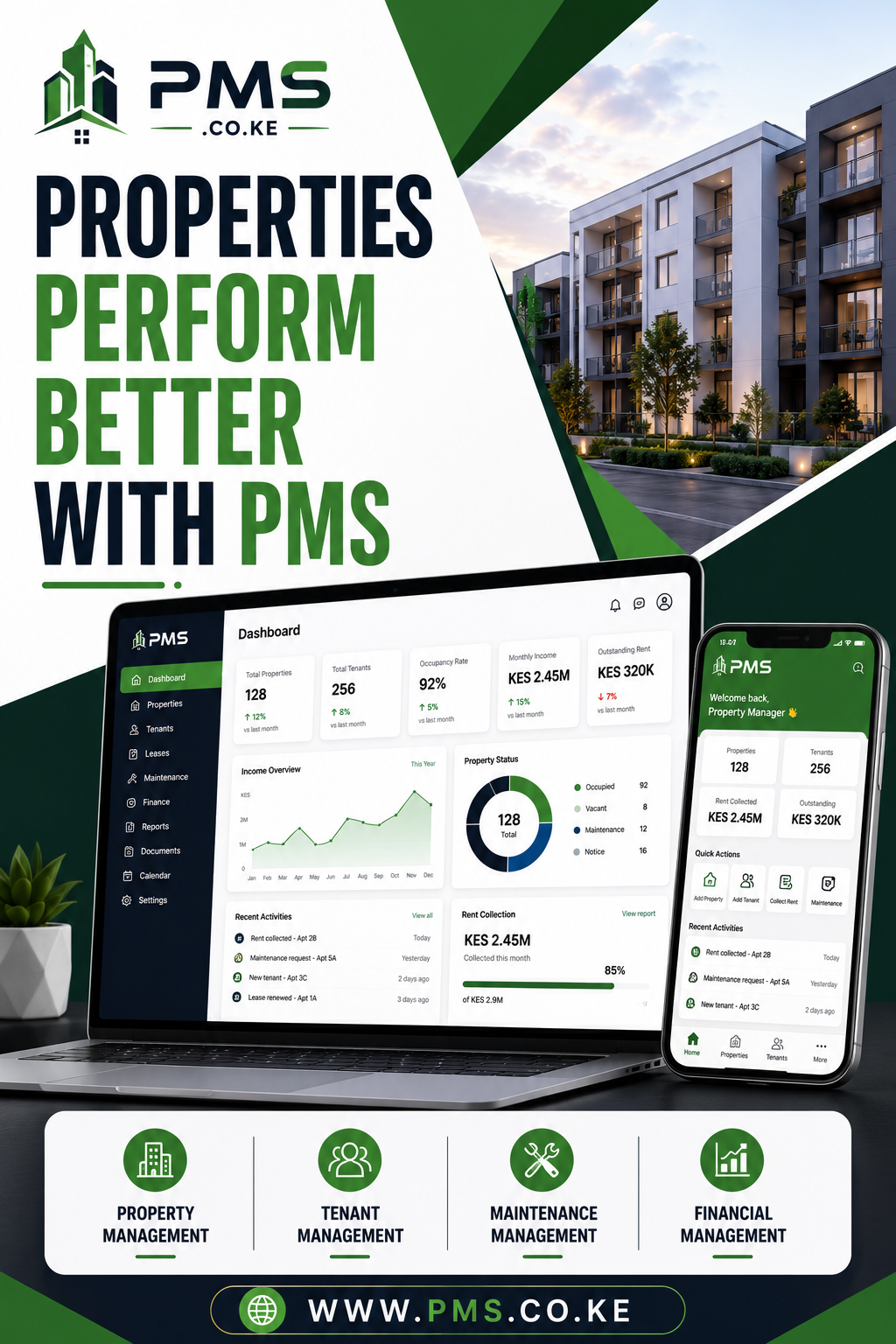
A management dashboard may display:

  • Total rent collected
  • Outstanding rent
  • Active tenants
  • Vacant units
  • Upcoming lease expirations
  • Monthly revenue

Real-time information improves operational visibility.

Security Features

Because financial information is sensitive, online rent collection software should provide:

  • Secure user authentication
  • Role-based permissions
  • Data encryption
  • Audit logs
  • Automatic backups

Strong security protects both landlords and tenants.

Role-Based User Access

Different staff members may require different access levels.

Examples include:

Administrator

  • Full system access

Property Manager

  • Tenant and property management

Finance Officer

  • Payment records and reports

Reception Staff

  • Limited tenant information

Role-based permissions improve accountability.

Multi-Property Reporting

Owners with multiple buildings can compare performance across properties.

Reports may include:

  • Property revenue
  • Collection rates
  • Occupancy income
  • Payment trends
  • Outstanding balances

Centralized reporting simplifies portfolio management.

Cloud-Based Access

Cloud deployment allows users to:

  • Access the system remotely
  • Manage properties from any location
  • View reports in real time
  • Receive automatic software updates

Cloud systems are particularly useful for growing property businesses.

Scalability

As rental portfolios grow, online rent collection software should support:

  • Additional properties
  • More tenants
  • More staff users
  • Higher transaction volumes
  • Multiple branches

Scalable software protects long-term investments.

Choosing the Right Online Rent Collection Software

Before selecting online rent collection software, property owners should evaluate:

  • Number of properties
  • Number of tenants
  • Payment methods
  • Reporting capabilities
  • Security features
  • Ease of use
  • Mobile accessibility
  • Integration options
  • Customer support
  • Future scalability

Choosing software based on long-term requirements provides greater value.

Final Conclusion

online rent collection software has transformed the way landlords and property managers collect rent, manage tenant payments, and oversee rental income. By automating invoicing, payment reminders, digital receipts, financial reporting, and tenant account management, these systems reduce administrative work while improving payment accuracy and cash flow.

Whether managing a few rental units or a large portfolio of residential and commercial properties, investing in online rent collection software helps streamline operations, improve tenant satisfaction, and provide complete visibility into property finances. As digital payments continue to grow in popularity, adopting a reliable online rent collection platform is an important step toward more efficient, secure, and scalable property management.

online rent collection software is transforming the way landlords, property managers, estate owners, and real estate companies collect rent and manage rental income. As rental portfolios continue to grow, manual payment methods become increasingly difficult to manage. Property owners need faster, more secure, and fully automated systems that reduce administrative work while improving tenant satisfaction.

A modern online rent collection software solution does far more than accept rent payments. It manages billing, automates payment reminders, tracks lease agreements, generates financial reports, monitors tenant balances, supports multiple properties, and provides real-time visibility into rental income. Whether managing apartments, gated communities, commercial buildings, office spaces, or mixed-use developments, the right software helps property managers operate more efficiently.

Managing Multiple Properties

Large landlords often manage several properties simultaneously.

A reliable online rent collection software should support:

  • Apartment complexes
  • Residential estates
  • Commercial buildings
  • Office spaces
  • Shopping centers
  • Student housing
  • Mixed-use developments
  • Holiday rentals

Managing every property from one platform saves time and improves organization.

Multi-Branch Property Management

Real estate companies operating across different towns or regions need centralized management.

The software should allow administrators to monitor:

  • Branch performance
  • Rental income
  • Tenant records
  • Property occupancy
  • Financial reports
  • Staff activities

Centralized control simplifies portfolio management.

Automated Billing

Manual billing consumes valuable time.

The online rent collection software should automatically generate recurring invoices for:

  • Monthly rent
  • Parking fees
  • Service charges
  • Security fees
  • Utility bills
  • Maintenance charges
  • Other recurring expenses

Automation reduces billing errors.

Flexible Billing Cycles

Different properties may require different billing schedules.

Examples include:

  • Monthly billing
  • Quarterly billing
  • Annual billing
  • Weekly rent
  • Custom billing cycles

Flexible billing accommodates different lease agreements.

Tenant Payment Portal

A secure tenant portal allows residents to:

  • View outstanding balances
  • Pay rent online
  • Download receipts
  • Review payment history
  • Update contact information
  • Submit payment enquiries

Self-service reduces administrative workload.

Online Payment Tracking

Every payment should be recorded automatically.

The software maintains:

  • Payment date
  • Amount received
  • Outstanding balance
  • Payment reference
  • Tenant account
  • Property details

Accurate records simplify reconciliation.

Automatic Payment Notifications

The online rent collection software should automatically notify tenants when:

  • Rent is due
  • Payments are received
  • Payments fail
  • Outstanding balances exist
  • Receipts are available

Automated communication improves payment compliance.

Late Payment Management

Late payments can significantly affect cash flow.

The system should help property managers:

  • Identify overdue accounts
  • Send reminder notices
  • Calculate overdue balances
  • Apply late fees where appropriate
  • Monitor outstanding accounts

This reduces manual follow-up.

Recurring Rent Payments

Many tenants prefer automated recurring payments where supported by the chosen payment provider.

Recurring payments can:

  • Improve payment consistency
  • Reduce missed payments
  • Simplify budgeting
  • Save time for tenants

This feature benefits both landlords and tenants.

Lease Agreement Management

The software should monitor lease information including:

  • Lease start date
  • Lease end date
  • Monthly rent
  • Deposit information
  • Renewal dates
  • Contract status

Automated lease tracking reduces missed renewals.

Security Deposit Tracking

Property managers should maintain accurate security deposit records.

The software may record:

  • Deposit amount
  • Collection date
  • Refund history
  • Deposit balance
  • Deductions

This improves financial transparency.

Occupancy Management

Property owners need to know occupancy levels at all times.

Reports may display:

  • Occupied units
  • Vacant units
  • Reserved units
  • Units under maintenance

Occupancy reports support business planning.

Vacancy Monitoring

Vacancy reports help managers identify available units quickly.

This improves:

  • Marketing efforts
  • Tenant placement
  • Revenue planning
  • Property utilization

Reduced vacancy supports higher rental income.

Financial Reporting

The online rent collection software should provide detailed reports such as:

  • Monthly rental income
  • Outstanding balances
  • Property revenue
  • Collection rates
  • Payment history
  • Cash flow
  • Income trends

These reports assist financial decision-making.

Real-Time Dashboard

A management dashboard may display:

  • Total rent collected
  • Outstanding rent
  • Active leases
  • Vacant properties
  • Recent payments
  • Monthly income

Real-time information improves operational visibility.

Tenant Communication

Property managers can communicate with tenants through:

  • Payment reminders
  • Lease renewal notices
  • Maintenance announcements
  • Community updates
  • Billing notifications

Consistent communication improves tenant relationships.

Maintenance Integration

Some property management systems integrate maintenance requests with tenant accounts.

Managers can monitor:

  • Reported issues
  • Maintenance progress
  • Assigned technicians
  • Completion dates

Integration improves service delivery.

User Roles and Permissions

Different employees require different access rights.

Examples include:

Administrator

  • Full access

Property Manager

  • Tenant management
  • Lease management

Finance Officer

  • Payments
  • Financial reports

Reception Staff

  • Tenant enquiries

Role-based permissions improve security.

Audit Logs

Every financial transaction should be traceable.

Audit logs record:

  • User activity
  • Payment updates
  • Invoice changes
  • Receipt generation
  • Account modifications

Audit trails improve accountability.

Data Security

Because rental information is highly sensitive, online rent collection software should provide:

  • Secure authentication
  • Encrypted data
  • User permissions
  • Activity logging
  • Regular backups

Strong security protects landlord and tenant information.

Cloud-Based Property Management

Cloud deployment offers several benefits:

  • Remote access
  • Automatic software updates
  • Real-time synchronization
  • Multi-property management
  • Lower infrastructure costs

Cloud systems are ideal for growing property businesses.

Mobile Accessibility

Property managers increasingly require mobile access.

Mobile functionality allows users to:

  • Monitor payments
  • View reports
  • Check tenant balances
  • Review occupancy
  • Respond to tenant enquiries

Mobile access improves productivity.

Integration With Accounting Systems

Integration reduces duplicate data entry.

The online rent collection software may connect with:

  • Accounting software
  • Banking platforms
  • Financial reporting tools
  • Tax management systems

Integration improves financial accuracy.

Payment Method Flexibility

Different tenants prefer different payment methods.

Depending on the implementation and payment provider, the software may support:

  • Bank transfers
  • Mobile money services
  • Debit cards
  • Credit cards
  • Online payment gateways

Property owners should verify which payment options are available for their region.

Business Intelligence

Advanced analytics help owners understand business performance.

Reports may include:

  • Revenue growth
  • Collection efficiency
  • Occupancy trends
  • Tenant retention
  • Property profitability

Business intelligence supports long-term planning.

Portfolio Growth

As property portfolios expand, the software should support:

  • More properties
  • More tenants
  • More staff
  • Higher transaction volumes
  • Multiple business locations

Scalable software protects long-term investments.

Common Mistakes to Avoid

When choosing online rent collection software, property owners should avoid:

  • Selecting software based only on price
  • Ignoring security features
  • Choosing software without reporting capabilities
  • Overlooking scalability
  • Ignoring customer support
  • Failing to train staff

Careful evaluation improves implementation success.

Future Trends

Property technology continues to evolve.

Future developments are expected to include:

  • Artificial intelligence for payment forecasting
  • Automated financial reconciliation
  • Enhanced tenant self-service
  • Smarter reporting dashboards
  • Improved mobile experiences
  • Greater automation across property operations

Organizations should choose software that can adapt to future technology.

Why Property Owners Are Moving to Digital Rent Collection

Many landlords are replacing manual rent collection because digital systems offer:

  • Faster payment processing
  • Better financial visibility
  • Reduced paperwork
  • Improved tenant communication
  • Automatic reporting
  • Greater payment accuracy
  • Simplified property management
  • Better scalability
  • Improved security
  • Higher operational efficiency

These advantages continue to drive adoption across the real estate industry.

Final Conclusion

online rent collection software provides landlords, estate managers, property management companies, and real estate businesses with a modern solution for collecting rent, managing tenants, tracking payments, and improving financial control. By automating recurring billing, payment reminders, receipts, reporting, and lease management, the software reduces administrative work while improving cash flow and operational efficiency.

As rental portfolios continue to grow and tenants increasingly expect digital payment options, investing in online rent collection software helps property owners deliver a better rental experience while maintaining accurate financial records and supporting long-term business growth. A scalable, secure, and feature-rich platform enables organizations to manage multiple properties confidently, improve collection rates, and build a stronger foundation for successful property management.

online rent collection software is transforming the way landlords, property managers, estate owners, and real estate companies collect rent and manage rental income. As rental portfolios continue to grow, manual payment methods become increasingly difficult to manage. Property owners need faster, more secure, and fully automated systems that reduce administrative work while improving tenant satisfaction.

A modern online rent collection software solution does far more than accept rent payments. It manages billing, automates payment reminders, tracks lease agreements, generates financial reports, monitors tenant balances, supports multiple properties, and provides real-time visibility into rental income. Whether managing apartments, gated communities, commercial buildings, office spaces, or mixed-use developments, the right software helps property managers operate more efficiently.

Managing Multiple Properties

Large landlords often manage several properties simultaneously.

A reliable online rent collection software should support:

  • Apartment complexes
  • Residential estates
  • Commercial buildings
  • Office spaces
  • Shopping centers
  • Student housing
  • Mixed-use developments
  • Holiday rentals

Managing every property from one platform saves time and improves organization.

Multi-Branch Property Management

Real estate companies operating across different towns or regions need centralized management.

The software should allow administrators to monitor:

  • Branch performance
  • Rental income
  • Tenant records
  • Property occupancy
  • Financial reports
  • Staff activities

Centralized control simplifies portfolio management.

Automated Billing

Manual billing consumes valuable time.

The online rent collection software should automatically generate recurring invoices for:

  • Monthly rent
  • Parking fees
  • Service charges
  • Security fees
  • Utility bills
  • Maintenance charges
  • Other recurring expenses

Automation reduces billing errors.

Flexible Billing Cycles

Different properties may require different billing schedules.

Examples include:

  • Monthly billing
  • Quarterly billing
  • Annual billing
  • Weekly rent
  • Custom billing cycles

Flexible billing accommodates different lease agreements.

Tenant Payment Portal

A secure tenant portal allows residents to:

  • View outstanding balances
  • Pay rent online
  • Download receipts
  • Review payment history
  • Update contact information
  • Submit payment enquiries

Self-service reduces administrative workload.

Online Payment Tracking

Every payment should be recorded automatically.

The software maintains:

  • Payment date
  • Amount received
  • Outstanding balance
  • Payment reference
  • Tenant account
  • Property details

Accurate records simplify reconciliation.

Automatic Payment Notifications

The online rent collection software should automatically notify tenants when:

  • Rent is due
  • Payments are received
  • Payments fail
  • Outstanding balances exist
  • Receipts are available

Automated communication improves payment compliance.

Late Payment Management

Late payments can significantly affect cash flow.

The system should help property managers:

  • Identify overdue accounts
  • Send reminder notices
  • Calculate overdue balances
  • Apply late fees where appropriate
  • Monitor outstanding accounts

This reduces manual follow-up.

Recurring Rent Payments

Many tenants prefer automated recurring payments where supported by the chosen payment provider.

Recurring payments can:

  • Improve payment consistency
  • Reduce missed payments
  • Simplify budgeting
  • Save time for tenants

This feature benefits both landlords and tenants.

Lease Agreement Management

The software should monitor lease information including:

  • Lease start date
  • Lease end date
  • Monthly rent
  • Deposit information
  • Renewal dates
  • Contract status

Automated lease tracking reduces missed renewals.

Security Deposit Tracking

Property managers should maintain accurate security deposit records.

The software may record:

  • Deposit amount
  • Collection date
  • Refund history
  • Deposit balance
  • Deductions

This improves financial transparency.

Occupancy Management

Property owners need to know occupancy levels at all times.

Reports may display:

  • Occupied units
  • Vacant units
  • Reserved units
  • Units under maintenance

Occupancy reports support business planning.

Vacancy Monitoring

Vacancy reports help managers identify available units quickly.

This improves:

  • Marketing efforts
  • Tenant placement
  • Revenue planning
  • Property utilization

Reduced vacancy supports higher rental income.

Financial Reporting

The online rent collection software should provide detailed reports such as:

  • Monthly rental income
  • Outstanding balances
  • Property revenue
  • Collection rates
  • Payment history
  • Cash flow
  • Income trends

These reports assist financial decision-making.

Real-Time Dashboard

A management dashboard may display:

  • Total rent collected
  • Outstanding rent
  • Active leases
  • Vacant properties
  • Recent payments
  • Monthly income

Real-time information improves operational visibility.

Tenant Communication

Property managers can communicate with tenants through:

  • Payment reminders
  • Lease renewal notices
  • Maintenance announcements
  • Community updates
  • Billing notifications

Consistent communication improves tenant relationships.

Maintenance Integration

Some property management systems integrate maintenance requests with tenant accounts.

Managers can monitor:

  • Reported issues
  • Maintenance progress
  • Assigned technicians
  • Completion dates

Integration improves service delivery.

User Roles and Permissions

Different employees require different access rights.

Examples include:

Administrator

  • Full access

Property Manager

  • Tenant management
  • Lease management

Finance Officer

  • Payments
  • Financial reports

Reception Staff

  • Tenant enquiries

Role-based permissions improve security.

Audit Logs

Every financial transaction should be traceable.

Audit logs record:

  • User activity
  • Payment updates
  • Invoice changes
  • Receipt generation
  • Account modifications

Audit trails improve accountability.

Data Security

Because rental information is highly sensitive, online rent collection software should provide:

  • Secure authentication
  • Encrypted data
  • User permissions
  • Activity logging
  • Regular backups

Strong security protects landlord and tenant information.

Cloud-Based Property Management

Cloud deployment offers several benefits:

  • Remote access
  • Automatic software updates
  • Real-time synchronization
  • Multi-property management
  • Lower infrastructure costs

Cloud systems are ideal for growing property businesses.

Mobile Accessibility

Property managers increasingly require mobile access.

Mobile functionality allows users to:

  • Monitor payments
  • View reports
  • Check tenant balances
  • Review occupancy
  • Respond to tenant enquiries

Mobile access improves productivity.

Integration With Accounting Systems

Integration reduces duplicate data entry.

The online rent collection software may connect with:

  • Accounting software
  • Banking platforms
  • Financial reporting tools
  • Tax management systems

Integration improves financial accuracy.

Payment Method Flexibility

Different tenants prefer different payment methods.

Depending on the implementation and payment provider, the software may support:

  • Bank transfers
  • Mobile money services
  • Debit cards
  • Credit cards
  • Online payment gateways

Property owners should verify which payment options are available for their region.

Business Intelligence

Advanced analytics help owners understand business performance.

Reports may include:

  • Revenue growth
  • Collection efficiency
  • Occupancy trends
  • Tenant retention
  • Property profitability

Business intelligence supports long-term planning.

Portfolio Growth

As property portfolios expand, the software should support:

  • More properties
  • More tenants
  • More staff
  • Higher transaction volumes
  • Multiple business locations

Scalable software protects long-term investments.

Common Mistakes to Avoid

When choosing online rent collection software, property owners should avoid:

  • Selecting software based only on price
  • Ignoring security features
  • Choosing software without reporting capabilities
  • Overlooking scalability
  • Ignoring customer support
  • Failing to train staff

Careful evaluation improves implementation success.

Future Trends

Property technology continues to evolve.

Future developments are expected to include:

  • Artificial intelligence for payment forecasting
  • Automated financial reconciliation
  • Enhanced tenant self-service
  • Smarter reporting dashboards
  • Improved mobile experiences
  • Greater automation across property operations

Organizations should choose software that can adapt to future technology.

Why Property Owners Are Moving to Digital Rent Collection

Many landlords are replacing manual rent collection because digital systems offer:

  • Faster payment processing
  • Better financial visibility
  • Reduced paperwork
  • Improved tenant communication
  • Automatic reporting
  • Greater payment accuracy
  • Simplified property management
  • Better scalability
  • Improved security
  • Higher operational efficiency

These advantages continue to drive adoption across the real estate industry.

Final Conclusion

online rent collection software provides landlords, estate managers, property management companies, and real estate businesses with a modern solution for collecting rent, managing tenants, tracking payments, and improving financial control. By automating recurring billing, payment reminders, receipts, reporting, and lease management, the software reduces administrative work while improving cash flow and operational efficiency.

As rental portfolios continue to grow and tenants increasingly expect digital payment options, investing in online rent collection software helps property owners deliver a better rental experience while maintaining accurate financial records and supporting long-term business growth. A scalable, secure, and feature-rich platform enables organizations to manage multiple properties confidently, improve collection rates, and build a stronger foundation for successful property management.