
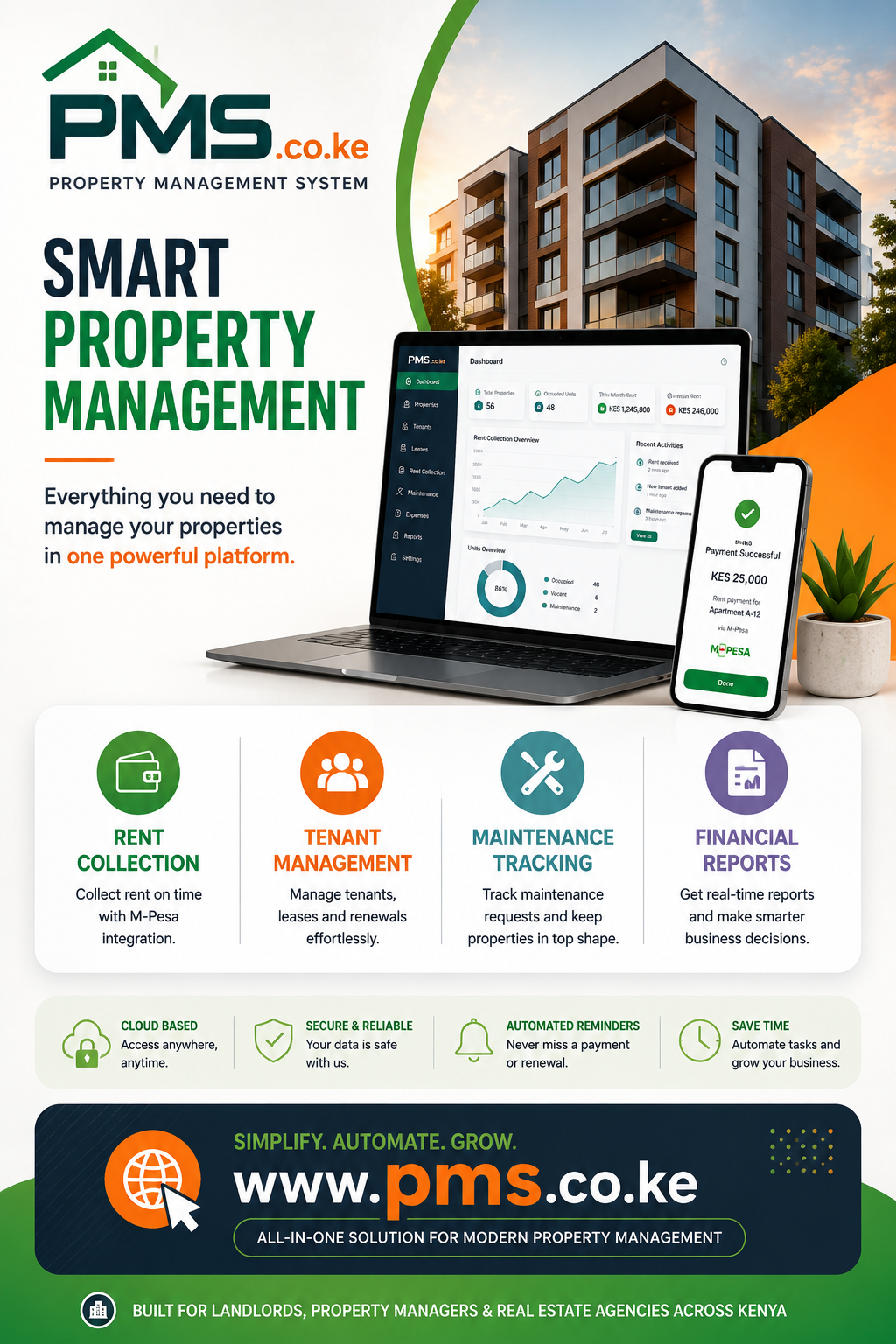
Property Vacancy Management System is a critical solution for property managers, landlords, real estate companies, estate managers, and property owners seeking to efficiently track vacant units, reduce occupancy gaps, improve leasing performance, and maximize rental income.
Managing vacancies effectively is one of the most important aspects of successful property management. Every vacant unit represents potential lost revenue, making it essential for property managers to quickly identify available units, coordinate inspections, market properties, process applications, and onboard new tenants efficiently.
As property portfolios grow, managing vacancies manually becomes increasingly difficult. Spreadsheets, paper records, phone calls, and disconnected systems often create delays that extend vacancy periods and reduce profitability.
Modern Property Vacancy Management System software centralizes vacancy tracking and leasing workflows into a single platform. Property managers gain visibility into unit availability, leasing activities, maintenance requirements, tenant transitions, and occupancy performance across their entire portfolio.
In Kenya, the demand for residential apartments, gated communities, commercial properties, student housing, and mixed-use developments continues to rise. Property managers require efficient systems that help reduce vacancy periods while maintaining organized leasing operations.
Property Vacancy Management System provides the automation, visibility, and operational control necessary to maximize occupancy rates and improve property performance.
Table of Contents
- Understanding Property Vacancy Management System
- Why Property Vacancy Management System Matters
- Core Features of Property Vacancy Management System
- Vacancy Tracking and Unit Availability Management
- Tenant Turnover and Leasing Workflows
- Property Marketing and Applicant Management
- Reporting and Occupancy Analytics
- Challenges of Traditional Methods
Understanding Property Vacancy Management System
Property Vacancy Management System is a software platform designed to help property managers monitor, manage, and reduce vacancies across residential, commercial, and mixed-use properties.
Vacancy management involves much more than simply identifying empty units. Property managers must coordinate move-outs, inspections, maintenance activities, cleaning schedules, marketing efforts, applicant screening, lease preparation, and tenant onboarding.
Without an organized system, these activities can become fragmented and difficult to manage.
Property Vacancy Management System centralizes vacancy-related processes within a single platform. This enables property managers to monitor unit status in real time while ensuring all leasing and turnover activities are completed efficiently.
The software helps create structured workflows that reduce delays between tenant move-out and new tenant occupancy.
In Kenya’s competitive rental market, minimizing vacancy periods is critical for maintaining profitability. Every additional day a unit remains vacant can affect revenue performance and overall property returns.
Property Vacancy Management System provides the operational framework needed to manage vacancies proactively rather than reactively.
As portfolios expand, the importance of automated vacancy management becomes increasingly apparent.
Why Property Vacancy Management System Matters
Vacancies directly impact property income and operational performance.
Property Vacancy Management System helps property managers minimize revenue losses by reducing the time required to transition units between tenants.
One of the primary advantages of the platform is visibility. Managers can instantly identify available units, upcoming vacancies, pending applications, and leasing activities.
This visibility enables faster decision-making and more efficient resource allocation.
Property Vacancy Management System also improves operational consistency. Standardized vacancy workflows ensure inspections, repairs, marketing activities, and leasing processes are completed according to established procedures.
Automation further improves efficiency by reducing manual administrative tasks.
The platform supports better communication among property managers, maintenance teams, leasing agents, and property owners.
For Kenyan property management companies, reducing vacancy periods can significantly improve financial performance and portfolio profitability.
Property Vacancy Management System helps organizations achieve this goal while maintaining organized and professional leasing operations.
As competition for tenants increases, effective vacancy management becomes a key differentiator in the property management industry.
Core Features of Property Vacancy Management System
A comprehensive Property Vacancy Management System includes several features designed to streamline vacancy tracking and occupancy management.
Unit availability management allows property managers to monitor vacant, occupied, reserved, and pending units in real time.
Vacancy tracking tools help administrators identify upcoming move-outs and prepare units for new tenants efficiently.
Leasing workflow automation supports application processing, screening, approvals, lease preparation, and onboarding procedures.
Maintenance coordination features ensure vacant units are inspected, repaired, cleaned, and prepared for occupancy promptly.
Marketing management tools help property managers advertise available units and track lead generation activities.
Applicant management capabilities centralize prospect information, application status, communication records, and approval workflows.
Document management functionality stores lease agreements, inspection reports, tenant records, and vacancy-related documentation.
Reporting and analytics tools provide visibility into occupancy rates, vacancy durations, leasing performance, and portfolio trends.
Together, these capabilities make Property Vacancy Management System an essential solution for modern property management organizations.
Vacancy Tracking and Unit Availability Management
Accurate vacancy tracking is fundamental to successful property operations.
Property Vacancy Management System provides real-time visibility into unit availability across an entire property portfolio.
Managers can instantly identify vacant units, scheduled move-outs, reserved units, and upcoming lease expirations.
The platform helps ensure vacancy information remains accurate and accessible to all relevant stakeholders.
Property Vacancy Management System also supports vacancy forecasting by identifying units that may become available in the near future.
This visibility allows property managers to begin marketing and preparation activities before vacancies occur.
Unit availability dashboards help leasing teams prioritize efforts and focus on reducing vacancy durations.
Maintenance teams can also coordinate inspections, repairs, and cleaning activities more effectively.
For apartment complexes, gated communities, commercial buildings, and mixed-use developments throughout Kenya, accurate vacancy tracking significantly improves operational efficiency.
Property Vacancy Management System ensures managers maintain complete awareness of occupancy status across their properties.
Tenant Turnover and Leasing Workflows
Tenant turnover represents a critical transition period that directly affects occupancy performance.
Property Vacancy Management System streamlines turnover processes by creating structured workflows for move-outs, inspections, maintenance, marketing, leasing, and move-ins.
When a tenant provides notice, the system can automatically initiate vacancy preparation procedures.
Property managers can schedule inspections, assign maintenance tasks, and coordinate cleaning services through predefined workflows.
Property Vacancy Management System helps ensure all turnover activities are completed efficiently and consistently.
The platform also supports lease administration by managing application reviews, approvals, lease generation, and tenant onboarding.
Automated notifications help keep staff members informed regarding pending responsibilities and upcoming deadlines.
By reducing delays between move-out and move-in activities, organizations can significantly improve occupancy rates.
For property managers overseeing large portfolios, automated turnover workflows reduce administrative complexity while improving operational consistency.
Property Vacancy Management System helps create a seamless transition process that minimizes vacancy periods and maximizes rental income.
Property Marketing and Applicant Management
Attracting qualified tenants is essential for maintaining high occupancy rates.
Property Vacancy Management System supports marketing and applicant management activities by centralizing lead tracking and leasing workflows.
Property managers can maintain organized records of prospective tenants, inquiries, property viewings, and application submissions.
The platform helps ensure that no leasing opportunities are overlooked due to disorganized communication or fragmented processes.
Property Vacancy Management System also supports applicant screening workflows that improve consistency and efficiency.
Application status updates, approval processes, and communication activities can all be managed within a centralized environment.
Marketing efforts become more effective because managers gain visibility into vacancy demand, applicant conversion rates, and leasing performance.
For property owners operating in Kenya’s growing rental market, these capabilities help improve occupancy outcomes and reduce revenue loss caused by prolonged vacancies.
Property Vacancy Management System creates a more structured and professional leasing experience for both managers and prospective tenants.
Reporting and Occupancy Analytics
Data-driven decision-making is essential for effective vacancy management.
Property Vacancy Management System includes reporting and analytics tools that help managers evaluate occupancy performance and identify opportunities for improvement.
Occupancy reports provide visibility into filled units, vacant units, turnover rates, and portfolio utilization.
Vacancy duration reports help managers identify properties or units that remain vacant for extended periods.
Leasing performance analytics reveal trends related to applications, approvals, move-ins, and tenant retention.
Property Vacancy Management System also provides insights into revenue impact associated with vacancy periods.
Operational dashboards offer real-time visibility into leasing activities, turnover workflows, maintenance preparation, and occupancy performance.
For property managers operating multiple locations throughout Kenya, centralized reporting simplifies portfolio oversight and strategic planning.
These insights support more informed decisions regarding pricing, marketing strategies, maintenance investments, and operational improvements.
Property Vacancy Management System transforms occupancy data into actionable intelligence that helps maximize property performance.
Challenges of Traditional Methods
Many property managers still rely on spreadsheets, manual records, phone calls, and disconnected systems to manage vacancies.
While these approaches may work for small portfolios, they often become inefficient as operations grow.
Manual vacancy tracking can result in inaccurate occupancy records, delayed leasing activities, and missed revenue opportunities.
Communication gaps frequently occur when information is stored across multiple systems or handled through informal processes.
Tenant turnover activities may become disorganized, leading to longer vacancy periods and reduced operational efficiency.
Marketing efforts can also suffer when vacancy information is not updated promptly or shared consistently.
Without centralized reporting, managers may struggle to identify trends affecting occupancy performance.
Property Vacancy Management System addresses these challenges by centralizing vacancy management, automating workflows, improving visibility, and supporting data-driven decision-making.
For landlords, property managers, estate managers, and real estate firms throughout Kenya, adopting Property Vacancy Management System is becoming increasingly important for maintaining competitiveness and maximizing rental income.
RentalDesk helps organizations achieve these goals by combining vacancy tracking, leasing management, tenant administration, maintenance coordination, reporting, and operational visibility within a unified platform designed for modern property management.
Benefits for Property Managers
Property Vacancy Management System provides significant advantages for property managers seeking to improve occupancy rates, reduce vacancy durations, and streamline leasing operations.
One of the primary benefits is centralized vacancy visibility. Instead of relying on spreadsheets, manual records, and disconnected communication channels, property managers can monitor all vacant and upcoming available units through a single platform.
Property Vacancy Management System helps managers identify vacancy trends, prioritize leasing activities, and coordinate turnover processes more efficiently.
The platform reduces administrative workloads by automating routine tasks associated with vacancy tracking, inspections, maintenance scheduling, applicant management, and tenant onboarding.
Property managers also benefit from improved accountability because every vacancy-related activity can be tracked and monitored through structured workflows.
As property portfolios grow, Property Vacancy Management System enables organizations to maintain operational efficiency without significantly increasing administrative complexity.
For property management firms throughout Kenya, reducing vacancy periods can have a direct impact on revenue performance and portfolio profitability.
Organizations that implement Property Vacancy Management System often experience improved leasing efficiency, stronger operational control, and higher occupancy rates.
Benefits for Property Owners
Property owners benefit from increased transparency, improved asset performance, and enhanced revenue management through Property Vacancy Management System.
The platform provides clear visibility into occupancy levels, vacancy durations, leasing activities, turnover processes, and property performance metrics.
Property Vacancy Management System helps owners understand how vacancies affect portfolio profitability and operational efficiency.
The software also improves accountability by documenting vacancy-related activities and maintaining detailed records of inspections, maintenance work, marketing efforts, and leasing outcomes.
Property owners gain access to reporting tools that support informed decision-making regarding pricing strategies, property improvements, and investment planning.
The platform helps ensure vacant units are returned to revenue-generating status as quickly as possible.
For investors and property owners managing residential apartments, commercial buildings, mixed-use developments, and gated communities throughout Kenya, Property Vacancy Management System provides valuable operational oversight.
These capabilities contribute to stronger financial performance and more efficient portfolio management.
Benefits for Tenants
Tenants benefit indirectly but significantly from the structured processes enabled by Property Vacancy Management System.
One of the most important advantages is a smoother leasing experience. Prospective tenants can move through application, approval, lease preparation, and move-in processes more efficiently.
Property Vacancy Management System helps ensure units are properly prepared before occupancy, reducing the likelihood of unresolved maintenance issues during move-in.
The platform also improves communication between property managers and prospective tenants by centralizing leasing workflows and status updates.
New tenants benefit from faster onboarding procedures and more organized property management practices.
Property Vacancy Management System supports consistent service delivery because property managers can follow standardized processes for every vacancy and occupancy transition.
For renters seeking apartments, houses, commercial units, or office spaces in Kenya, these improvements create a more professional and reliable leasing experience.
As tenant expectations continue to increase, efficient vacancy management becomes an important contributor to overall satisfaction.
Property Vacancy Management System helps property managers deliver a higher standard of service from the very beginning of the tenant relationship.
Improving Efficiency Through Automation
Automation is one of the most valuable capabilities offered by Property Vacancy Management System.
Traditional vacancy management often involves spreadsheets, paper records, manual follow-ups, phone calls, and repetitive administrative work.
These methods consume significant time and frequently introduce delays that extend vacancy periods.
Property Vacancy Management System automates vacancy tracking, turnover coordination, maintenance scheduling, marketing workflows, applicant management, and tenant onboarding processes.
The platform continuously monitors vacancy status and automatically initiates predefined actions when specific conditions are met.
Automated notifications ensure staff members remain informed regarding inspections, maintenance requirements, leasing activities, and move-in schedules.
Property Vacancy Management System also improves workflow consistency by ensuring operational procedures are followed across all properties.
As portfolios expand, automation enables property managers to maintain efficiency while controlling administrative costs.
For property management organizations throughout Kenya, automation supports faster occupancy transitions, improved resource allocation, and enhanced service quality.
Property Vacancy Management System transforms vacancy management from a reactive process into a proactive and highly organized operation.
Compliance, Security, and Risk Management
Maintaining accurate records and structured operational processes is essential for professional property management.
Property Vacancy Management System supports compliance objectives by documenting vacancy-related activities and maintaining centralized operational records.
The platform stores information related to inspections, maintenance work, applications, lease agreements, communications, and occupancy transitions.
These records support audits, dispute resolution, operational reviews, and internal accountability requirements.
Property Vacancy Management System also enhances security by controlling access to sensitive information and maintaining structured authorization procedures.
Automated workflows help ensure policies and procedures are applied consistently across all vacancy management activities.
Risk management improves because property managers gain visibility into operational bottlenecks, delayed turnover activities, prolonged vacancies, and unresolved maintenance concerns.
Potential issues can be identified and addressed before they significantly affect occupancy performance.
For landlords, property managers, and real estate firms operating throughout Kenya, these capabilities support more reliable and professional property operations.
Property Vacancy Management System provides a structured framework for reducing operational risk while improving efficiency.
Why RentalDesk Is the Ideal Solution
RentalDesk is designed to help property managers, landlords, estate managers, real estate companies, and property owners maximize occupancy and streamline vacancy management processes.
Property Vacancy Management System becomes significantly more effective when integrated with tenant management, leasing administration, maintenance coordination, rent collection, and reporting capabilities.
RentalDesk combines all these functions within a unified property management platform.
The system supports vacancy tracking, applicant management, tenant onboarding, maintenance workflows, lease administration, financial management, and operational reporting.
RentalDesk helps organizations reduce vacancy periods by providing complete visibility into unit availability and turnover activities.
Property Vacancy Management System powered by RentalDesk enables managers to coordinate leasing operations efficiently while maintaining strong operational control.
For property management businesses operating throughout Kenya, RentalDesk offers a scalable solution capable of supporting both small and large portfolios.
By centralizing vacancy management and automating repetitive processes, RentalDesk helps organizations improve occupancy rates, increase revenue performance, and support sustainable growth.
The platform serves as a comprehensive operational foundation for modern property management.
Future Trends
The future of vacancy management will be increasingly influenced by automation, artificial intelligence, predictive analytics, and cloud technologies.
Property Vacancy Management System solutions are expected to become more intelligent and proactive in identifying opportunities to reduce vacancy durations.
Artificial intelligence may help predict tenant turnover, recommend pricing adjustments, optimize marketing strategies, and improve applicant screening processes.
Cloud-based deployment models will continue gaining popularity because they provide greater accessibility, flexibility, and scalability.
Advanced analytics tools will enable deeper insights into occupancy performance, tenant behavior, leasing trends, and portfolio utilization.
As Kenya’s property market continues to evolve, property managers will require increasingly sophisticated systems capable of managing larger and more diverse portfolios.
Enhanced tenant self-service capabilities are also expected to improve leasing experiences and accelerate occupancy transitions.
Property Vacancy Management System will remain a critical component of successful property management operations as organizations continue seeking greater efficiency and profitability.
Businesses that embrace these innovations early will gain important competitive advantages.
Getting Started
Implementing Property Vacancy Management System begins with evaluating existing vacancy management processes and identifying opportunities for improvement.
Property managers should assess vacancy tracking procedures, turnover workflows, leasing operations, maintenance coordination methods, marketing activities, and reporting requirements.
A successful implementation typically involves centralizing occupancy information and establishing standardized workflows for vacancy-related activities.
Organizations should define occupancy objectives and performance targets before deployment.
Staff training is also important to ensure teams can effectively utilize vacancy tracking tools, dashboards, and reporting features.
Property Vacancy Management System delivers the greatest value when implemented as part of a broader strategy focused on occupancy optimization and operational efficiency.
For organizations seeking a complete solution, RentalDesk offers integrated capabilities that support vacancy tracking, tenant management, leasing administration, maintenance coordination, rent collection, reporting, and operational visibility.
By adopting Property Vacancy Management System, property managers can reduce vacancy durations, improve occupancy rates, increase revenue performance, and create a scalable foundation for long-term growth.
