
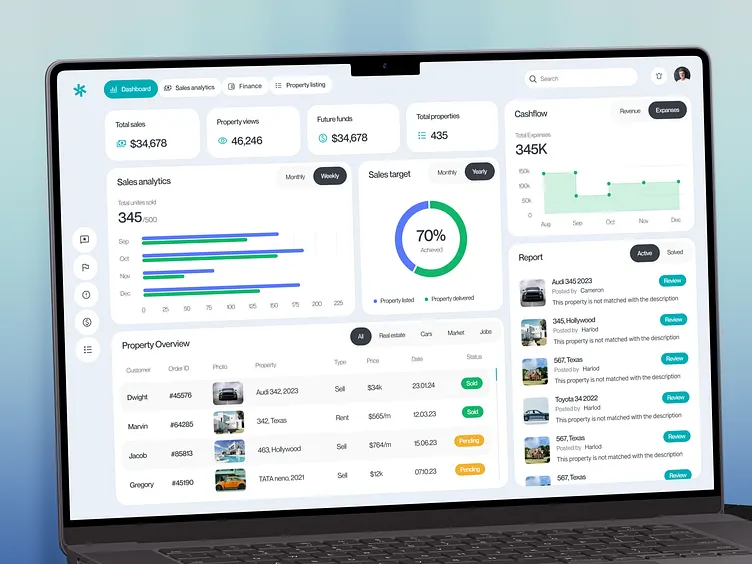
Real Estate Management Software: The Ultimate Solution for Property Managers and Landlords
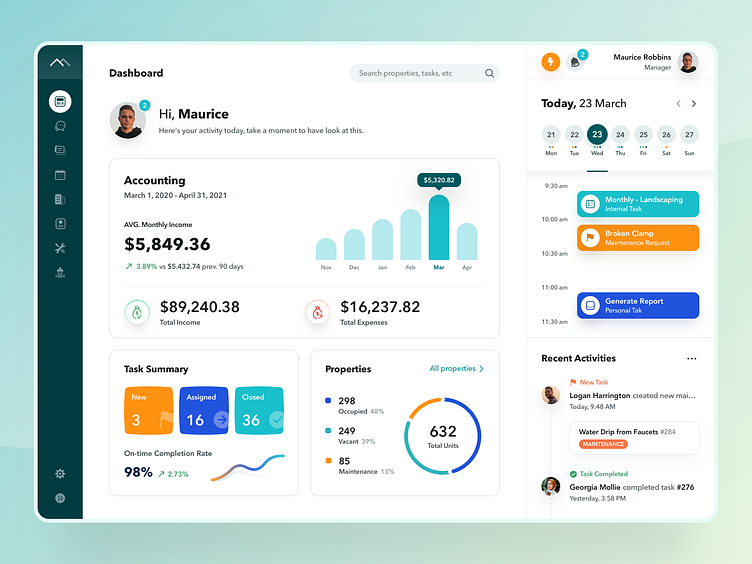


Introduction to Real Estate Management Software
In today’s fast-paced property market, real estate management software has become an essential tool for landlords, property managers, real estate agencies, and investors. Managing multiple properties manually can be time-consuming, prone to errors, and inefficient. Modern digital solutions simplify these processes by automating tasks such as tenant management, rent collection, maintenance tracking, financial reporting, and property marketing.
Real estate management software provides a centralized platform where property professionals can monitor and control every aspect of their real estate operations. Whether you manage residential apartments, commercial buildings, or rental units, this software helps streamline workflows and improve efficiency.
With the growing demand for property rental and real estate investments worldwide, adopting real estate management software is no longer optional—it is a competitive necessity.
What is Real Estate Management Software?
Real estate management software is a digital platform designed to help property managers, landlords, and real estate professionals manage properties efficiently. It automates administrative tasks and centralizes data related to tenants, leases, payments, maintenance, and reporting.
Instead of relying on spreadsheets, paperwork, or disconnected systems, real estate professionals can manage everything from a single dashboard.
The software typically includes modules for:
-
Property listings and management
-
Tenant and lease tracking
-
Rent payment processing
-
Maintenance request handling
-
Financial accounting
-
Reporting and analytics
-
Document management
By integrating these functions, property management becomes simpler, faster, and more accurate.
Key Features of Real Estate Management Software
1. Property and Unit Management
One of the most important features of real estate management software is property organization. Property managers can easily add and manage multiple properties, buildings, or units within the system.
This feature allows users to:
-
Track property details
-
Monitor occupancy rates
-
Manage rental pricing
-
Organize property documents
-
View property performance metrics
Having all property data centralized helps managers make informed decisions quickly.
2. Tenant and Lease Management
Tenant management is a core component of property operations. Real estate management software enables managers to store tenant profiles, lease agreements, and communication records.
Key tenant management capabilities include:
-
Tenant registration and profiles
-
Lease contract tracking
-
Move-in and move-out management
-
Tenant communication tools
-
Automated reminders for lease renewals
This reduces administrative work and ensures that tenant information is always organized and accessible.
3. Rent Collection and Payment Automation
Manual rent collection can be challenging and inefficient. Real estate management software automates rent payment processes, allowing tenants to pay online through various payment methods.
Benefits of automated rent collection include:
-
Online payment portals
-
Automatic payment reminders
-
Payment tracking
-
Late fee automation
-
Financial transparency
Automated systems also reduce payment delays and improve cash flow management.
4. Maintenance and Repair Management
Property maintenance is an ongoing responsibility for landlords and property managers. With real estate management software, maintenance requests can be submitted, tracked, and resolved efficiently.
Maintenance management features include:
-
Tenant maintenance request portals
-
Work order tracking
-
Vendor and contractor management
-
Maintenance scheduling
-
Repair cost tracking
This improves property upkeep and enhances tenant satisfaction.
5. Financial Reporting and Accounting
Financial management is crucial for property owners and real estate agencies. Real estate management software provides detailed financial reports that help track income, expenses, and profitability.
Common financial reports include:
-
Rent collection reports
-
Profit and loss statements
-
Expense tracking
-
Tax preparation reports
-
Property performance analytics
These reports allow investors and property managers to evaluate the financial health of their properties.
6. Document and Contract Management
Managing lease agreements, contracts, and legal documents can be overwhelming without proper organization. Real estate management software provides secure digital storage for all property-related documents.
Users can:
-
Upload lease agreements
-
Store tenant identification documents
-
Manage legal contracts
-
Share documents securely
-
Access documents anytime
This reduces paperwork and ensures important documents are never lost.
Benefits of Using Real Estate Management Software
Improved Efficiency
By automating routine tasks such as rent collection, tenant communication, and maintenance tracking, real estate management software saves valuable time for property managers.
Better Tenant Experience
Tenants benefit from online portals where they can pay rent, submit maintenance requests, and communicate with property managers easily.
Accurate Financial Tracking
The software helps property managers monitor income, expenses, and financial performance in real time, reducing accounting errors.
Scalability
Whether managing one property or hundreds, real estate management software scales easily to accommodate growing portfolios.
Enhanced Data Security
Digital systems provide secure data storage and backups, protecting sensitive tenant and financial information.
Who Should Use Real Estate Management Software?
Real estate management software is suitable for a wide range of users, including:
Property Managers
Professional property managers handling multiple rental properties can use the software to streamline operations and improve efficiency.
Real Estate Agencies
Agencies managing property listings and rental units can organize their operations using integrated management tools.
Landlords
Individual landlords with multiple properties can automate rent collection, tenant communication, and maintenance management.
Real Estate Investors
Investors managing large property portfolios can use the software to monitor performance and maximize profitability.
Cloud-Based Real Estate Management Software
Many modern real estate management software platforms are cloud-based, meaning users can access them from any device with an internet connection.
Benefits of cloud-based systems include:
-
Remote access
-
Automatic updates
-
Data backups
-
Multi-user collaboration
-
Reduced IT costs
Cloud technology allows property managers to manage operations anytime and anywhere.
How to Choose the Best Real Estate Management Software
Selecting the right real estate management software depends on several factors. Before choosing a platform, consider the following:
Ease of Use
The software should have an intuitive interface that is easy for both managers and tenants to use.
Customization
Different property businesses have different needs. Choose software that allows customization of workflows and reports.
Integration Capabilities
The system should integrate with accounting software, payment gateways, and other tools.
Security
Ensure the platform provides strong data security and backup systems.
Customer Support
Reliable technical support is essential for resolving issues quickly.
The Future of Real Estate Management Software
Technology is rapidly transforming the real estate industry. Emerging trends in real estate management software include:
-
Artificial intelligence for property analytics
-
Mobile apps for tenants and managers
-
Smart building integration
-
Automated lease agreements
-
Advanced data analytics
These innovations will continue improving property management efficiency and decision-making.
Conclusion
The real estate industry is becoming increasingly digital, and real estate management software plays a critical role in modern property operations. By automating tasks such as tenant management, rent collection, maintenance tracking, and financial reporting, this technology helps property managers operate more efficiently and profitably.
Whether you are a landlord managing a few rental units or a large real estate agency overseeing hundreds of properties, adopting real estate management software can significantly improve productivity, tenant satisfaction, and financial performance.
As property markets continue to expand, investing in the right real estate management software will give property professionals the tools they need to stay competitive in an evolving industry.
