
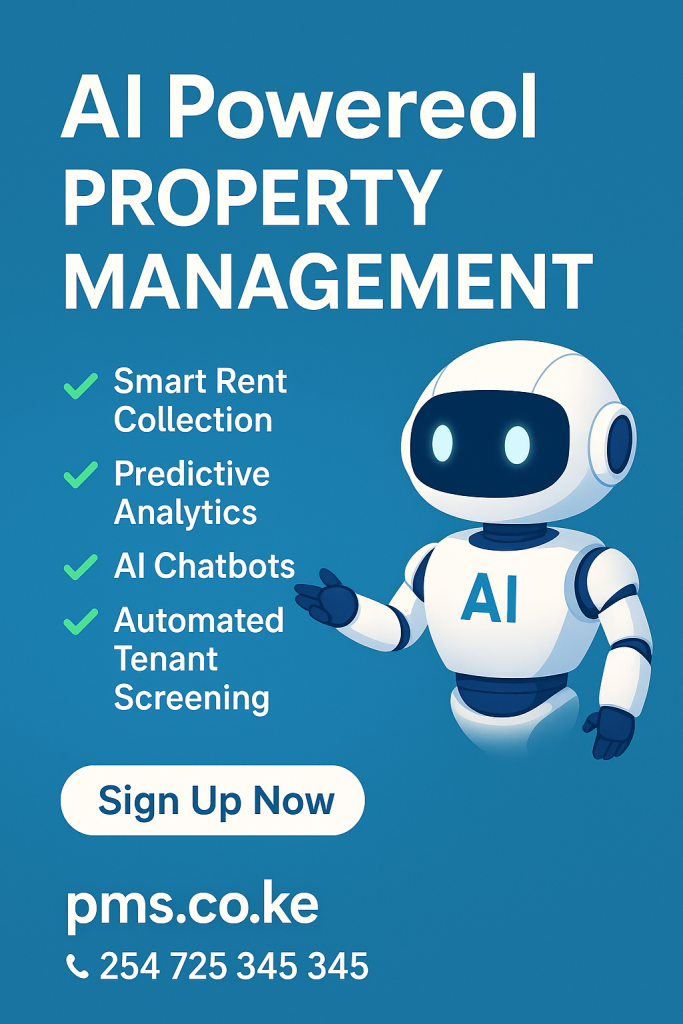

Property Management System for Multi-Family Units: The Complete Guide
Managing multi-family rental properties can be complex. From collecting rent to handling maintenance requests and ensuring tenant satisfaction, property managers face numerous challenges. A property management system for multi-family units is designed to simplify these tasks, save time, reduce errors, and enhance tenant experiences.
In this guide, we will explore the benefits, features, and best practices of using a property management system specifically for multi-family properties.
What Is a Property Management System for Multi-Family Units?
A property management system (PMS) for multi-family units is software designed to automate and streamline operations for apartment complexes, condominiums, and other multi-family properties. Unlike single-family property software, a multi-family PMS handles the unique demands of managing several units under one roof.
Key functions typically include:
-
Tenant Management: Track applications, leases, and communication with multiple tenants.
-
Rent Collection: Automate online rent payments, late fee calculations, and reminders.
-
Maintenance Requests: Organize and assign maintenance tasks, track completion, and communicate updates.
-
Financial Reporting: Generate reports for occupancy, revenue, expenses, and accounting.
-
Communication Tools: Email, SMS, or in-app messaging for tenant engagement.
A robust PMS ensures that property managers spend less time on administrative tasks and more time growing their portfolio.
Why Multi-Family Units Need a Dedicated Property Management System
Managing multiple units comes with unique challenges:
-
High Volume of Tenants: Multi-family properties have numerous tenants with diverse needs, making manual management inefficient.
-
Complex Financial Tracking: Different units may have varied rent amounts, payment schedules, and maintenance costs.
-
Maintenance Coordination: Quick and efficient maintenance tracking is essential to keep tenants satisfied.
-
Regulatory Compliance: Multi-family properties must adhere to local housing laws, safety codes, and lease agreements.
-
Tenant Retention: Happy tenants are more likely to renew leases, reducing vacancy rates.
A specialized PMS helps address these challenges, improving operational efficiency and tenant satisfaction.
Key Features of a Property Management System for Multi-Family Units
When selecting a PMS for multi-family properties, consider these essential features:
1. Centralized Tenant Database
All tenant information, including lease agreements, payment history, and contact details, is stored in one centralized platform.
2. Automated Rent Collection
Collect rent online, send automatic reminders, and calculate late fees to streamline revenue management.
3. Maintenance and Work Order Management
Tenants can submit maintenance requests online. Managers can assign tasks to contractors and track progress in real-time.
4. Financial and Accounting Tools
Generate detailed financial reports for income, expenses, and occupancy rates. Integration with accounting software can simplify tax preparation.
5. Online Leasing and Applications
Accept digital applications, screen tenants, and sign leases online, reducing paperwork and speeding up the leasing process.
6. Communication and Notifications
Engage tenants through emails, texts, or in-app messages for announcements, payment reminders, or maintenance updates.
7. Mobile Accessibility
Modern PMS platforms offer mobile apps for managers and tenants, allowing operations to continue seamlessly on-the-go.
8. Compliance and Documentation
Ensure all leases, notices, and documents are stored digitally for quick retrieval and legal compliance.
Benefits of Using a Property Management System for Multi-Family Units
Investing in a PMS for multi-family units offers several advantages:
1. Increased Efficiency
Automated workflows reduce manual data entry, scheduling conflicts, and human errors.
2. Enhanced Tenant Experience
Quick responses to maintenance requests, online payment options, and streamlined communication increase tenant satisfaction.
3. Improved Financial Management
Track rent payments, expenses, and budgeting effortlessly, enabling better financial decision-making.
4. Reduced Vacancies
Efficient leasing and tenant engagement reduce turnover and vacancy rates.
5. Data-Driven Decisions
Generate detailed analytics on occupancy, rent trends, and maintenance costs to inform strategic decisions.
6. Scalability
A PMS grows with your portfolio, whether you manage 50 units or 500 units.
How to Choose the Right Property Management System for Multi-Family Units
Selecting the ideal PMS requires careful evaluation:
-
Assess Your Needs: Determine the number of units, types of tenants, and required features.
-
Ease of Use: Choose software that is intuitive for both managers and tenants.
-
Integration Options: Ensure compatibility with accounting software, CRM systems, and payment gateways.
-
Customization: Look for a system that can adapt to your property’s unique workflows.
-
Support and Training: Reliable customer support and onboarding assistance are crucial.
-
Pricing: Compare subscription plans and feature availability to get the best value.
Top Trends in Multi-Family Property Management Systems
The industry is evolving rapidly. Key trends include:
-
AI and Automation: Predictive analytics for rent pricing and maintenance scheduling.
-
Tenant Portals: Self-service portals for payments, requests, and communication.
-
Mobile-First Solutions: Apps that allow managers and tenants to access the system anywhere.
-
IoT Integration: Smart devices for energy management, security, and maintenance alerts.
-
Sustainability Tracking: Systems that track energy and water usage across units.
Common Challenges and How a PMS Solves Them
| Challenge | PMS Solution |
|---|---|
| Late Rent Payments | Automated reminders, online payment options, and recurring billing. |
| Maintenance Delays | Real-time work order tracking and contractor management. |
| Lease Management | Digital lease signing, storage, and compliance tracking. |
| Tenant Communication | Centralized messaging system and notifications. |
| Financial Reporting | Automated accounting reports and dashboard analytics. |
Implementation Best Practices
Successfully implementing a PMS involves:
-
Data Migration: Transfer existing tenant and financial data carefully.
-
Staff Training: Ensure property managers and staff are comfortable using the system.
-
Tenant Onboarding: Introduce tenants to online portals and payment methods.
-
Regular Updates: Keep the system updated to utilize new features and maintain security.
-
Performance Monitoring: Regularly track KPIs like occupancy, rent collection rates, and maintenance response times.
FAQs About Property Management Systems for Multi-Family Units
Q1: Can a PMS handle multiple properties at once?
Yes, most modern PMS platforms can manage several multi-family properties under one account.
Q2: Is online rent collection secure?
Absolutely. Reputable systems use encryption and secure payment gateways to protect financial data.
Q3: Can tenants submit maintenance requests online?
Yes, digital request submission allows tenants to report issues anytime, improving response times.
Q4: Do PMS platforms support mobile devices?
Most systems offer mobile apps for both managers and tenants, ensuring accessibility anywhere.
Q5: How much does a PMS cost for multi-family units?
Costs vary depending on features, number of units, and subscription models. Many systems offer tiered pricing for small to large portfolios.
Conclusion
is no longer a luxury—it’s a necessity. By automating routine tasks, improving tenant communication, and providing actionable insights, a PMS empowers property managers to efficiently operate multi-family properties while maximizing profitability and tenant satisfaction.
