
Property Lease Monitoring Software
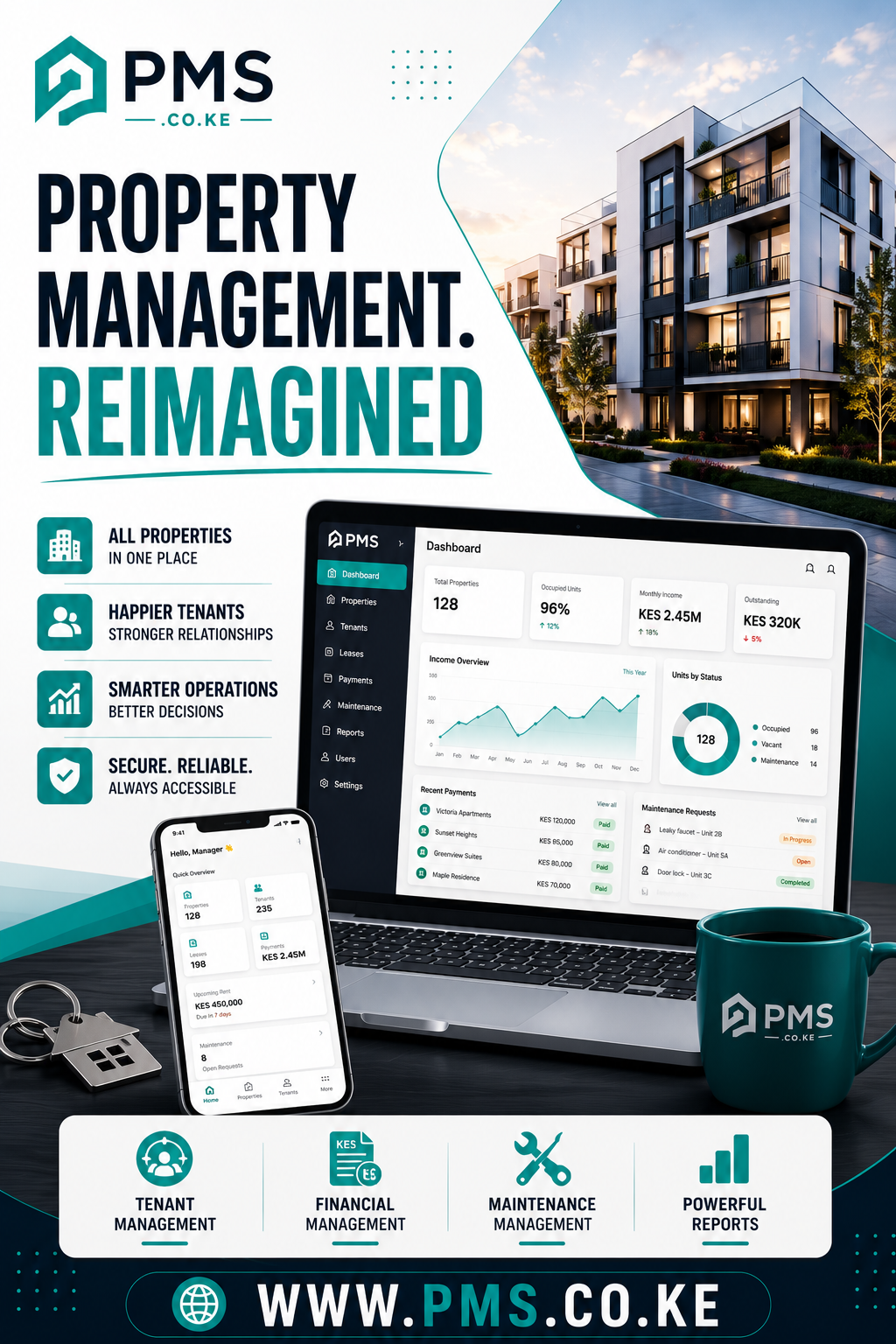
Property Lease Monitoring Software has become an essential technology for landlords, property management companies, real estate investors, commercial property owners, and housing associations seeking to manage lease agreements more effectively. As property portfolios grow, manually tracking lease start dates, expiry dates, rent reviews, tenant obligations, and renewal schedules becomes increasingly difficult and prone to costly errors.
Many property managers still rely on spreadsheets, paper files, calendars, and manual reminders to manage lease agreements. While these methods may work for a small number of properties, they quickly become inefficient as portfolios expand. Missed lease renewals, delayed rent reviews, expired contracts, inaccurate tenant records, and inconsistent communication can negatively impact rental income and tenant satisfaction.
A modern Property Lease Monitoring Software platform centralizes every aspect of lease administration. Property managers can monitor active leases, automate reminders, manage renewals, track occupancy, store lease documents, monitor compliance, and generate reports from one centralized dashboard.
Across Kenya, the real estate sector continues to grow with increasing investments in residential apartments, commercial buildings, mixed-use developments, office parks, student accommodation, and gated communities. Implementing Property Lease Monitoring Software enables property owners and managers to improve operational efficiency, reduce administrative work, strengthen tenant relationships, and maximize property performance.
Table of Contents
- Understanding Lease Monitoring
- Why Digital Lease Management Matters
- Key Features of Modern Software
- Common Lease Management Challenges
- Industries That Benefit
- How Lease Monitoring Software Works
- Choosing the Right Solution
Understanding Lease Monitoring
Managing lease agreements involves much more than recording tenant names and monthly rent. Every lease includes important dates, financial obligations, legal conditions, renewal clauses, notice periods, rent escalation schedules, maintenance responsibilities, deposits, and supporting documentation.
Property Lease Monitoring Software provides a structured digital environment where every lease is securely stored and continuously monitored throughout its lifecycle. Instead of searching through paper files or manually checking spreadsheets, property managers can instantly access complete lease information from any location.
The software automatically tracks lease milestones, helping managers stay ahead of upcoming renewals, rent reviews, contract expirations, and compliance requirements. This proactive approach minimizes administrative errors while ensuring that important deadlines are never overlooked.
Whether managing residential apartments, office buildings, shopping centres, warehouses, or mixed-use developments, centralized lease monitoring simplifies property administration and improves decision-making.
Why Digital Lease Management Matters
As property portfolios expand, manual lease administration becomes increasingly inefficient.
Property Lease Monitoring Software enables landlords and property managers to automate routine administrative tasks while maintaining complete visibility over every active lease.
Instead of relying on calendar reminders or manual follow-ups, the software automatically notifies managers about upcoming lease expirations, renewal opportunities, rent adjustments, and tenant obligations.
Digital lease management also improves communication with tenants by ensuring timely notifications regarding lease renewals, rent changes, inspection schedules, and contract updates.
For property management companies operating multiple residential and commercial developments across Kenya, centralized lease administration reduces workload while improving service quality.
Key Features of Modern Property Lease Monitoring Software
An effective Property Lease Monitoring Software solution combines powerful tools that simplify lease administration while improving operational efficiency.
Centralized Lease Database
Store all lease agreements, tenant records, supporting documents, and contract history within one secure platform.
Automated Renewal Reminders
Receive automatic notifications before leases expire, allowing managers sufficient time to negotiate renewals or prepare units for new tenants.
Lease Expiry Monitoring
Track lease end dates continuously to reduce vacancies and prevent expired agreements.
Digital Document Management
Store lease agreements, amendments, inspection reports, tenant correspondence, and supporting documentation electronically.
Rent Review Management
Monitor scheduled rent reviews and implement approved adjustments without manual tracking.
Occupancy Monitoring
Track occupied, vacant, reserved, and upcoming units across the property portfolio.
Reporting and Analytics
Generate reports covering lease status, upcoming expirations, occupancy rates, renewal performance, and portfolio trends.
Multi-Property Management
Manage leases across multiple residential, commercial, and mixed-use developments from one centralized dashboard.
Common Lease Management Challenges
Property managers frequently encounter challenges when managing large portfolios manually.
Missed lease renewal dates can result in unnecessary vacancies or legal complications.
Paper-based records make it difficult to locate important lease documents quickly.
Manual rent review tracking increases the risk of delayed income adjustments.
Poor communication with tenants may result in misunderstandings regarding lease obligations and renewal processes.
Property Lease Monitoring Software addresses these challenges by centralizing lease administration while automating reminders, reporting, and document management.
The result is greater operational efficiency, improved compliance, and stronger tenant relationships.
Industries That Benefit
A Property Lease Monitoring Software solution supports organizations managing leased properties across various sectors.
Residential Property Management
Apartment managers monitor lease agreements, tenant occupancy, renewals, and rent adjustments efficiently.
Commercial Real Estate
Office buildings, shopping centres, and retail spaces benefit from centralized lease administration and occupancy tracking.
Mixed-Use Developments
Property managers coordinate residential, retail, and commercial lease agreements from one platform.
Student Accommodation
Universities and private accommodation providers manage large numbers of short-term and annual tenancy agreements.
Industrial and Warehouse Facilities
Industrial property owners monitor commercial lease obligations, renewals, and tenant compliance efficiently.
Real Estate Investment Companies
Investors manage multiple property portfolios while monitoring lease performance and occupancy trends.
How Property Lease Monitoring Software Works
Property Lease Monitoring Software centralizes lease administration by storing all lease information within a secure digital platform.
Property managers create lease records containing tenant information, property details, contract dates, rental amounts, payment schedules, renewal conditions, and supporting documents.
The software continuously monitors important dates and automatically generates reminders before lease expirations, rent reviews, inspections, and other contractual milestones.
Managers receive notifications through dashboards, email alerts, or mobile applications, enabling proactive lease management.
Reports provide complete visibility into occupancy, upcoming renewals, lease performance, and property utilization, supporting better operational planning.
Choosing the Right Solution
Selecting the right Property Lease Monitoring Software requires organizations to evaluate functionality, scalability, reporting capabilities, document management, automation features, and integration options.
The ideal platform should support lease tracking, tenant management, rent monitoring, occupancy management, maintenance coordination, financial reporting, and secure document storage.
For property managers operating across Kenya, compatibility with local accounting systems, M-Pesa payment integration, tenant communication tools, and regulatory requirements is equally important.
Solutions such as PMS (Property Management System) combine Property Lease Monitoring Software with tenant management, rent collection, maintenance management, financial reporting, lease administration, occupancy monitoring, and landlord dashboards. This enables property managers to manage every aspect of their real estate operations through one centralized platform.
Benefits for Different Stakeholders
A Property Lease Monitoring Software solution benefits every stakeholder involved in property management. From landlords and property owners to property managers, finance teams, maintenance staff, and tenants, centralized lease monitoring improves communication, accountability, and operational efficiency.
Property Owners
Property owners want confidence that their investments are generating consistent returns while remaining fully occupied. Property Lease Monitoring Software gives owners complete visibility into lease performance, occupancy rates, upcoming renewals, rental income, and vacant units through real-time dashboards and reports.
Instead of relying on manual updates or paper records, owners can quickly review the status of every lease within their portfolio. They can identify properties approaching lease expiry, monitor rent escalation schedules, and make strategic investment decisions using accurate data.
For investors managing multiple residential or commercial properties across Kenya, this level of visibility supports better financial planning and long-term portfolio growth.
Property Managers
Managing dozens or hundreds of leases manually can become overwhelming. A Property Lease Monitoring Software platform simplifies lease administration by centralizing all lease information in one place.
Property managers can monitor lease start dates, expiry dates, rent review schedules, notice periods, and renewal opportunities without relying on spreadsheets or physical files.
Automated reminders reduce the risk of missed deadlines, while centralized dashboards provide an instant overview of lease activity across the entire portfolio. This allows managers to focus more on tenant relationships and property improvements rather than administrative work.
Finance Teams
Finance departments play a vital role in ensuring rental income is collected accurately and financial records remain up to date.
A Property Lease Monitoring Software solution supports finance teams by linking lease information with rental charges, payment schedules, rent escalations, deposits, and outstanding balances.
Having access to accurate lease data improves budgeting, forecasting, and financial reporting while reducing the likelihood of billing errors.
Finance teams can also generate reports showing expected rental income, expiring leases, vacant units, and revenue trends, enabling more informed financial decisions.
Maintenance Teams
Lease management is closely connected to property maintenance. Maintenance teams need visibility into tenant occupancy, scheduled inspections, lease renewals, and move-in or move-out dates.
With Property Lease Monitoring Software, maintenance teams receive timely notifications about upcoming lease expirations, allowing them to prepare units for inspections, repairs, renovations, or new occupants.
Improved coordination between property managers and maintenance staff reduces vacancy periods and helps maintain high property standards.
Tenants
Tenants also benefit from a well-managed lease administration process.
A Property Lease Monitoring Software platform improves communication by sending timely reminders regarding lease renewals, rent reviews, inspection schedules, and important tenancy updates.
Tenants experience greater transparency throughout the leasing process, making it easier to renew leases, access important documents, and communicate with property managers.
A more organized leasing experience contributes to higher tenant satisfaction and stronger long-term relationships.
Improving Efficiency Through Automation
Automation is transforming the property management industry by reducing repetitive administrative work and improving operational consistency.
A Property Lease Monitoring Software solution automates many routine lease management activities, including:
- Lease creation
- Renewal reminders
- Rent review notifications
- Lease expiry alerts
- Tenant communication
- Document storage
- Occupancy tracking
- Inspection scheduling
- Reporting
- Workflow approvals
Instead of relying on manual calendars or spreadsheets, property managers receive automatic alerts whenever important lease milestones approach.
Automation also ensures that every lease follows standardized workflows, reducing errors and improving compliance across the organization.
As property portfolios continue growing, automation enables management companies to handle larger numbers of leases without significantly increasing administrative staff.
Improving Portfolio Performance
Every lease contributes to the overall performance of a property portfolio.
Property Lease Monitoring Software provides comprehensive reporting that helps property owners and managers evaluate portfolio health using accurate operational data.
Organizations can monitor:
- Occupancy rates
- Lease renewal rates
- Vacancy periods
- Rental income trends
- Rent escalation schedules
- Tenant retention
- Lease expiry forecasts
- Property performance by location
- Revenue per property
- Portfolio growth
These insights support proactive decision-making while helping organizations maximize rental income and reduce unnecessary vacancies.
Rather than reacting after problems occur, property managers can anticipate changes and implement strategies that improve long-term portfolio performance.
Compliance, Security and Risk Management
Lease agreements contain valuable financial and legal information that must be managed securely.
A modern Property Lease Monitoring Software platform incorporates multiple security features designed to protect property records and tenant information.
These typically include:
- Role-based user permissions
- Secure login authentication
- Encrypted data storage
- Automated document backups
- Digital audit trails
- Activity logging
- Lease version control
- Secure document sharing
- Data recovery tools
- Permission-based access controls
Maintaining complete lease histories also supports compliance with internal policies and legal requirements.
Organizations can quickly retrieve historical lease documents, monitor contract changes, and demonstrate compliance during audits or legal reviews.
For property managers operating across Kenya, secure digital records reduce administrative risk while improving business continuity.
Why PMS is the Ideal Solution
Managing lease agreements effectively requires more than simple document storage. Property managers need an integrated platform capable of managing tenants, finances, maintenance, occupancy, and lease administration from one location.
PMS (Property Management System) combines Property Lease Monitoring Software with tenant management, rent collection, maintenance tracking, financial reporting, occupancy monitoring, landlord dashboards, automated notifications, and comprehensive property analytics.
Instead of using multiple disconnected applications, property managers can oversee every stage of the property lifecycle through one centralized platform.
PMS is suitable for:
- Residential apartment managers
- Commercial property owners
- Real estate investment companies
- Mixed-use developments
- Shopping centres
- Office buildings
- Student accommodation providers
- Industrial property managers
- Housing associations
- Property management firms
Its scalable architecture supports organizations managing a few properties as well as large nationwide portfolios.
Future Trends in Property Lease Monitoring
Technology continues reshaping property management as organizations adopt digital solutions that improve operational efficiency.
Future Property Lease Monitoring Software platforms are expected to include:
- Artificial intelligence for lease forecasting
- Automated lease risk analysis
- Predictive occupancy management
- Digital contract signing
- Cloud-native property management
- Smart tenant communication portals
- Mobile lease management applications
- Advanced portfolio analytics
- IoT-enabled property monitoring
- AI-powered reporting and business intelligence
These innovations will enable property managers to make faster decisions, improve tenant experiences, and maximize portfolio performance.
Organizations that embrace digital transformation today will be better prepared for the future of property management.
Getting Started
Implementing Property Lease Monitoring Software begins with understanding the organization’s property portfolio and operational requirements.
Property managers should evaluate:
- Number of properties
- Number of active leases
- Residential and commercial property mix
- Existing lease management processes
- Financial reporting requirements
- Maintenance workflows
- Tenant communication methods
- Future portfolio expansion plans
Selecting a scalable platform ensures the system continues supporting growth without requiring major operational changes.
Successful implementation should include staff training, lease data migration, document digitization, workflow configuration, and continuous performance monitoring.
Organizations that invest in proper implementation typically achieve higher occupancy rates, improved tenant retention, stronger financial performance, and more efficient property operations.
Conclusion
Property Lease Monitoring Software has become an essential tool for modern property owners and managers seeking to improve lease administration, increase operational efficiency, and maximize property performance.
By automating lease tracking, renewal management, occupancy monitoring, document storage, reporting, and tenant communication, organizations reduce administrative workloads while improving service quality.
For property management companies, landlords, and real estate investors across Kenya, implementing an integrated solution such as PMS provides the technology needed to manage lease agreements professionally while supporting long-term portfolio growth and stronger tenant relationships.
Benefits for Different Stakeholders
A Property Lease Monitoring Software solution benefits every stakeholder involved in property management. From landlords and property owners to property managers, finance teams, maintenance staff, and tenants, centralized lease monitoring improves communication, accountability, and operational efficiency.
Property Owners
Property owners want confidence that their investments are generating consistent returns while remaining fully occupied. Property Lease Monitoring Software gives owners complete visibility into lease performance, occupancy rates, upcoming renewals, rental income, and vacant units through real-time dashboards and reports.
Instead of relying on manual updates or paper records, owners can quickly review the status of every lease within their portfolio. They can identify properties approaching lease expiry, monitor rent escalation schedules, and make strategic investment decisions using accurate data.
For investors managing multiple residential or commercial properties across Kenya, this level of visibility supports better financial planning and long-term portfolio growth.
Property Managers
Managing dozens or hundreds of leases manually can become overwhelming. A Property Lease Monitoring Software platform simplifies lease administration by centralizing all lease information in one place.
Property managers can monitor lease start dates, expiry dates, rent review schedules, notice periods, and renewal opportunities without relying on spreadsheets or physical files.
Automated reminders reduce the risk of missed deadlines, while centralized dashboards provide an instant overview of lease activity across the entire portfolio. This allows managers to focus more on tenant relationships and property improvements rather than administrative work.
Finance Teams
Finance departments play a vital role in ensuring rental income is collected accurately and financial records remain up to date.
A Property Lease Monitoring Software solution supports finance teams by linking lease information with rental charges, payment schedules, rent escalations, deposits, and outstanding balances.
Having access to accurate lease data improves budgeting, forecasting, and financial reporting while reducing the likelihood of billing errors.
Finance teams can also generate reports showing expected rental income, expiring leases, vacant units, and revenue trends, enabling more informed financial decisions.
Maintenance Teams
Lease management is closely connected to property maintenance. Maintenance teams need visibility into tenant occupancy, scheduled inspections, lease renewals, and move-in or move-out dates.
With Property Lease Monitoring Software, maintenance teams receive timely notifications about upcoming lease expirations, allowing them to prepare units for inspections, repairs, renovations, or new occupants.
Improved coordination between property managers and maintenance staff reduces vacancy periods and helps maintain high property standards.
Tenants
Tenants also benefit from a well-managed lease administration process.
A Property Lease Monitoring Software platform improves communication by sending timely reminders regarding lease renewals, rent reviews, inspection schedules, and important tenancy updates.
Tenants experience greater transparency throughout the leasing process, making it easier to renew leases, access important documents, and communicate with property managers.
A more organized leasing experience contributes to higher tenant satisfaction and stronger long-term relationships.
Improving Efficiency Through Automation
Automation is transforming the property management industry by reducing repetitive administrative work and improving operational consistency.
A Property Lease Monitoring Software solution automates many routine lease management activities, including:
- Lease creation
- Renewal reminders
- Rent review notifications
- Lease expiry alerts
- Tenant communication
- Document storage
- Occupancy tracking
- Inspection scheduling
- Reporting
- Workflow approvals
Instead of relying on manual calendars or spreadsheets, property managers receive automatic alerts whenever important lease milestones approach.
Automation also ensures that every lease follows standardized workflows, reducing errors and improving compliance across the organization.
As property portfolios continue growing, automation enables management companies to handle larger numbers of leases without significantly increasing administrative staff.
Improving Portfolio Performance
Every lease contributes to the overall performance of a property portfolio.
Property Lease Monitoring Software provides comprehensive reporting that helps property owners and managers evaluate portfolio health using accurate operational data.
Organizations can monitor:
- Occupancy rates
- Lease renewal rates
- Vacancy periods
- Rental income trends
- Rent escalation schedules
- Tenant retention
- Lease expiry forecasts
- Property performance by location
- Revenue per property
- Portfolio growth
These insights support proactive decision-making while helping organizations maximize rental income and reduce unnecessary vacancies.
Rather than reacting after problems occur, property managers can anticipate changes and implement strategies that improve long-term portfolio performance.
Compliance, Security and Risk Management
Lease agreements contain valuable financial and legal information that must be managed securely.
A modern Property Lease Monitoring Software platform incorporates multiple security features designed to protect property records and tenant information.
These typically include:
- Role-based user permissions
- Secure login authentication
- Encrypted data storage
- Automated document backups
- Digital audit trails
- Activity logging
- Lease version control
- Secure document sharing
- Data recovery tools
- Permission-based access controls
Maintaining complete lease histories also supports compliance with internal policies and legal requirements.
Organizations can quickly retrieve historical lease documents, monitor contract changes, and demonstrate compliance during audits or legal reviews.
For property managers operating across Kenya, secure digital records reduce administrative risk while improving business continuity.
Why PMS is the Ideal Solution
Managing lease agreements effectively requires more than simple document storage. Property managers need an integrated platform capable of managing tenants, finances, maintenance, occupancy, and lease administration from one location.
PMS (Property Management System) combines Property Lease Monitoring Software with tenant management, rent collection, maintenance tracking, financial reporting, occupancy monitoring, landlord dashboards, automated notifications, and comprehensive property analytics.
Instead of using multiple disconnected applications, property managers can oversee every stage of the property lifecycle through one centralized platform.
PMS is suitable for:
- Residential apartment managers
- Commercial property owners
- Real estate investment companies
- Mixed-use developments
- Shopping centres
- Office buildings
- Student accommodation providers
- Industrial property managers
- Housing associations
- Property management firms
Its scalable architecture supports organizations managing a few properties as well as large nationwide portfolios.
Future Trends in Property Lease Monitoring
Technology continues reshaping property management as organizations adopt digital solutions that improve operational efficiency.
Future Property Lease Monitoring Software platforms are expected to include:
- Artificial intelligence for lease forecasting
- Automated lease risk analysis
- Predictive occupancy management
- Digital contract signing
- Cloud-native property management
- Smart tenant communication portals
- Mobile lease management applications
- Advanced portfolio analytics
- IoT-enabled property monitoring
- AI-powered reporting and business intelligence
These innovations will enable property managers to make faster decisions, improve tenant experiences, and maximize portfolio performance.
Organizations that embrace digital transformation today will be better prepared for the future of property management.
Getting Started
Implementing Property Lease Monitoring Software begins with understanding the organization’s property portfolio and operational requirements.
Property managers should evaluate:
- Number of properties
- Number of active leases
- Residential and commercial property mix
- Existing lease management processes
- Financial reporting requirements
- Maintenance workflows
- Tenant communication methods
- Future portfolio expansion plans
Selecting a scalable platform ensures the system continues supporting growth without requiring major operational changes.
Successful implementation should include staff training, lease data migration, document digitization, workflow configuration, and continuous performance monitoring.
Organizations that invest in proper implementation typically achieve higher occupancy rates, improved tenant retention, stronger financial performance, and more efficient property operations.
Conclusion
Property Lease Monitoring Software has become an essential tool for modern property owners and managers seeking to improve lease administration, increase operational efficiency, and maximize property performance.
By automating lease tracking, renewal management, occupancy monitoring, document storage, reporting, and tenant communication, organizations reduce administrative workloads while improving service quality.
For property management companies, landlords, and real estate investors across Kenya, implementing an integrated solution such as PMS provides the technology needed to manage lease agreements professionally while supporting long-term portfolio growth and stronger tenant relationships.
