
Community Service Charge Management
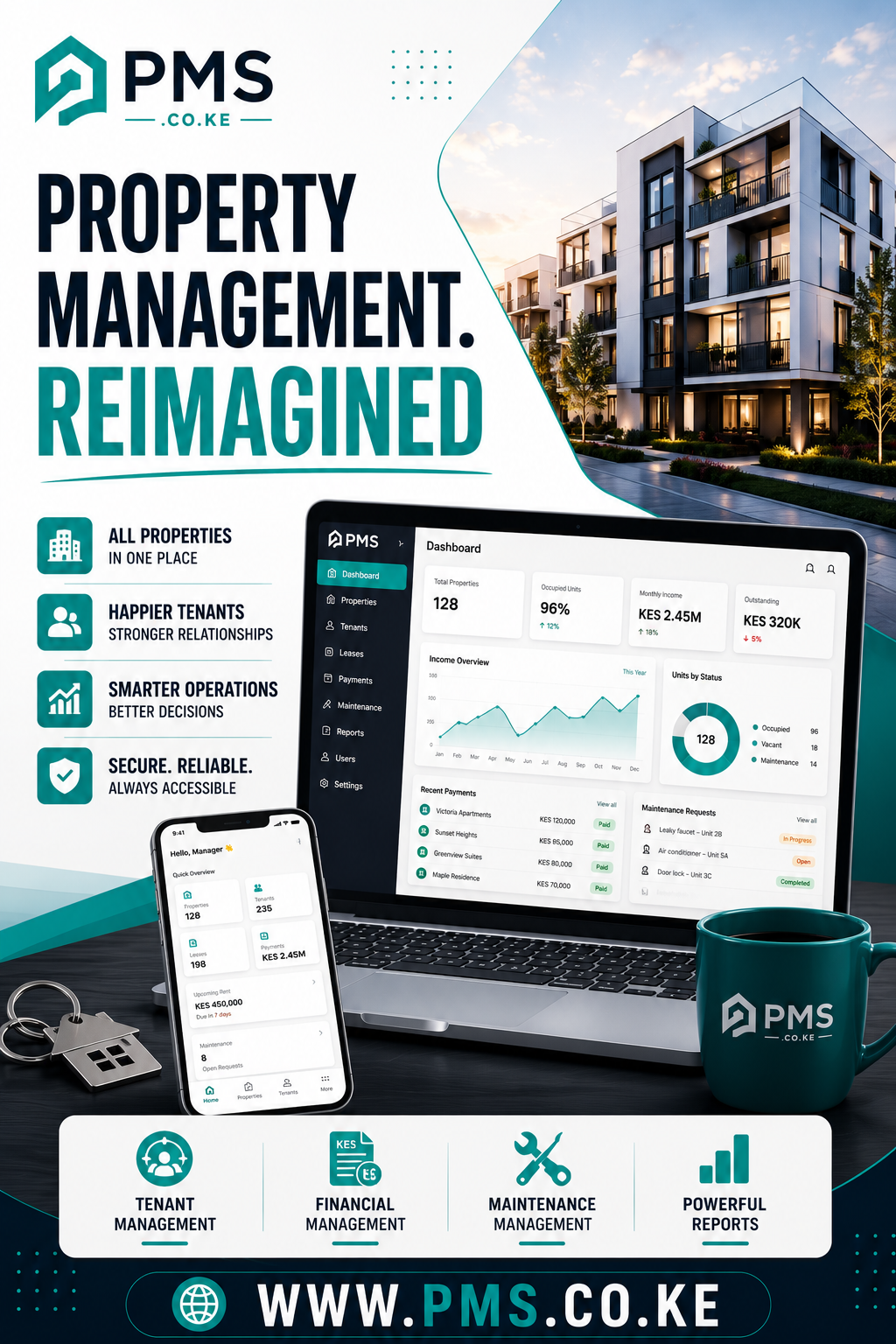
Community Service Charge Management plays a vital role in ensuring that residential estates, gated communities, apartment complexes, and mixed-use developments remain financially sustainable and well maintained. Service charges fund essential community services such as security, landscaping, waste collection, street lighting, cleaning, water systems, road maintenance, common area repairs, and estate administration. Without an effective management process, estates can struggle with delayed payments, inaccurate financial records, poor maintenance standards, and dissatisfied residents.
Many estate management companies still rely on spreadsheets, handwritten invoices, paper receipts, and manual accounting systems to administer service charges. While these methods may work for small communities, they become increasingly difficult as estates grow. Missed invoices, delayed reconciliations, inconsistent billing, and limited financial visibility often lead to cash flow problems and operational inefficiencies.
A modern Community Service Charge Management solution centralizes every financial activity related to estate operations. Managers can automate billing, monitor collections, reconcile payments, generate financial reports, communicate with residents, and track outstanding balances from one integrated platform. This not only improves operational efficiency but also promotes transparency and accountability between estate management and residents.
Across Kenya, rapid urban development has led to an increase in gated communities, apartment developments, and managed estates. Property developers, homeowners’ associations, and estate management companies are increasingly adopting digital solutions to streamline Community Service Charge Management, improve collection rates, and deliver better services to residents.
Table of Contents
- Understanding Service Charge Management
- Why Digital Financial Management Matters
- Key Features of Modern Service Charge Systems
- Common Community Billing Challenges
- Industries That Benefit
- How Community Service Charge Management Works
- Choosing the Right Solution
Understanding Service Charge Management
Managing community finances involves far more than issuing monthly invoices. Estate managers must calculate service charges, account for utility costs, monitor maintenance expenses, reconcile payments, prepare financial statements, manage budgets, and ensure that every resident contributes fairly toward shared community services.
A Community Service Charge Management platform provides a centralized system where every financial transaction is securely recorded and monitored. Managers can maintain accurate resident accounts, automate recurring invoices, monitor outstanding balances, and generate real-time financial reports without relying on manual calculations.
The platform also improves communication by allowing residents to receive invoices electronically, access payment histories, and obtain digital receipts. This transparency strengthens trust while reducing billing disputes.
Whether managing a small apartment block or a large gated community with thousands of residents, centralized financial management simplifies operations and improves accountability.
Why Digital Financial Management Matters
Manual service charge administration often results in unnecessary delays, accounting errors, and increased administrative costs.
A Community Service Charge Management solution automates repetitive financial processes while providing complete visibility into estate finances. Instead of preparing invoices manually or tracking payments through spreadsheets, estate managers can automate billing cycles, receive payment notifications, reconcile transactions, and generate financial reports instantly.
Digital financial management also supports better communication between estate management and residents by providing accurate account statements, payment confirmations, and transparent billing records.
For estate management companies overseeing multiple developments across Kenya, centralized financial administration reduces workload while improving operational consistency.
Key Features of Modern Community Service Charge Management Systems
An effective Community Service Charge Management platform combines automation, financial control, and reporting into one comprehensive solution.
Automated Service Charge Billing
Generate recurring invoices automatically according to configured billing schedules and community policies.
Payment Collection Integration
Support M-Pesa, bank transfers, online payment gateways, debit cards, and other digital payment methods.
Automated Payment Reconciliation
Match incoming payments to resident accounts automatically, reducing manual accounting work.
Resident Financial Accounts
Maintain complete histories of invoices, receipts, balances, penalties, credits, and payment records for every household.
Payment Reminder Automation
Send SMS and email reminders before due dates and automatically follow up on overdue accounts.
Financial Reporting
Generate reports covering collection performance, outstanding balances, budgets, operational expenses, cash flow, and audit requirements.
Multi-Community Administration
Manage multiple estates, apartment complexes, and gated communities from one centralized dashboard.
Audit Trail
Maintain detailed records of every financial transaction for transparency and accountability.
Common Community Billing Challenges
Estate managers frequently face financial challenges that affect service delivery.
Manual invoice preparation often leads to billing delays and calculation errors.
Tracking payments through multiple systems makes reconciliation difficult and increases the risk of inaccurate financial records.
Following up on overdue service charges consumes significant administrative time.
Paper receipts and fragmented accounting systems complicate financial audits and reporting.
A Community Service Charge Management solution addresses these challenges by automating financial workflows while maintaining complete transparency and accountability.
The result is improved collection efficiency, reduced administrative work, stronger financial control, and higher resident satisfaction.
Industries That Benefit
A Community Service Charge Management solution supports organizations responsible for managing shared community finances.
Residential Estates
Estate managers automate service charge billing, payment tracking, and financial reporting for homeowners and tenants.
Gated Communities
Homeowners’ associations streamline recurring community contributions and improve financial accountability.
Apartment Complexes
Apartment administrators manage service charges, utilities, maintenance fees, and shared facility costs efficiently.
Mixed-Use Developments
Managers oversee financial operations for residential, commercial, and retail units from one integrated platform.
Retirement Communities
Community administrators automate recurring resident contributions while maintaining accurate financial records.
Property Management Companies
Professional management firms oversee multiple communities while maintaining centralized financial administration.
How Community Service Charge Management Works
A Community Service Charge Management platform begins by creating financial profiles for every resident or property unit.
Managers configure billing schedules based on service charge policies, utility costs, maintenance levies, parking fees, or other recurring community expenses.
The system automatically generates invoices according to the defined schedule.
Residents receive invoices electronically and can make payments using M-Pesa, bank transfers, or other integrated payment methods.
Incoming payments are reconciled automatically, receipts are generated instantly, and resident balances are updated in real time.
Interactive dashboards display collection performance, outstanding balances, budget utilization, operational expenses, and revenue trends, allowing management committees to monitor community finances effectively.
Choosing the Right Solution
Selecting the right Community Service Charge Management platform requires evaluating automation capabilities, financial reporting, payment integration, scalability, security, and ease of use.
The ideal solution should support automated billing, resident account management, M-Pesa integration, payment reconciliation, financial reporting, document management, audit trails, and multi-estate administration.
For organizations operating throughout Kenya, compatibility with local payment systems and estate management workflows is particularly important.
Solutions such as EstateAdmin combine Community Service Charge Management with resident management, automated billing, maintenance coordination, visitor management, financial reporting, communication tools, committee dashboards, and operational analytics. This enables estate managers to oversee every aspect of community administration from one integrated platform.
Benefits for Different Stakeholders
An effective Community Service Charge Management solution creates value for everyone involved in running a residential estate or managed community. Estate owners, management companies, finance teams, homeowners’ associations, maintenance staff, and residents all benefit from improved financial transparency, faster billing processes, and more efficient community administration.
Estate Owners and Property Developers
Estate owners need accurate financial information to ensure their communities remain financially sustainable and well maintained. A Community Service Charge Management platform provides real-time dashboards showing collection rates, outstanding balances, operational expenses, maintenance costs, and overall financial performance.
Instead of waiting for monthly financial summaries or reviewing multiple spreadsheets, owners can instantly monitor the health of one or several communities. They can identify trends in payment collections, evaluate maintenance budgets, review cash flow, and make informed investment decisions.
For developers managing estates across Nairobi, Kiambu, Mombasa, Kisumu, Nakuru, Eldoret, and other counties in Kenya, centralized reporting simplifies portfolio oversight while supporting long-term growth.
Estate Managers
Managing community finances manually requires considerable administrative effort.
A Community Service Charge Management platform automates recurring billing, payment tracking, reconciliation, resident account updates, and financial reporting. Estate managers can monitor overdue accounts, issue invoices, generate receipts, review collection performance, and prepare committee reports from a single dashboard.
By eliminating repetitive manual work, managers can dedicate more time to improving estate operations, responding to resident concerns, coordinating maintenance activities, and enhancing service delivery.
Finance Teams
Finance departments require reliable information to maintain healthy cash flow and accurate financial records.
A Community Service Charge Management solution enables finance teams to automate billing cycles, reconcile payments, monitor outstanding balances, prepare financial reports, and maintain complete audit trails.
Finance teams can monitor:
- Monthly service charge collections
- Outstanding resident balances
- Operational expenses
- Maintenance budgets
- Cash flow
- Revenue trends
- Financial forecasts
- Budget performance
- Payment reconciliation
- Historical financial records
With automated reporting and centralized accounting, finance professionals spend less time performing manual calculations and more time analyzing financial performance.
Maintenance Teams
Community maintenance depends on timely access to service charge revenue.
A Community Service Charge Management platform provides maintenance teams and estate managers with accurate financial information that supports maintenance planning and budget allocation.
Managers can prioritize repairs, schedule preventive maintenance, monitor maintenance costs, and ensure that essential estate services continue operating without unnecessary delays.
Better coordination between finance and maintenance departments improves operational efficiency while protecting community assets.
Residents
Residents benefit from greater convenience, transparency, and improved communication.
A Community Service Charge Management system enables residents to receive digital invoices, payment reminders, electronic receipts, and up-to-date account statements.
Integrated M-Pesa payment options make it easier for residents to pay service charges securely and conveniently from anywhere.
Transparent billing processes reduce misunderstandings while strengthening trust between residents and estate management.
Improving Efficiency Through Automation
Automation has transformed the administration of residential communities.
A Community Service Charge Management solution automates a wide range of financial and administrative activities, including:
- Monthly invoice generation
- Service charge calculations
- M-Pesa payment processing
- Automatic payment reconciliation
- Digital receipt generation
- Resident payment reminders
- Penalty calculations
- Financial reporting
- Budget tracking
- Audit trail management
These automated workflows eliminate repetitive manual processes while improving consistency and reducing administrative costs.
Estate managers no longer need to prepare invoices individually or manually update payment records after every transaction. The platform performs these tasks automatically, allowing management teams to focus on strategic community development.
Automation also reduces billing errors, improves collection rates, and supports more efficient financial management.
Improving Financial Visibility
Accurate financial information enables better management decisions.
A Community Service Charge Management platform provides interactive dashboards displaying real-time financial performance across the entire community.
Management teams can monitor:
- Collection efficiency
- Outstanding balances
- Monthly revenue
- Cash flow
- Maintenance expenditure
- Budget utilization
- Payment history
- Utility cost trends
- Financial performance
- Community operating costs
These insights help estate managers identify collection challenges, allocate resources effectively, optimize budgets, and maintain the financial stability of the community.
Rather than relying on outdated reports, decision-makers have immediate access to current financial information.
Compliance, Security and Risk Management
Managing resident financial information requires strong security and governance controls.
A modern Community Service Charge Management solution incorporates advanced security features including:
- Role-based user permissions
- Secure authentication
- Encrypted financial records
- Automated backups
- Audit trails
- Activity monitoring
- Secure payment processing
- Digital document storage
- Disaster recovery capabilities
- Permission-based financial controls
These features protect sensitive financial data while maintaining complete accountability for every transaction.
Comprehensive audit trails simplify financial reviews, support internal governance, and strengthen transparency for homeowners’ associations and management committees.
For estate management companies operating throughout Kenya, secure digital financial management also improves operational continuity and reduces organizational risk.
Why EstateAdmin is the Ideal Solution
Managing modern residential communities requires more than standalone accounting software. Estate managers need one integrated platform capable of handling every operational and financial process.
EstateAdmin combines Community Service Charge Management with resident management, automated service charge billing, M-Pesa integration, maintenance management, visitor management, financial reporting, committee dashboards, communication tools, contractor management, and comprehensive operational analytics.
Instead of relying on multiple disconnected systems, estate managers can oversee the entire community through one centralized platform.
EstateAdmin supports:
- Residential estates
- Gated communities
- Apartment complexes
- Homeowners’ associations
- Mixed-use developments
- Commercial business parks
- Property developers
- Estate management companies
- Facility management firms
- Community associations
Its scalable architecture enables organizations to manage one estate or multiple communities while maintaining complete financial visibility and operational control.
Future Trends in Community Service Charge Management
The future of estate financial management is increasingly driven by automation, artificial intelligence, and cloud technologies.
Future Community Service Charge Management platforms are expected to include:
- AI-powered payment forecasting
- Predictive cash flow analysis
- Automated debt recovery recommendations
- Cloud-native financial management
- Mobile resident self-service applications
- Smart utility billing integration
- AI-generated financial reports
- Digital budgeting tools
- Business intelligence dashboards
- Automated compliance monitoring
These innovations will improve collection efficiency, strengthen financial planning, enhance resident experiences, and support smarter estate management.
Communities that invest in modern digital platforms today will be better prepared for the future of intelligent estate administration.
Getting Started
Implementing Community Service Charge Management begins with understanding the financial structure and operational needs of the community.
Estate management teams should evaluate:
- Number of residential units
- Existing service charge structure
- Utility billing requirements
- Payment collection methods
- Financial reporting needs
- Resident communication channels
- M-Pesa integration requirements
- Committee reporting requirements
- Maintenance budgeting processes
- Future estate expansion plans
Selecting a scalable platform ensures the software continues supporting the community as it grows.
Successful implementation should include resident data migration, billing configuration, payment gateway integration, staff training, workflow customization, reporting setup, and ongoing performance monitoring.
Organizations that implement the system effectively typically achieve higher collection rates, improved cash flow, stronger financial transparency, reduced administrative costs, and better resident satisfaction.
Conclusion
Community Service Charge Management is a cornerstone of successful estate administration. By automating billing, payment collection, reconciliation, financial reporting, and resident account management, estate managers can improve operational efficiency while maintaining complete financial transparency.
For residential estates, apartment complexes, homeowners’ associations, and property management companies across Kenya, EstateAdmin provides a comprehensive Community Service Charge Management solution that simplifies financial administration, strengthens cash flow, improves resident communication, and supports sustainable community growth.
As residential communities continue embracing digital transformation, investing in a modern service charge management platform positions organizations to deliver efficient, transparent, and future-ready estate management.
Benefits for Different Stakeholders
An effective Community Service Charge Management solution creates value for everyone involved in running a residential estate or managed community. Estate owners, management companies, finance teams, homeowners’ associations, maintenance staff, and residents all benefit from improved financial transparency, faster billing processes, and more efficient community administration.
Estate Owners and Property Developers
Estate owners need accurate financial information to ensure their communities remain financially sustainable and well maintained. A Community Service Charge Management platform provides real-time dashboards showing collection rates, outstanding balances, operational expenses, maintenance costs, and overall financial performance.
Instead of waiting for monthly financial summaries or reviewing multiple spreadsheets, owners can instantly monitor the health of one or several communities. They can identify trends in payment collections, evaluate maintenance budgets, review cash flow, and make informed investment decisions.
For developers managing estates across Nairobi, Kiambu, Mombasa, Kisumu, Nakuru, Eldoret, and other counties in Kenya, centralized reporting simplifies portfolio oversight while supporting long-term growth.
Estate Managers
Managing community finances manually requires considerable administrative effort.
A Community Service Charge Management platform automates recurring billing, payment tracking, reconciliation, resident account updates, and financial reporting. Estate managers can monitor overdue accounts, issue invoices, generate receipts, review collection performance, and prepare committee reports from a single dashboard.
By eliminating repetitive manual work, managers can dedicate more time to improving estate operations, responding to resident concerns, coordinating maintenance activities, and enhancing service delivery.
Finance Teams
Finance departments require reliable information to maintain healthy cash flow and accurate financial records.
A Community Service Charge Management solution enables finance teams to automate billing cycles, reconcile payments, monitor outstanding balances, prepare financial reports, and maintain complete audit trails.
Finance teams can monitor:
- Monthly service charge collections
- Outstanding resident balances
- Operational expenses
- Maintenance budgets
- Cash flow
- Revenue trends
- Financial forecasts
- Budget performance
- Payment reconciliation
- Historical financial records
With automated reporting and centralized accounting, finance professionals spend less time performing manual calculations and more time analyzing financial performance.
Maintenance Teams
Community maintenance depends on timely access to service charge revenue.
A Community Service Charge Management platform provides maintenance teams and estate managers with accurate financial information that supports maintenance planning and budget allocation.
Managers can prioritize repairs, schedule preventive maintenance, monitor maintenance costs, and ensure that essential estate services continue operating without unnecessary delays.
Better coordination between finance and maintenance departments improves operational efficiency while protecting community assets.
Residents
Residents benefit from greater convenience, transparency, and improved communication.
A Community Service Charge Management system enables residents to receive digital invoices, payment reminders, electronic receipts, and up-to-date account statements.
Integrated M-Pesa payment options make it easier for residents to pay service charges securely and conveniently from anywhere.
Transparent billing processes reduce misunderstandings while strengthening trust between residents and estate management.
Improving Efficiency Through Automation
Automation has transformed the administration of residential communities.
A Community Service Charge Management solution automates a wide range of financial and administrative activities, including:
- Monthly invoice generation
- Service charge calculations
- M-Pesa payment processing
- Automatic payment reconciliation
- Digital receipt generation
- Resident payment reminders
- Penalty calculations
- Financial reporting
- Budget tracking
- Audit trail management
These automated workflows eliminate repetitive manual processes while improving consistency and reducing administrative costs.
Estate managers no longer need to prepare invoices individually or manually update payment records after every transaction. The platform performs these tasks automatically, allowing management teams to focus on strategic community development.
Automation also reduces billing errors, improves collection rates, and supports more efficient financial management.
Improving Financial Visibility
Accurate financial information enables better management decisions.
A Community Service Charge Management platform provides interactive dashboards displaying real-time financial performance across the entire community.
Management teams can monitor:
- Collection efficiency
- Outstanding balances
- Monthly revenue
- Cash flow
- Maintenance expenditure
- Budget utilization
- Payment history
- Utility cost trends
- Financial performance
- Community operating costs
These insights help estate managers identify collection challenges, allocate resources effectively, optimize budgets, and maintain the financial stability of the community.
Rather than relying on outdated reports, decision-makers have immediate access to current financial information.
Compliance, Security and Risk Management
Managing resident financial information requires strong security and governance controls.
A modern Community Service Charge Management solution incorporates advanced security features including:
- Role-based user permissions
- Secure authentication
- Encrypted financial records
- Automated backups
- Audit trails
- Activity monitoring
- Secure payment processing
- Digital document storage
- Disaster recovery capabilities
- Permission-based financial controls
These features protect sensitive financial data while maintaining complete accountability for every transaction.
Comprehensive audit trails simplify financial reviews, support internal governance, and strengthen transparency for homeowners’ associations and management committees.
For estate management companies operating throughout Kenya, secure digital financial management also improves operational continuity and reduces organizational risk.
Why EstateAdmin is the Ideal Solution
Managing modern residential communities requires more than standalone accounting software. Estate managers need one integrated platform capable of handling every operational and financial process.
EstateAdmin combines Community Service Charge Management with resident management, automated service charge billing, M-Pesa integration, maintenance management, visitor management, financial reporting, committee dashboards, communication tools, contractor management, and comprehensive operational analytics.
Instead of relying on multiple disconnected systems, estate managers can oversee the entire community through one centralized platform.
EstateAdmin supports:
- Residential estates
- Gated communities
- Apartment complexes
- Homeowners’ associations
- Mixed-use developments
- Commercial business parks
- Property developers
- Estate management companies
- Facility management firms
- Community associations
Its scalable architecture enables organizations to manage one estate or multiple communities while maintaining complete financial visibility and operational control.
Future Trends in Community Service Charge Management
The future of estate financial management is increasingly driven by automation, artificial intelligence, and cloud technologies.
Future Community Service Charge Management platforms are expected to include:
- AI-powered payment forecasting
- Predictive cash flow analysis
- Automated debt recovery recommendations
- Cloud-native financial management
- Mobile resident self-service applications
- Smart utility billing integration
- AI-generated financial reports
- Digital budgeting tools
- Business intelligence dashboards
- Automated compliance monitoring
These innovations will improve collection efficiency, strengthen financial planning, enhance resident experiences, and support smarter estate management.
Communities that invest in modern digital platforms today will be better prepared for the future of intelligent estate administration.
Getting Started
Implementing Community Service Charge Management begins with understanding the financial structure and operational needs of the community.
Estate management teams should evaluate:
- Number of residential units
- Existing service charge structure
- Utility billing requirements
- Payment collection methods
- Financial reporting needs
- Resident communication channels
- M-Pesa integration requirements
- Committee reporting requirements
- Maintenance budgeting processes
- Future estate expansion plans
Selecting a scalable platform ensures the software continues supporting the community as it grows.
Successful implementation should include resident data migration, billing configuration, payment gateway integration, staff training, workflow customization, reporting setup, and ongoing performance monitoring.
Organizations that implement the system effectively typically achieve higher collection rates, improved cash flow, stronger financial transparency, reduced administrative costs, and better resident satisfaction.
Conclusion
Community Service Charge Management is a cornerstone of successful estate administration. By automating billing, payment collection, reconciliation, financial reporting, and resident account management, estate managers can improve operational efficiency while maintaining complete financial transparency.
For residential estates, apartment complexes, homeowners’ associations, and property management companies across Kenya, EstateAdmin provides a comprehensive Community Service Charge Management solution that simplifies financial administration, strengthens cash flow, improves resident communication, and supports sustainable community growth.
As residential communities continue embracing digital transformation, investing in a modern service charge management platform positions organizations to deliver efficient, transparent, and future-ready estate management.
