
Tenant Financial Management System
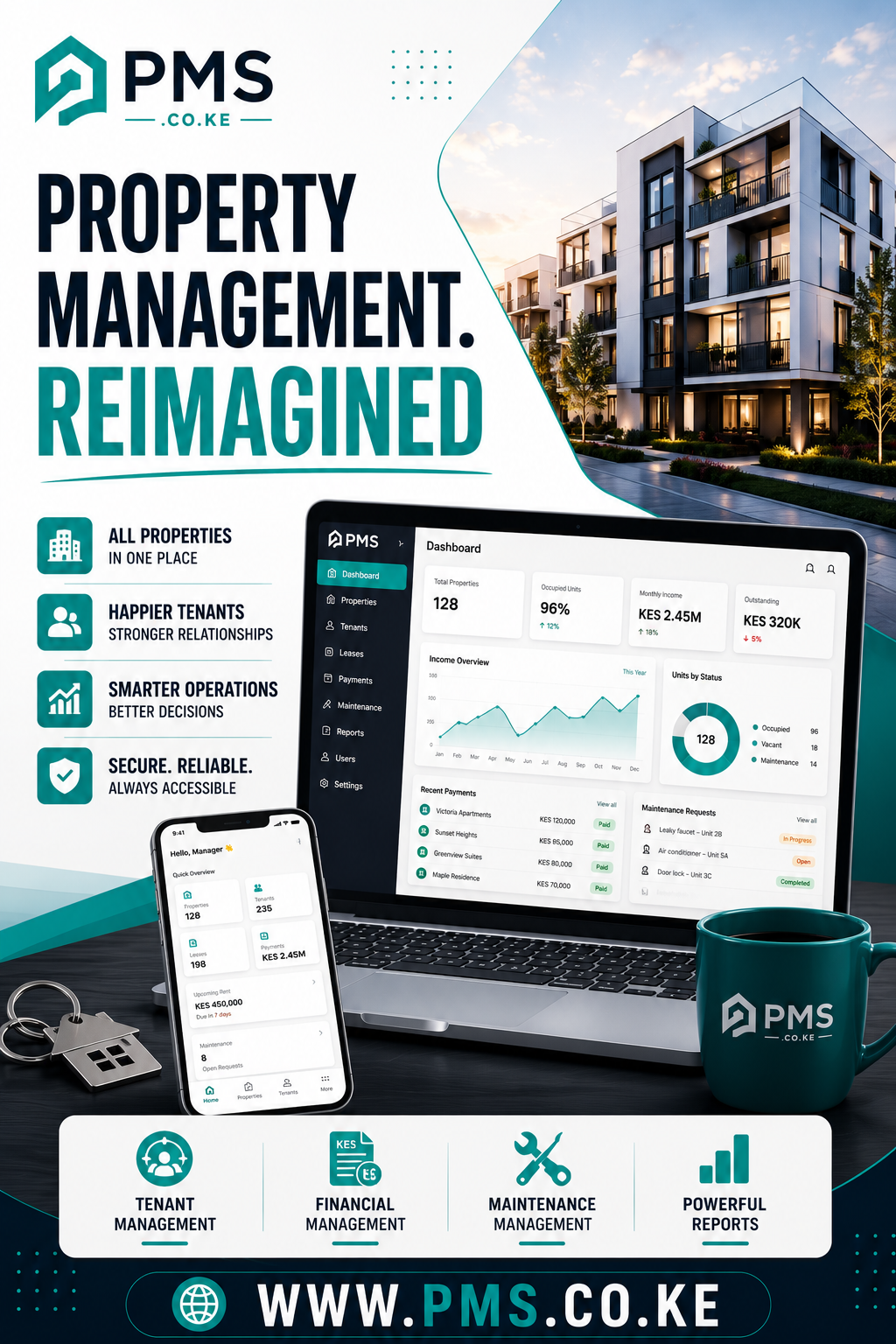
Tenant Financial Management System solutions are transforming how landlords, property managers, real estate companies, housing associations, and commercial property owners manage rental finances. As property portfolios continue to grow, managing tenant payments, rent schedules, security deposits, invoices, penalties, service charges, and financial reporting manually becomes increasingly difficult and prone to costly errors.
Many property managers still depend on spreadsheets, handwritten receipts, paper ledgers, or disconnected accounting systems to manage tenant finances. While these methods may appear manageable for a few rental units, they quickly become inefficient when handling hundreds of tenants across multiple residential or commercial properties. Missed payments, inaccurate balances, delayed reconciliations, and poor financial visibility can negatively affect cash flow and tenant relationships.
A modern Tenant Financial Management System centralizes every financial process related to tenant management. From automated rent billing and payment tracking to deposit management, service charge administration, financial reporting, arrears monitoring, and reconciliation, every financial transaction is recorded and monitored in one secure platform.
Across Kenya, the property management industry is embracing digital transformation as landlords seek better control over rental income and financial operations. Whether managing apartments in Nairobi, commercial buildings in Mombasa, student accommodation in Eldoret, or mixed-use developments in Kisumu, implementing a Tenant Financial Management System enables property managers to improve financial accuracy, strengthen accountability, and maximize revenue collection.
Table of Contents
- Understanding Tenant Financial Management
- Why Digital Financial Management Matters
- Key Features of Modern Systems
- Common Financial Management Challenges
- Industries That Benefit
- How the System Works
- Choosing the Right Solution
Understanding Tenant Financial Management
Managing rental finances involves much more than collecting monthly rent. Property managers must generate invoices, monitor tenant balances, record payments, manage deposits, calculate penalties, reconcile transactions, produce financial statements, and maintain accurate accounting records.
A Tenant Financial Management System provides a centralized environment where every financial activity related to a tenant is securely recorded and easily accessible. Instead of manually searching through payment records or spreadsheets, property managers can instantly view each tenant’s complete financial history.
The system tracks invoices, receipts, outstanding balances, payment schedules, service charges, rent adjustments, deposits, refunds, and financial reports automatically. This improves operational efficiency while reducing administrative errors.
Whether managing a few apartments or thousands of rental units across Kenya, centralized financial management simplifies property administration and strengthens financial control.
Why Digital Financial Management Matters
As rental portfolios expand, manual financial processes become increasingly difficult to manage.
A Tenant Financial Management System automates repetitive accounting tasks while improving financial visibility and accuracy. Instead of manually issuing invoices or tracking payments, property managers can automate billing cycles, receive payment notifications, reconcile transactions, and generate financial reports with minimal effort.
Digital financial management also improves communication between tenants and property managers by providing accurate account statements, payment confirmations, and outstanding balance information.
For organizations managing multiple residential or commercial developments throughout Kenya, centralized financial administration reduces workload while improving operational efficiency.
Key Features of Modern Tenant Financial Management Systems
A comprehensive Tenant Financial Management System includes powerful financial management capabilities that simplify rental operations.
Automated Rent Billing
Generate recurring rent invoices automatically according to lease agreements and billing schedules.
Payment Tracking
Monitor rent payments, outstanding balances, partial payments, overpayments, and payment history in real time.
Security Deposit Management
Record deposits, track deposit balances, manage refunds, and monitor deposit utilization throughout the tenancy period.
Service Charge Administration
Manage service charges, utilities, maintenance fees, parking charges, and other recurring tenant expenses.
Financial Reporting
Generate income statements, rent collection reports, arrears reports, cash flow summaries, payment trends, and portfolio financial analysis.
Automated Payment Reminders
Send payment reminders to tenants before due dates and notify them about overdue balances automatically.
Multi-Property Financial Management
Manage financial activities across residential, commercial, industrial, and mixed-use properties from one dashboard.
Payment Integration
Integrate with M-Pesa, bank transfers, online payment gateways, and other digital payment methods to simplify rent collection.
Common Financial Management Challenges
Property managers frequently face financial challenges that affect profitability and operational efficiency.
Late payments, manual reconciliations, inaccurate financial records, missed invoices, untracked deposits, and fragmented accounting systems create unnecessary administrative burdens.
Without centralized financial visibility, decision-making becomes slower while financial risks increase.
A Tenant Financial Management System addresses these challenges by automating billing, payment monitoring, reconciliation, reporting, and tenant financial communication.
Automation improves accuracy while reducing manual workload and supporting stronger financial control.
Industries That Benefit
A Tenant Financial Management System supports organizations managing rental finances across various sectors.
Residential Property Management
Apartment complexes, gated communities, and residential estates automate rent billing, payment tracking, and financial reporting.
Commercial Real Estate
Office buildings, retail centres, and shopping malls manage commercial lease payments and service charges efficiently.
Mixed-Use Developments
Managers oversee residential, retail, hospitality, and office financial operations through one integrated platform.
Student Accommodation
Universities and private accommodation providers manage recurring payments, deposits, and billing schedules effectively.
Industrial Properties
Warehouse operators and industrial property owners monitor commercial tenant payments and financial performance.
Property Investment Companies
Real estate investors gain centralized visibility into rental income, portfolio performance, and cash flow across multiple developments.
How the System Works
A Tenant Financial Management System integrates financial information from tenants, leases, payment channels, accounting records, and property operations into one centralized platform.
When a lease is created, the system automatically generates billing schedules based on rental agreements. Payments received through M-Pesa, bank transfers, or other payment methods are automatically matched to tenant accounts.
The platform continuously updates balances, generates receipts, records financial transactions, and produces reports showing rent collection performance, outstanding balances, and revenue trends.
Property managers receive notifications regarding overdue accounts, payment confirmations, expiring leases, and financial exceptions, allowing them to respond proactively.
Centralized dashboards provide complete financial visibility while supporting informed decision-making.
Choosing the Right Solution
Selecting the right Tenant Financial Management System requires evaluating functionality, scalability, automation capabilities, reporting features, accounting integration, payment options, and security.
The ideal platform should support automated billing, rent collection, financial reporting, service charge management, tenant account management, M-Pesa integration, bank reconciliation, and comprehensive audit trails.
For property managers operating across Kenya, compatibility with local payment methods, accounting workflows, and property management processes is especially important.
Solutions such as PMS (Property Management System) combine Tenant Financial Management System capabilities with tenant management, lease administration, automated rent collection, maintenance management, landlord portals, occupancy monitoring, financial reporting, and property analytics. This enables landlords and property managers to manage their complete rental operations through one centralized platform.
Benefits for Different Stakeholders
A Tenant Financial Management System creates significant value for everyone involved in managing rental properties. From landlords and investors to finance teams, property managers, maintenance personnel, and tenants, centralized financial management improves transparency, accountability, and operational efficiency.
Property Owners and Landlords
Property owners depend on accurate financial information to evaluate the performance of their investments. A Tenant Financial Management System provides real-time visibility into rental income, outstanding balances, security deposits, service charges, occupancy levels, and overall portfolio performance.
Instead of waiting for manual reports or reviewing spreadsheets, landlords can instantly access financial dashboards showing rent collection trends, overdue accounts, monthly income, and property profitability.
For investors managing residential apartments, commercial buildings, or mixed-use developments across Kenya, this visibility supports better budgeting, investment planning, and long-term portfolio growth.
Property Managers
Managing tenant finances manually often results in repetitive administrative work and increased risk of errors.
A Tenant Financial Management System simplifies billing, payment tracking, reconciliation, and reporting by automating many routine financial processes. Property managers can quickly identify overdue payments, monitor tenant balances, issue invoices, process receipts, and generate financial statements from one centralized platform.
This allows managers to spend less time on manual accounting tasks and more time improving tenant services, property maintenance, and operational performance.
Finance Teams
Finance departments require accurate financial records to maintain healthy cash flow and ensure proper accounting practices.
A Tenant Financial Management System provides finance teams with automated billing, payment reconciliation, financial reporting, and audit-ready transaction records.
The system helps accountants monitor:
- Rental income
- Outstanding balances
- Service charge collections
- Security deposits
- Payment trends
- Monthly revenue
- Financial forecasts
- Cash flow performance
- Property profitability
- Tenant account history
With reliable financial information readily available, finance teams can make faster decisions while reducing reconciliation errors and administrative workload.
Maintenance Teams
Although maintenance staff primarily focus on repairs and property upkeep, financial information also supports maintenance planning.
A Tenant Financial Management System helps maintenance teams coordinate repair schedules by identifying occupied units, vacant properties, pending tenant move-outs, and approved maintenance budgets.
Improved coordination between finance, maintenance, and property management departments reduces delays while supporting better resource allocation.
Tenants
Tenants also benefit from improved financial management.
A Tenant Financial Management System provides accurate billing, payment confirmations, digital receipts, account statements, and transparent records of financial transactions.
Automated payment reminders help tenants avoid missed due dates, while integrated M-Pesa payment options make rent payments more convenient.
Greater transparency builds trust between tenants and property managers, improving long-term relationships and increasing tenant satisfaction.
Improving Efficiency Through Automation
Automation is transforming rental financial management by eliminating repetitive manual processes.
A Tenant Financial Management System automates numerous financial workflows, including:
- Rent invoice generation
- Recurring billing
- Payment reminders
- M-Pesa payment processing
- Receipt generation
- Bank reconciliation
- Arrears monitoring
- Deposit tracking
- Financial reporting
- Account statement preparation
These automated processes reduce administrative effort while improving financial accuracy.
Property managers no longer need to manually prepare invoices every month or update payment records individually. Instead, the system continuously processes financial transactions while maintaining complete audit trails.
Automation also minimizes human error and improves operational consistency across all managed properties.
Improving Financial Visibility
Real-time financial visibility enables better business decisions.
A Tenant Financial Management System provides comprehensive dashboards showing key financial performance indicators across the property portfolio.
Organizations can monitor:
- Monthly rental income
- Collection efficiency
- Outstanding rent
- Occupancy revenue
- Service charge collections
- Deposit balances
- Cash flow
- Revenue by property
- Payment history
- Financial performance trends
These insights allow property owners and managers to identify opportunities for improving revenue collection, reducing arrears, and strengthening overall financial performance.
Instead of relying on historical reports, management teams access current financial information whenever decisions need to be made.
Compliance, Security and Risk Management
Managing tenant finances requires strong security controls and accurate financial recordkeeping.
A reliable Tenant Financial Management System includes advanced security capabilities such as:
- Role-based user permissions
- Multi-user access management
- Encrypted financial records
- Automated backups
- Secure payment processing
- Audit trails
- Transaction history
- Digital receipt management
- Activity monitoring
- Disaster recovery tools
These features protect sensitive tenant information while ensuring financial records remain accurate and accessible.
Organizations also benefit from improved compliance through standardized financial processes, transparent reporting, and comprehensive documentation.
For property management companies operating throughout Kenya, secure financial management supports both operational continuity and regulatory readiness.
Why PMS is the Ideal Solution
Modern property management requires an integrated solution that combines financial management with every other aspect of rental operations.
PMS (Property Management System) combines Tenant Financial Management System capabilities with tenant management, lease administration, automated rent collection, M-Pesa integration, maintenance management, occupancy monitoring, financial reporting, landlord dashboards, and comprehensive property analytics.
Rather than relying on multiple disconnected systems, property managers can oversee every financial and operational process through one centralized platform.
PMS is ideal for:
- Property management companies
- Residential apartment managers
- Commercial property owners
- Real estate investment firms
- Mixed-use developments
- Shopping centres
- Student accommodation providers
- Industrial property managers
- Housing associations
- Landlords managing multiple properties
Its scalable design enables organizations to grow their portfolios while maintaining complete financial visibility.
Future Trends in Tenant Financial Management
Digital transformation continues reshaping financial operations within the property management industry.
Future Tenant Financial Management System platforms are expected to incorporate:
- Artificial intelligence for payment forecasting
- Predictive rent collection analytics
- Automated financial risk assessment
- Cloud-native accounting platforms
- Smart tenant self-service portals
- Digital contract payments
- Mobile financial management
- Advanced business intelligence dashboards
- Automated tax reporting
- AI-powered financial recommendations
Organizations adopting these technologies will improve operational efficiency, reduce financial risk, strengthen tenant relationships, and maximize long-term profitability.
Getting Started
Implementing a Tenant Financial Management System begins with evaluating the organization’s financial workflows and property portfolio.
Property managers should assess:
- Number of managed properties
- Active tenant accounts
- Existing billing processes
- Payment methods
- Financial reporting requirements
- Accounting integration needs
- M-Pesa payment workflows
- Future portfolio expansion plans
Choosing a scalable platform ensures that financial operations continue supporting business growth without requiring major system changes.
Successful implementation should include financial data migration, staff training, payment gateway integration, workflow customization, reporting configuration, and continuous performance monitoring.
Organizations that invest in proper implementation typically experience faster rent collection, improved cash flow, stronger financial control, and greater operational efficiency.
Conclusion
A Tenant Financial Management System is an essential component of modern property management. By automating billing, payment tracking, reconciliation, financial reporting, and tenant account management, organizations reduce administrative workloads while improving financial accuracy and transparency.
For landlords, property managers, and real estate investors across Kenya, implementing PMS (Property Management System) provides a comprehensive Tenant Financial Management System that simplifies rental finance, improves operational efficiency, strengthens tenant relationships, and supports sustainable portfolio growth.
As the property industry continues embracing digital transformation, organizations investing in intelligent financial management solutions today will be better positioned to remain competitive, improve cash flow, and deliver exceptional property management services.
Benefits for Different Stakeholders
A Tenant Financial Management System creates significant value for everyone involved in managing rental properties. From landlords and investors to finance teams, property managers, maintenance personnel, and tenants, centralized financial management improves transparency, accountability, and operational efficiency.
Property Owners and Landlords
Property owners depend on accurate financial information to evaluate the performance of their investments. A Tenant Financial Management System provides real-time visibility into rental income, outstanding balances, security deposits, service charges, occupancy levels, and overall portfolio performance.
Instead of waiting for manual reports or reviewing spreadsheets, landlords can instantly access financial dashboards showing rent collection trends, overdue accounts, monthly income, and property profitability.
For investors managing residential apartments, commercial buildings, or mixed-use developments across Kenya, this visibility supports better budgeting, investment planning, and long-term portfolio growth.
Property Managers
Managing tenant finances manually often results in repetitive administrative work and increased risk of errors.
A Tenant Financial Management System simplifies billing, payment tracking, reconciliation, and reporting by automating many routine financial processes. Property managers can quickly identify overdue payments, monitor tenant balances, issue invoices, process receipts, and generate financial statements from one centralized platform.
This allows managers to spend less time on manual accounting tasks and more time improving tenant services, property maintenance, and operational performance.
Finance Teams
Finance departments require accurate financial records to maintain healthy cash flow and ensure proper accounting practices.
A Tenant Financial Management System provides finance teams with automated billing, payment reconciliation, financial reporting, and audit-ready transaction records.
The system helps accountants monitor:
- Rental income
- Outstanding balances
- Service charge collections
- Security deposits
- Payment trends
- Monthly revenue
- Financial forecasts
- Cash flow performance
- Property profitability
- Tenant account history
With reliable financial information readily available, finance teams can make faster decisions while reducing reconciliation errors and administrative workload.
Maintenance Teams
Although maintenance staff primarily focus on repairs and property upkeep, financial information also supports maintenance planning.
A Tenant Financial Management System helps maintenance teams coordinate repair schedules by identifying occupied units, vacant properties, pending tenant move-outs, and approved maintenance budgets.
Improved coordination between finance, maintenance, and property management departments reduces delays while supporting better resource allocation.
Tenants
Tenants also benefit from improved financial management.
A Tenant Financial Management System provides accurate billing, payment confirmations, digital receipts, account statements, and transparent records of financial transactions.
Automated payment reminders help tenants avoid missed due dates, while integrated M-Pesa payment options make rent payments more convenient.
Greater transparency builds trust between tenants and property managers, improving long-term relationships and increasing tenant satisfaction.
Improving Efficiency Through Automation
Automation is transforming rental financial management by eliminating repetitive manual processes.
A Tenant Financial Management System automates numerous financial workflows, including:
- Rent invoice generation
- Recurring billing
- Payment reminders
- M-Pesa payment processing
- Receipt generation
- Bank reconciliation
- Arrears monitoring
- Deposit tracking
- Financial reporting
- Account statement preparation
These automated processes reduce administrative effort while improving financial accuracy.
Property managers no longer need to manually prepare invoices every month or update payment records individually. Instead, the system continuously processes financial transactions while maintaining complete audit trails.
Automation also minimizes human error and improves operational consistency across all managed properties.
Improving Financial Visibility
Real-time financial visibility enables better business decisions.
A Tenant Financial Management System provides comprehensive dashboards showing key financial performance indicators across the property portfolio.
Organizations can monitor:
- Monthly rental income
- Collection efficiency
- Outstanding rent
- Occupancy revenue
- Service charge collections
- Deposit balances
- Cash flow
- Revenue by property
- Payment history
- Financial performance trends
These insights allow property owners and managers to identify opportunities for improving revenue collection, reducing arrears, and strengthening overall financial performance.
Instead of relying on historical reports, management teams access current financial information whenever decisions need to be made.
Compliance, Security and Risk Management
Managing tenant finances requires strong security controls and accurate financial recordkeeping.
A reliable Tenant Financial Management System includes advanced security capabilities such as:
- Role-based user permissions
- Multi-user access management
- Encrypted financial records
- Automated backups
- Secure payment processing
- Audit trails
- Transaction history
- Digital receipt management
- Activity monitoring
- Disaster recovery tools
These features protect sensitive tenant information while ensuring financial records remain accurate and accessible.
Organizations also benefit from improved compliance through standardized financial processes, transparent reporting, and comprehensive documentation.
For property management companies operating throughout Kenya, secure financial management supports both operational continuity and regulatory readiness.
Why PMS is the Ideal Solution
Modern property management requires an integrated solution that combines financial management with every other aspect of rental operations.
PMS (Property Management System) combines Tenant Financial Management System capabilities with tenant management, lease administration, automated rent collection, M-Pesa integration, maintenance management, occupancy monitoring, financial reporting, landlord dashboards, and comprehensive property analytics.
Rather than relying on multiple disconnected systems, property managers can oversee every financial and operational process through one centralized platform.
PMS is ideal for:
- Property management companies
- Residential apartment managers
- Commercial property owners
- Real estate investment firms
- Mixed-use developments
- Shopping centres
- Student accommodation providers
- Industrial property managers
- Housing associations
- Landlords managing multiple properties
Its scalable design enables organizations to grow their portfolios while maintaining complete financial visibility.
Future Trends in Tenant Financial Management
Digital transformation continues reshaping financial operations within the property management industry.
Future Tenant Financial Management System platforms are expected to incorporate:
- Artificial intelligence for payment forecasting
- Predictive rent collection analytics
- Automated financial risk assessment
- Cloud-native accounting platforms
- Smart tenant self-service portals
- Digital contract payments
- Mobile financial management
- Advanced business intelligence dashboards
- Automated tax reporting
- AI-powered financial recommendations
Organizations adopting these technologies will improve operational efficiency, reduce financial risk, strengthen tenant relationships, and maximize long-term profitability.
Getting Started
Implementing a Tenant Financial Management System begins with evaluating the organization’s financial workflows and property portfolio.
Property managers should assess:
- Number of managed properties
- Active tenant accounts
- Existing billing processes
- Payment methods
- Financial reporting requirements
- Accounting integration needs
- M-Pesa payment workflows
- Future portfolio expansion plans
Choosing a scalable platform ensures that financial operations continue supporting business growth without requiring major system changes.
Successful implementation should include financial data migration, staff training, payment gateway integration, workflow customization, reporting configuration, and continuous performance monitoring.
Organizations that invest in proper implementation typically experience faster rent collection, improved cash flow, stronger financial control, and greater operational efficiency.
Conclusion
A Tenant Financial Management System is an essential component of modern property management. By automating billing, payment tracking, reconciliation, financial reporting, and tenant account management, organizations reduce administrative workloads while improving financial accuracy and transparency.
For landlords, property managers, and real estate investors across Kenya, implementing PMS (Property Management System) provides a comprehensive Tenant Financial Management System that simplifies rental finance, improves operational efficiency, strengthens tenant relationships, and supports sustainable portfolio growth.
As the property industry continues embracing digital transformation, organizations investing in intelligent financial management solutions today will be better positioned to remain competitive, improve cash flow, and deliver exceptional property management services.
